
Why your house is so dusty in Nebraska
Dust that keeps coming back usually means your duct system is spreading it, not just holding still air. Every time your furnace or AC kicks on, it pulls air through the ducts and pushes it back into every room, and any dust sitting inside those ducts rides along with it. In Nebraska, that cycle runs hard for months at a stretch, summers sticky enough that the AC barely shuts off, winters cold enough that the gas furnace runs just as long. Each run moves more dust out of the ducts and onto your furniture and floors before the filter ever gets a chance to catch it. A filter only cleans the air passing straight through it. It does nothing for the dust already loose inside the metal, and that supply builds up over years of regular use. Cleaning the ducts themselves is what gets at that source, rather than chasing the dust around the house after it's already out.
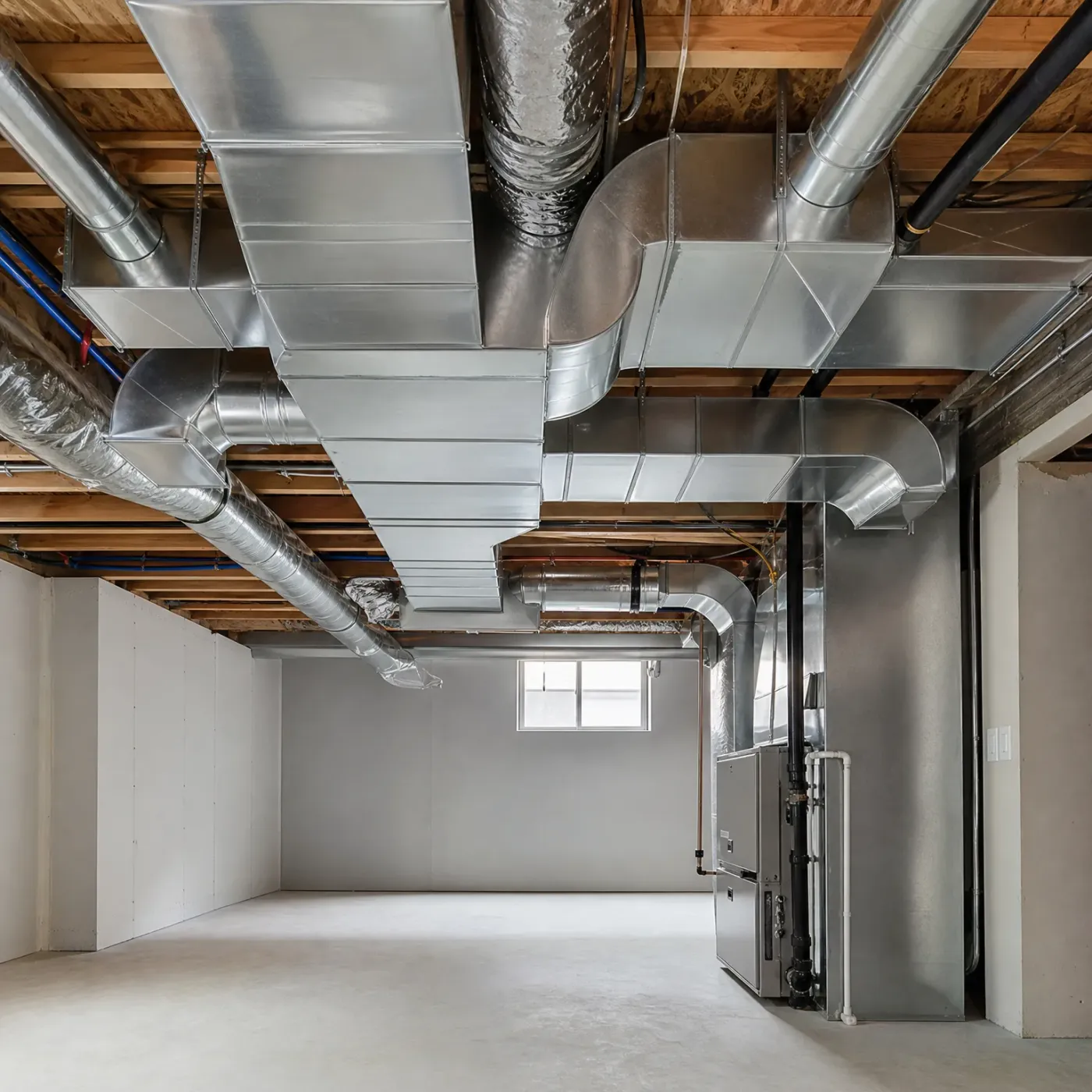
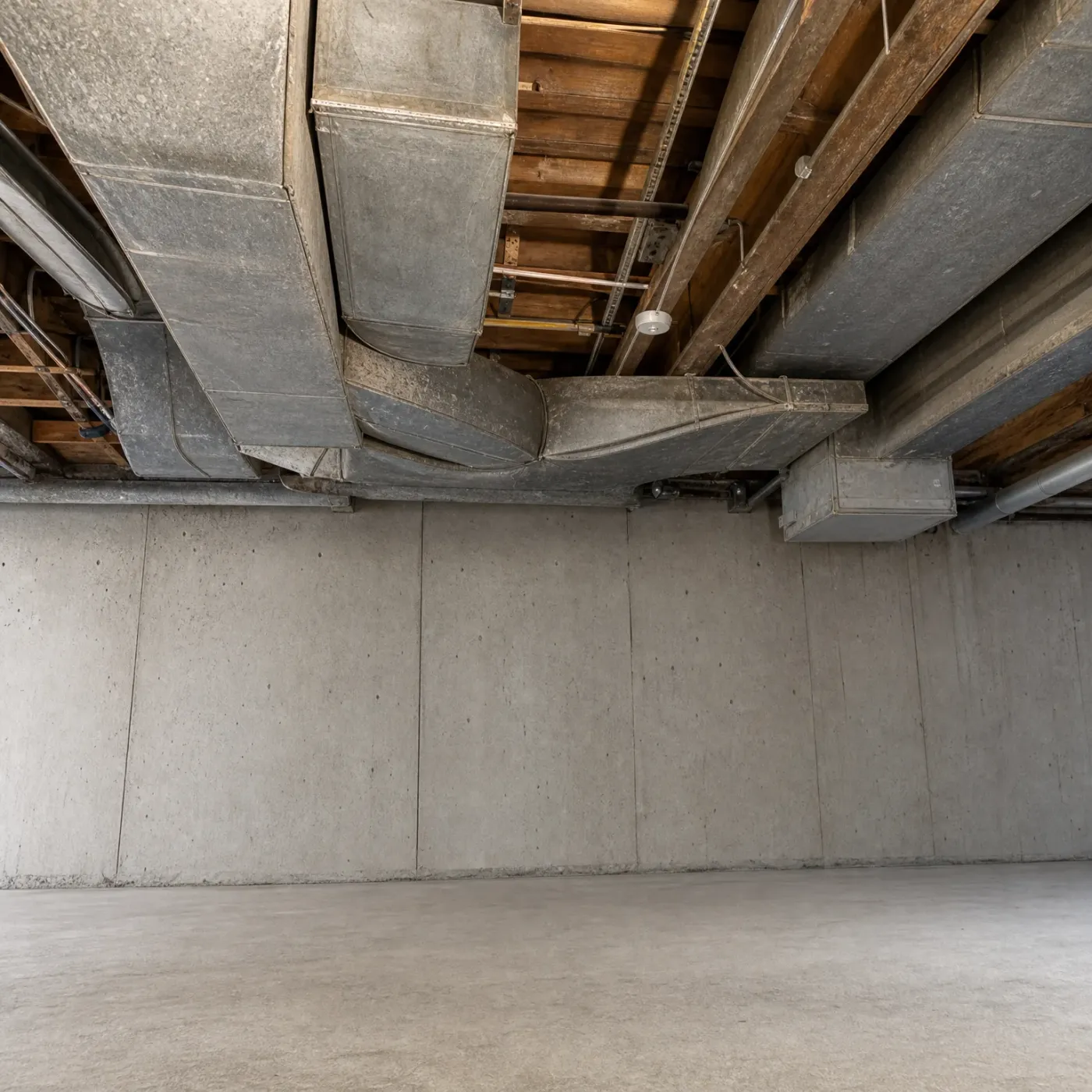
Your duct system isn't just pipe that carries air. It's full of seams, joints, turns and branches, and dust finds all of them. Gaps where sections meet can draw in dust from the attic or crawlspace every time the system runs. Inside, flex duct and sharp bends give dust more surface to cling to than a straight metal run would, so those spots build up faster. The return side is where your house's own dust gets pulled in first, carpet fibers, pet dander, whatever's settled on the floor, before it ever reaches the blower. None of this stays put. A furnace blower cycles on and off hundreds of times a day, and each start pushes air across the dust sitting on those duct walls, knocking some of it loose. Through a Nebraska winter, with the furnace firing often to keep up, that happens over and over. A dirty filter doesn't change any of this upstream. It just means more of what enters the ducts passes through uncaught and adds to what's already coating the inside.
How your ducts keep the dust moving
- Every duct run has seams and joints, and gaps at those spots pull in dust from your attic or crawlspace with each cycle.
- A furnace blower moves the same air hundreds of times a day, so dust clinging to duct walls gets knocked loose and redistributed over and over.
- The return side of your system pulls air from the house into the ducts, and that's where carpet fibers and pet dander first get drawn in before they're blown back out.
- Flex duct and sharp turns give dust more surface area to settle on than straight metal runs, so buildup collects faster in those sections.
- A dirty filter doesn't stop dust from entering the ducts, it just means more of it passes through and coats the inside of the ductwork instead.
- Natural gas furnaces cycle on and off often through a Nebraska winter, and each start-up pushes another round of settled dust into the air.


Your furnace runs most of the year
Gas furnaces heat most homes in Nebraska, and the blower pushes air through the same ducts whether it's firing a burner or just moving air for the AC. That means dust riding those duct walls gets stirred loose and redistributed on a near-constant cycle, not just a few months a year. Add in the sticky summers here, when the AC runs just as hard, and the ducts rarely get a break long enough for settled dust to just stay put. The more hours the system runs, the more chances dust has to move from the ducts into the air you're breathing.
What a cleaning actually removes
A duct cleaning clears the buildup clinging to the inside walls of the supply and return runs, the material that keeps feeding new dust into your rooms every time the blower kicks on. It also addresses the seams and joints where gaps let in dust from the attic or crawlspace, since sealing or clearing those spots cuts off a source that a filter never touches. None of this requires guessing where the dust is coming from. Once it's done, the air moving through your home stops carrying the extra load it was picking up on every pass through the system.


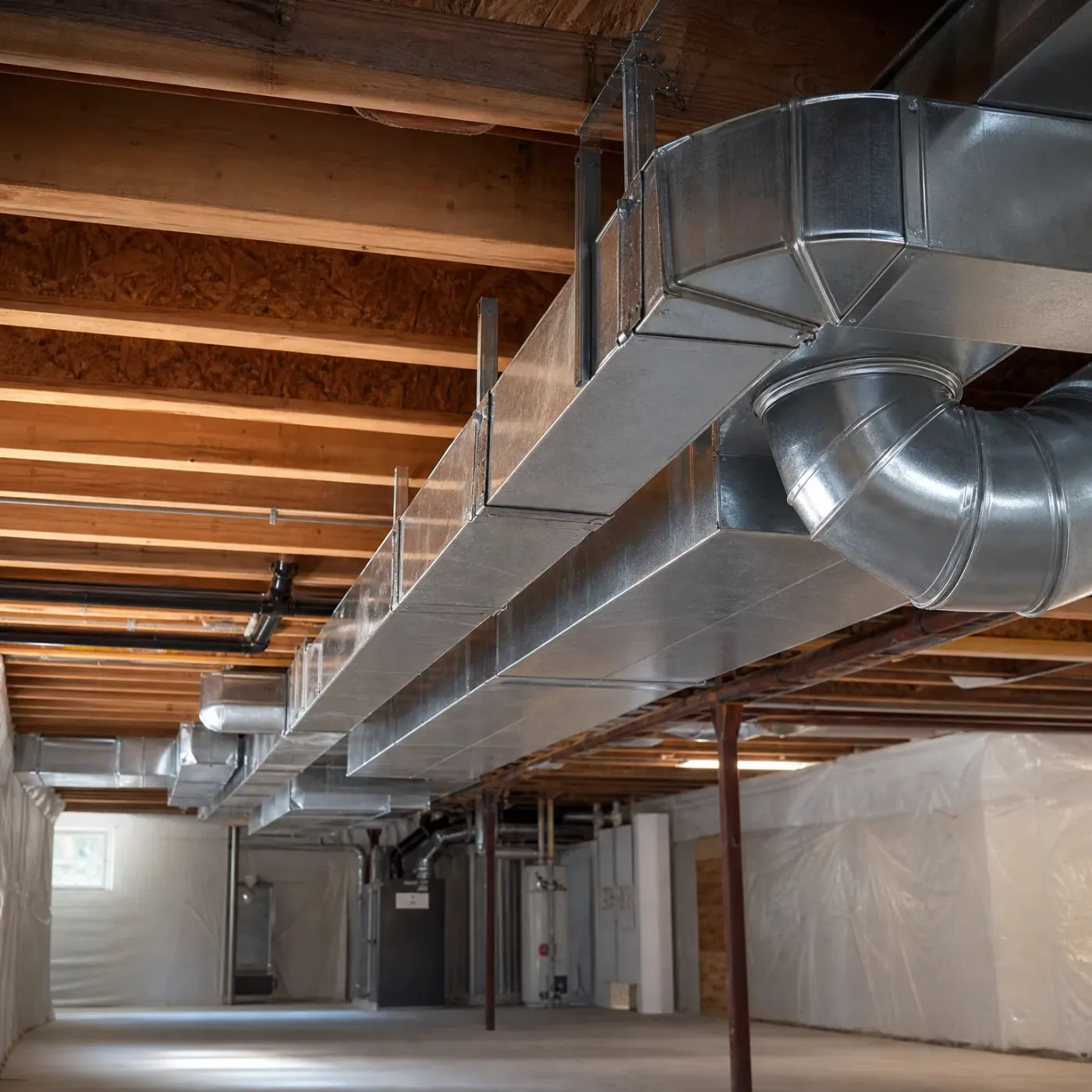
Done looking for a duct system pro
Skip calling around for someone who cleans ducts.
Send the request and finding a pro stops being your problem.
You're not committing to anything by asking.
Dusty Ducts vs. Cleaned Ducts
Dusty ducts
- Dust settles along the inside of the duct walls and gets thrown back into the room every time the blower kicks on.
- Furniture and shelves need wiping down every few days, and the dust comes back just as fast.
- Air coming out of the vents can look hazy or carry a flat, stale smell even right after cleaning.
- Furnace filters clog faster because they're catching dust that the ducts keep recirculating instead of holding.
- Allergy symptoms can flare indoors even on days when pollen counts outside are low.
- Registers and vent covers collect a visible gray film within days of being wiped clean.
Cleaned ducts
- Dust gets pulled out at the source, so the blower is pushing clean air instead of stirring up what's built inside the ducts.
- Surfaces stay clear noticeably longer between dustings since the system isn't restocking the dust supply.
- Vents run clear instead of hazy, and that stale smell tied to the system clears out with it.
- Filters last closer to their normal change interval instead of loading up early.
- Breathing indoors feels easier since the system isn't recirculating what's loosened off the duct walls.
- Registers stay cleaner for longer stretches instead of filming over within days.
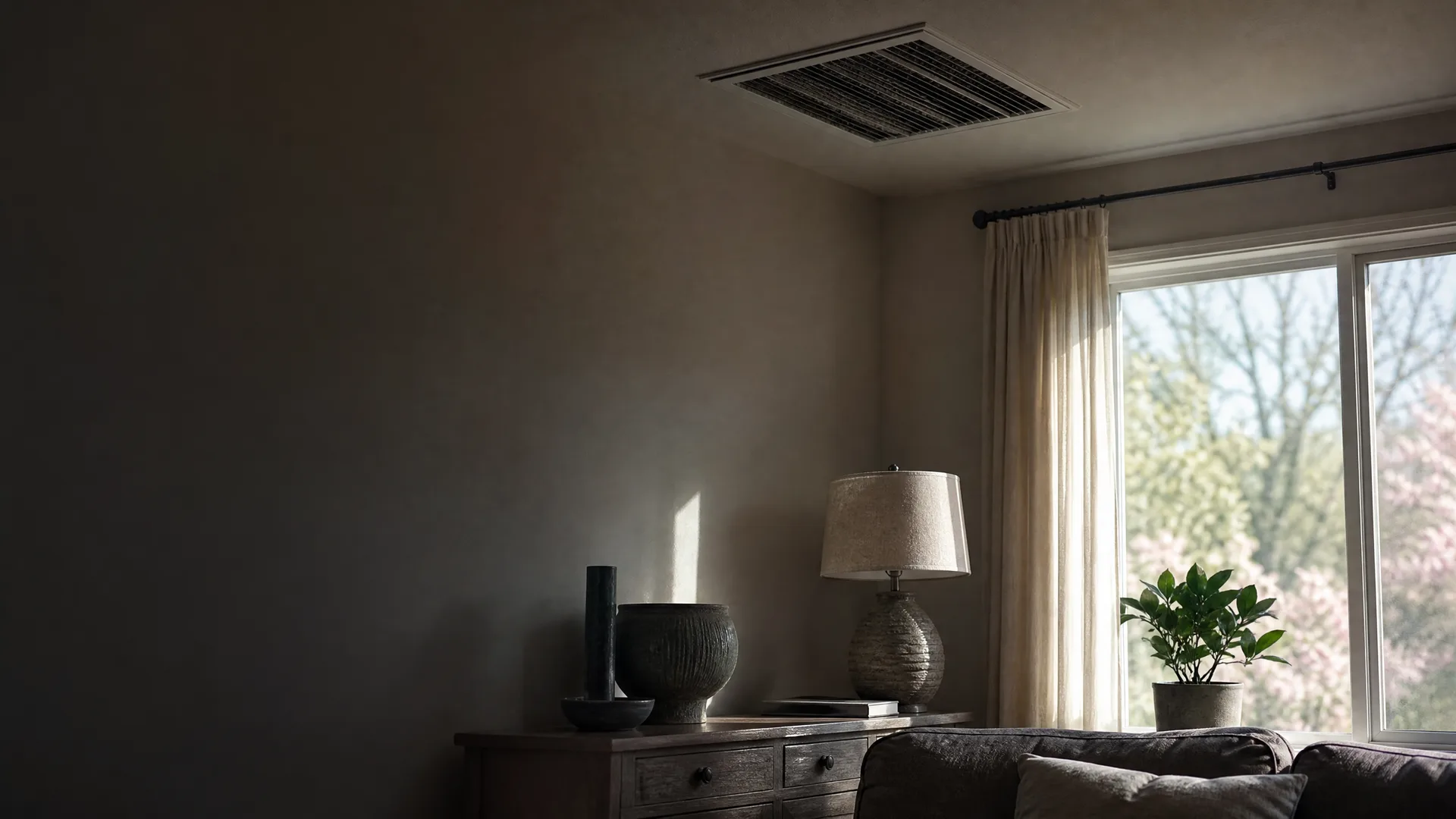
It's a quiet spring afternoon and the sun through the window shows what the room usually hides. A gray line of dust rings the ceiling vent grille, thick enough to see from the couch. Below it, the side table has a dull film across the wood, and the lamp shade has gone soft gray at the top. You ran a cloth over that table two days ago. The furnace cycled on and off all morning as the house cooled down from last night, pushing air through the grille each time, and now it's visible again. Outside, Nebraska's humidity hasn't climbed yet for summer. Inside, the vent keeps doing what it's done all year.
Power costs 12.05 cents per kilowatt-hour statewide
At 12.05 cents a kilowatt-hour, running the blower longer than it needs to doesn't hit your bill that hard. That means there's no real cost reason to shut the system off early or hold off on a cleaning to save on runtime. The dust in your ducts keeps circulating either way.
EIA-861 2025 statewide residential average
Where the dust is coming from
- Dust that returns within days points to the duct system, not the air in the room.
- Your furnace blower cycles the same air through the same ducts whether it's heating or cooling.
- Gaps at duct joints pull in dust from the attic or crawlspace every time the system runs.
- Clean duct walls stop shedding dust back into the rooms, so surfaces stay clear longer.
- Cheap power here means there's no reason to run the system less to avoid the cost.
- Finding a contractor, calling around, and comparing quotes is the part that takes the real time.
The dust settling on your shelves again and again isn't bad luck or a weak filter. It's the ducts behind your walls doing it. Your furnace and AC share the same duct system, and that system runs for most of the year in Nebraska between the heat and the muggy summers. Each time the blower kicks on, it pushes air past duct walls coated in dust and through joints that may not seal as tight as they should, pulling in more from the attic or crawlspace along the way. None of that shows up by looking at a vent cover. It shows up in how fast the dust comes back after you've wiped it away. Running the system less to try to slow this down doesn't make sense either, not with power here priced the way it is. The fix isn't in your cleaning routine or your filter schedule. It's in the ducts themselves, and that's a job for someone who can get in there and clean them properly. Once you send the request, you're done with the part that usually drags on: searching for contractors who do this work, calling a few to see who answers, explaining the same dusty rooms and gray vent grilles each time, then sitting with a stack of quotes trying to tell them apart. That legwork goes to someone else. The dust problem still gets solved the same way it always would, by a contractor doing the work, but finding that contractor stops being something you have to carry.





It's off your list after this
Answer a few questions about the duct cleaning and skip the search.
It costs nothing to send, and you don't have to hire anyone.