
Why your furnace is blowing dust in Nebraska
Why is my furnace blowing dust into the house?
Dust coming out of the vents is usually the first thing you notice, maybe on the furniture near a register or on your hands after you adjust a vent. It makes sense to wonder if something is actually wrong with the furnace or if it is just a dry house. With the furnace running most days from fall through spring here, it's worth knowing what's really pushing that dust into the rooms you spend your evenings in.
A dirty filter or leaky ducts are pushing dust through your vents
A clogged filter lets air bypass it instead of passing through, and whatever dust sits in the ductwork rides that air straight into your rooms. Leaky duct joints do something similar, pulling in dust from the attic or crawlspace as air moves through the system. Since Nebraska homes run their furnace for a good stretch of the year, that filter sees months of steady use before anyone thinks to check it, and a duct leak gets more chances to pull in dust the longer the system runs. Either way, the dust isn't coming from the furnace itself. It's riding the air the furnace is already moving through your house.




Filter Swap or Duct Leak
Dusty Filter
- A filter left in too long stops catching dust and starts letting it pass straight through into your ducts.
- You can check this one yourself: pull the filter and hold it to the light, if you can't see through it, that's your answer.
- Swapping it is cheap and takes a few minutes, no tools and no need to open up the furnace cabinet.
- If the dust eases up within a day or two of a new filter going in, the filter was the whole problem.
- A filter that's the wrong size or rating for your furnace can cause the same thing even when it looks clean.
Leaky Ductwork
- Gaps or loose joints in the ducts pull dust from your attic, crawlspace or basement straight into the air stream.
- Changing the filter won't fix this, the dust is getting in downstream of where the filter can catch it.
- A local contractor who services furnaces in Nebraska homes every winter can pressure test the ducts and find where air is escaping.
- Duct leaks often show up worse in older sections of a house, where joints have had more years to loosen.
- Sealing the ducts is a job for someone who can get into the crawlspace or attic runs, not a filter swap you do yourself.
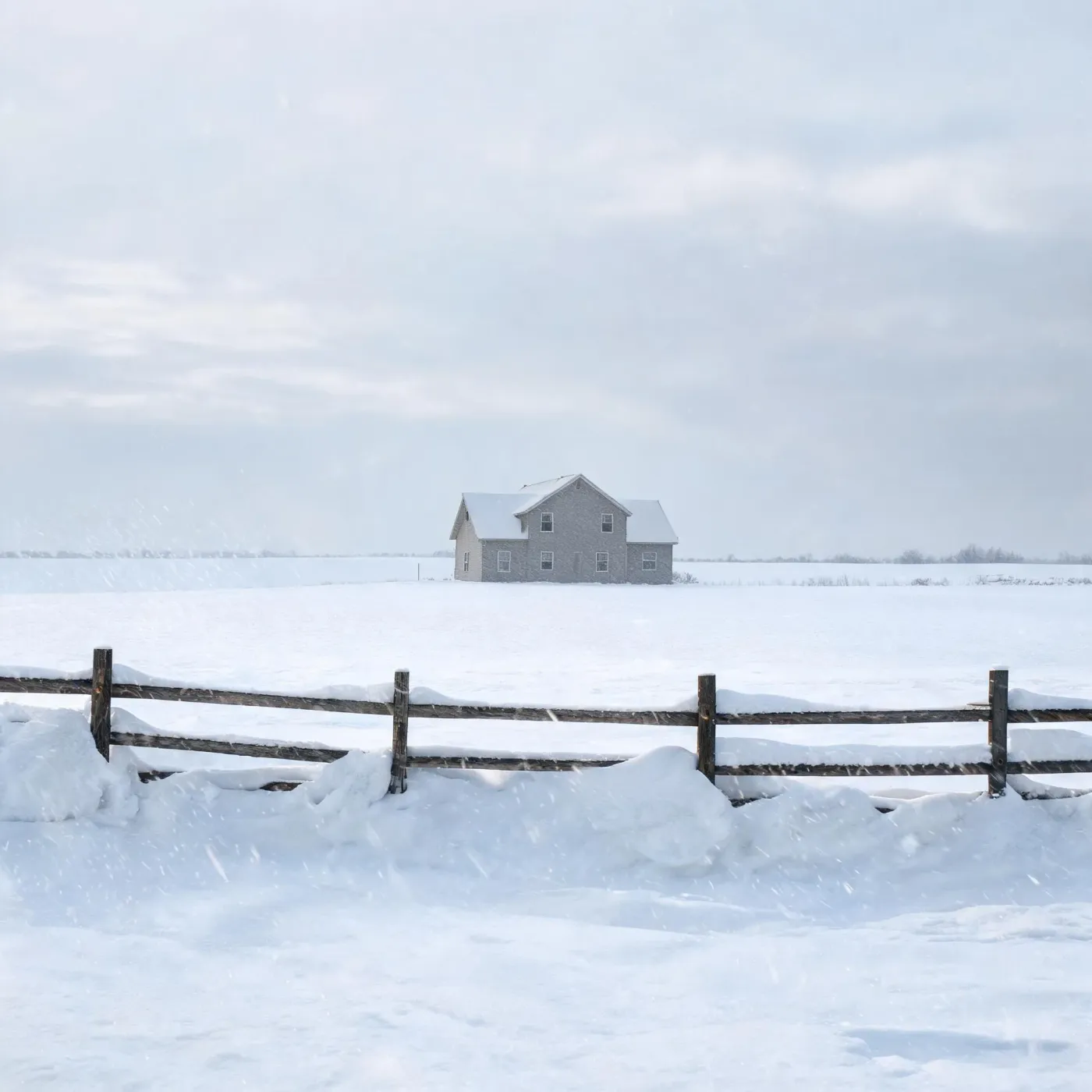
Nebraska winter nights average 17°F statewide, according to NOAA climate data. That kind of cold keeps your furnace cycling on and off most of the night, every night, from December through February. Each time it fires back up, it pushes air through ducts that have had a chance to go still, and any dust sitting in there gets stirred loose and carried into the room with the first blast of warm air. The colder it gets, the more often the furnace kicks on, and the more chances dust has to travel. If you've noticed more dust on cold mornings than on mild ones, this is why. A technician who works Nebraska winters knows how hard furnaces run here and what that pace does to a dirty filter or a loose duct joint. Send in the form and you're done looking. One local contractor gets matched to you and takes it from there.
NOAA nClimDiv 1991-2020 county normals weighted by homes
Send one request and you're done looking

Only one pro gets your request, so you hear from one company.
There's no charge for the request.
What happens inside the furnace
Every time the blower starts, air moves across the heat exchanger and through the ductwork before it reaches your registers. Any dust sitting in that path, on the exchanger surface, in the blower housing, along the duct walls, gets picked up and carried into the room with it. A furnace that has gone through a lot of cycles without a look inside will have more of this built up than one checked at the start of the season. That buildup does not clear itself. The blower just keeps moving whatever is there, cycle after cycle, all winter.
Why a yearly check matters here
A technician who services furnaces around Nebraska every fall knows which parts collect dust first in a system that runs hard from December through February: the blower wheel, the exchanger fins, the return duct seams. A maintenance visit means someone looks at those spots before the cold sets in, not after you have already noticed dust on the furniture for a month. It also means a furnace that is cycling correctly, since a system short-cycling from a bad thermostat or a dirty flame sensor stirs up more air movement than one running normal, longer cycles.


A furnace blowing dust usually comes down to a filter that's overdue, ductwork that's never been cleaned, or a blower working harder than it should through a Nebraska winter. None of that takes guesswork to fix. A furnace tech who works on these systems all winter, in homes like yours, can tell you within minutes which one it is, because they've seen the same thing in a dozen other houses on your street. Getting matched with one licensed, local contractor means you're talking to someone who already knows what tends to go wrong in gas furnaces here, not fielding calls from three different companies trying to win your business. Once you know what's actually causing the dust, the fix is usually straightforward. Where you stand now is simple: the dust has a cause, the cause is findable, and someone local who does this work every season can find it.





Finding a pro stops being your job
Your request stays with one local pro.
You only hire the pro if you want to.