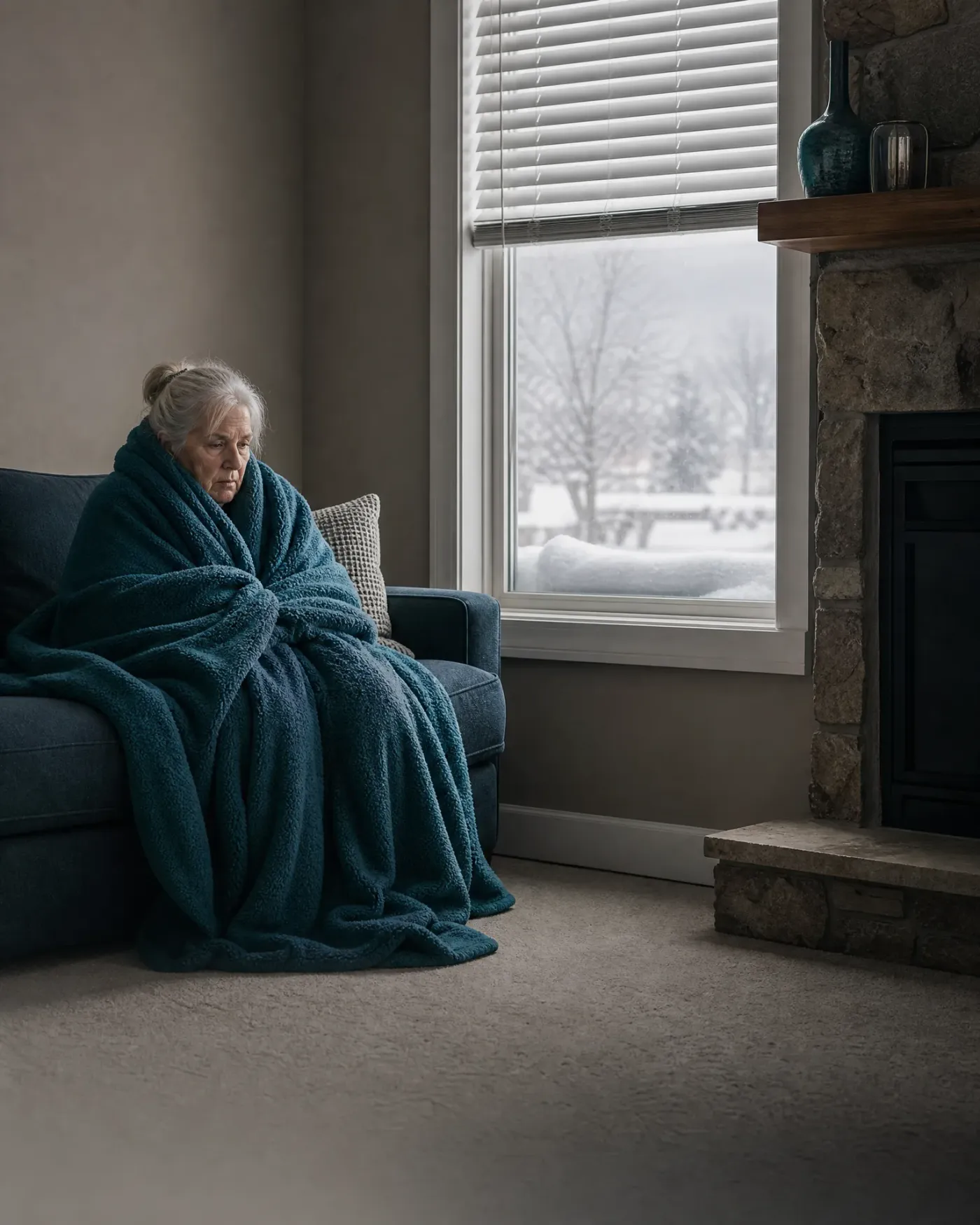
A quiet rattle, loose panel
If the rattle comes and goes and the furnace still heats the house fine, check the panel screws first. A loose panel is a five-minute fix for someone who knows where to look, and the rest of the unit can be sound.
A rattle usually means something inside the furnace has come loose, not that the whole unit is failing. Loose panel screws are the most common cause, since the blower vibrates the cabinet every time it runs and that shakes fasteners over time. A dirty or unbalanced blower wheel will also rattle, especially once your furnace starts running hard through a Nebraska winter after sitting idle most of the year. Sometimes the noise comes from the ductwork itself, which ticks and rattles as it heats and expands. A cracked heat exchanger can rattle too, and that one matters more, because it can let combustion gases into your air. Most rattles are simple and cheap to fix once someone opens the cabinet and watches the blower run. The part that is worth taking seriously is figuring out which kind of rattle you have before it turns into a bigger repair.

If the rattle comes and goes and the furnace still heats the house fine, check the panel screws first. A loose panel is a five-minute fix for someone who knows where to look, and the rest of the unit can be sound.

If the noise is getting louder, or the furnace is older and sitting on a damp concrete floor, the rattle can point to a cracked heat exchanger or a blower wheel working loose. That calls for someone to get inside the cabinet and look.




Past the loose screw, the noise usually traces to something moving when it shouldn't. The blower wheel can throw a balance clip or crack a weld, and once it's off balance it taps the housing every time it spins up. The inducer motor kicks on first, ahead of the burners, so a rattle right at startup often means that motor, not the blower. A blower motor with a worn bearing lets the shaft wobble, and that wobble gets louder as the motor runs and heats up. Sometimes it's not a part failing at all. Gas lines or electrical conduit left slack against the cabinet will buzz against the sheet metal once there's enough airflow, and a duct connected loosely at the collar can rattle at that joint with everything inside the furnace working fine. The one that matters most is a cracked heat exchanger, where the metal flexes and rattles as it heats and cools. That's not something to leave alone, and it takes more than a tightened screw to fix.


A rattle by itself doesn't cost much. What it leads to does. Gas is the main heat source for most homes in Nebraska, and power is cheap here, so the bill usually doesn't get much attention until it jumps. A blower that's been knocking against a loose panel or a bad wheel for months runs longer to move the same air, and that shows up on the gas side before anyone traces it back to the noise. Left alone, the small problems behind a rattle tend to turn into bigger ones. Screws that have worked loose keep working loose every time the blower kicks on, until a rattle becomes a bang and a panel that needs more than a screwdriver. A blower wheel spinning out of balance wears on its own bearings, so what started as a loose part can end with a replacement. The one case that matters most is a cracked heat exchanger. It can rattle as the metal flexes, and if it's cracked, exhaust can end up in the air moving through your house. If your furnace is near a bedroom, a rattle that's worse at night is also just hard to sleep through. None of this means panic. It means a rattle that's lasted through more than one heating cycle is worth having someone look at before winter is over.


Only one pro gets your request, so you hear from one company.
Asking costs nothing, and the choice to hire stays yours.

A gas furnace in Nebraska can run eight or nine months out of the year, counting the shoulder months on either side of the coldest stretch. That is a lot of cycles on a blower motor and a lot of time for a loose screw to work its way looser. Equipment elsewhere might go through half that many on-off cycles in a season. Here, the hours add up fast, and so does the wear on anything that was not fastened down tight to begin with.

Electricity is inexpensive in most of Nebraska, so a rattling blower will not run up your power bill the way it might somewhere else. The real cost shows up on the gas side. A blower wheel that is out of balance has to work harder to push the same amount of air through the ducts, and a furnace burning more gas to do the same job is the furnace telling you something is wrong before it fails outright.
You probably hear it most when the blower first starts, a rattle or buzz that settles down or keeps going the whole cycle. Maybe it's a tapping from inside the cabinet, or a bang when the burners light. Some households notice it through the floor vents in a bedroom right above the furnace. Others catch a faint metallic buzz near the unit itself and nothing upstairs at all. If the furnace still heats the house the same as always, the noise alone doesn't mean you're losing heat. But a rattle that's gotten louder over a few weeks, or one that comes with a burning smell or the furnace short-cycling, means something has shifted inside that's worth having looked at before it turns into a bigger repair or a cold house on a hard night.
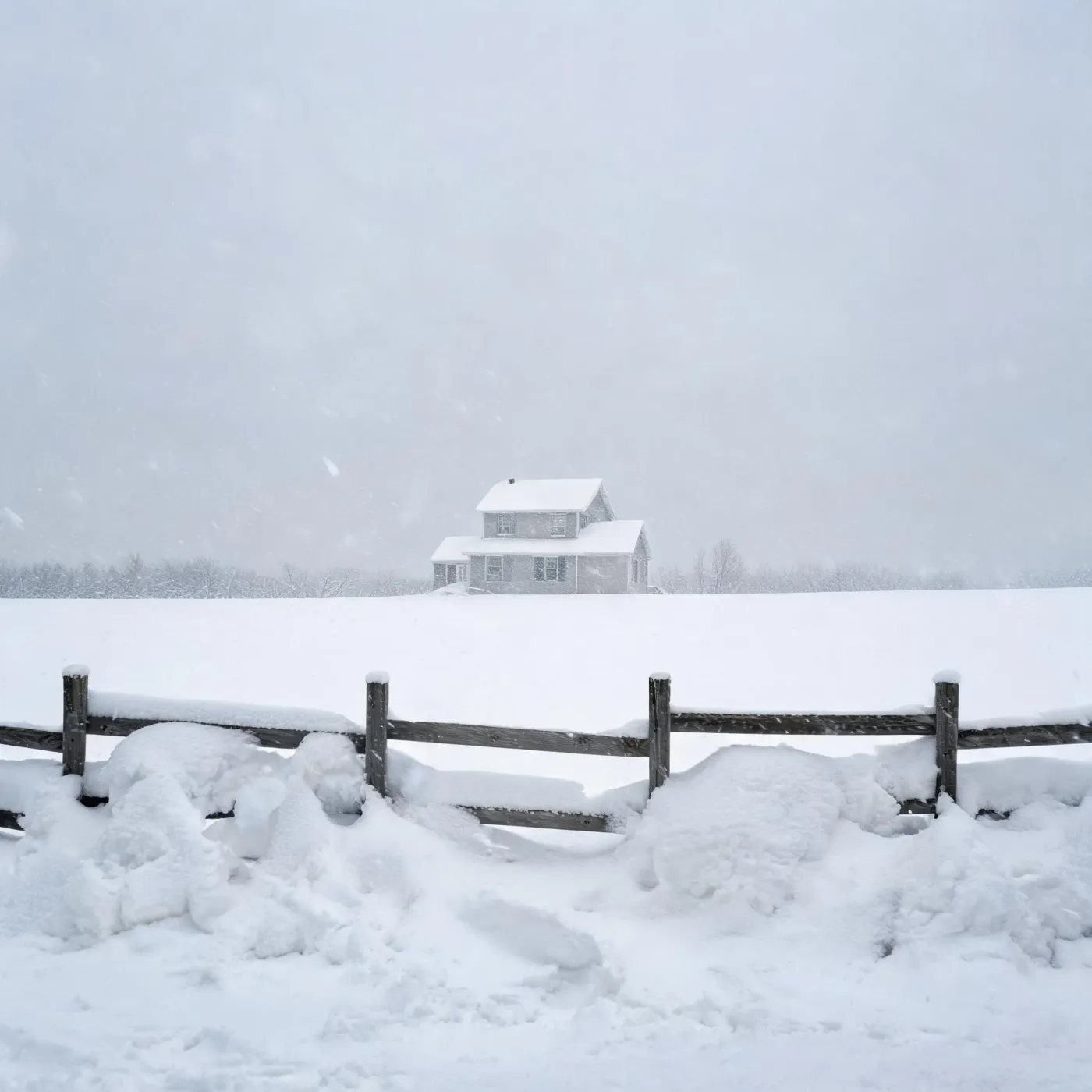
Winter nights average 17°F statewide, and that's the stretch where a rattle stops being background noise. Cold like that keeps the furnace running long cycles instead of short ones, since it takes longer to satisfy the thermostat. A loose panel or a worn blower part that only ticked once an hour in milder weather starts tapping the whole cycle through. You'll notice it most around bedtime and early morning, when the outdoor temperature sits at its lowest and the furnace is working its hardest to keep up. Source: NOAA climate normals.
NOAA nClimDiv 1991-2020 county normals weighted by homes
The thermostat calls for heat and the inducer motor starts first.
The inducer pulls air through to prove the vent is clear.
The igniter heats up and the gas valve opens to the burners.
The blower kicks on seconds later and pushes air through the ducts.


At 17°F, your furnace is not cycling on and off anymore. It is holding a long burn to keep up, and that steady run is what turns a small rattle into something you notice every night. A loose panel or worn blower part gets more hours to work against, so the noise tends to show up worse on the coldest nights rather than the mild ones.
NOAA nClimDiv 1991-2020 county normals weighted by homes

A furnace like this holds steady because the panels sit tight against the cabinet and the blower spins true. Nothing taps the housing, nothing buzzes against sheet metal. The gas lines and flue pipes stay put since nothing inside is shaking them loose. This is what quiet sounds like through eight months of runtime.

Dust like this builds up when a furnace has run long enough for something to wear. Flexible gas lines and bare framing give a rattle more surfaces to bounce off, so a small vibration carries further than it would in a tighter setup. A furnace this old is also more likely to have a panel screw or blower part that finally gave way.

A loose screw, a tired blower part, a cracked weld inside the cabinet. Whatever is making the noise in your furnace, it has a specific cause, and someone who works on these units knows where to look first and what to check next. That is different from guessing with a screwdriver and hoping the sound goes away.
Nebraska winters keep a furnace running long hours, and that is exactly when a small looseness turns into a part that has worked its way further out or further off balance. Getting matched with a contractor who services furnaces in your area means someone local looks at your unit, not a stranger working off a checklist. You hear from one contractor, not a handful, so you are dealing with a single call back from someone who knows what tends to fail in a furnace that runs this many months a year.

No fee to send it, and nothing to sign.
A furnace that runs all winter doesn't get a break to fix itself. The sooner someone looks at that rattle, the less chance it has to loosen something else nearby or turn into a repair that costs more than a tightened screw.