










Profile view of a bearded man wearing a dark green baseball cap and a dark gray T-shirt against a plain light background.

Why your heat won't reach upstairs in Nebraska

RepairFurnace or heatingNebraska
Step 1 of 2

What ZIP code is the job in?

Upstairs stays cold because warm air rises on its own and your furnace has no way to push more of it up there once it leaves the register. The duct run to the second floor is often longer and has more turns than the runs feeding your main floor, so the air loses heat along the way and arrives weaker. If your system was sized or balanced for the downstairs, the upstairs was always going to get less. A dirty filter or a duct that's come loose in the attic makes it worse, cutting what little airflow was reaching those rooms to begin with. None of this means the furnace is failing. It usually means the air isn't getting where it needs to go, or isn't getting there with enough force left to matter. A damper that's closed or stuck, a return vent that's blocked, or ductwork that was never set up to balance both floors can all be the actual cause. Someone who can trace your ducts and check the balance room by room will tell you which one it is.

A gray metal furnace with two white PVC vent pipes stands on a concrete floor beside galvanized sheet-metal ductwork in a basement or utility space with wood framing.
Before you get your furnace repair
A gray furnace cabinet in a basement with sheet-metal ductwork, white PVC vent pipes, and black gas piping against a concrete wall and wood-framed partition on a bare concrete floor.
After you get your furnace repair

One blower moves air for the whole house. By the time it reaches the second floor, the main floor has already taken its share of the pressure. Warm air does want to rise, and that helps, but it has to travel a longer duct run with more turns to get there, and every turn slows it down. If the filter is dirty or the blower has lost strength, the room farthest from the furnace runs out of air first, and that is almost always upstairs. Getting warm air up there is only half the job. It has to come back too, and if the upstairs doesn't have enough return duct, that air just sits instead of cycling through again. Ducts running through an attic or inside exterior walls can leak heat out before the air ever reaches a register. And if the thermostat lives downstairs, the furnace shuts off once that floor is comfortable, whether or not the upstairs ever caught up.

Why the Air Loses Steam Upstairs

  • Your furnace has one blower pushing air through every duct in the house, so the upstairs register gets whatever pressure is left after the main floor takes its share.
  • Hot air leaving the furnace naturally wants to rise, which helps it reach the second floor, but the duct run there is usually longer with more elbows that slow it down.
  • A dirty filter or a blower losing strength cuts the air pressure everywhere, and the room furthest from the furnace feels it first.
  • Return air ducts pull air back to the furnace to get reheated, and if the upstairs doesn't have enough return capacity, warm air can't cycle through that space as often.
  • Leaky or poorly sealed ducts in the attic or walls let heated air escape before it ever reaches the upstairs registers.
  • A thermostat set on one floor only reads that floor's temperature, so the furnace stops running once downstairs is warm even if upstairs is still cold.
A woman with dark hair in a bun wearing a cream knit sweater sits on a gray sofa in a bright living room, looking off to the side.
A woman wrapped in a knit blanket sits on a gray sofa in a living room, looking toward a bright window with houseplants and an armchair in the background.
A woman in a gray cowl-neck sweater sits on a light sofa with cushions, smiling and looking to the side, with a kitchen and window visible behind her.
A woman with dark hair in a bun, wearing a light linen shirt, sits on a sofa and looks to the side, with a window, houseplants and a kitchen with pendant lights blurred behind her.
  1. The blower pushes heated air into the main trunk line.

  2. Air splits off into branch ducts feeding each room.

  3. The longer upstairs run bleeds more pressure through its turns.

  4. Warm air reaches the main floor registers first and strongest.

A beige high-efficiency furnace stands on a concrete basement floor beside sheet-metal ductwork, with white PVC vent pipes and a gas line running along an insulated wood-framed wall.
A furnace running the way it should sends warm air up through the ductwork with enough force left to reach the second floor registers.
An older metal furnace with a louvered front panel stands against a concrete basement wall, connected to sheet-metal ductwork and a flue pipe, with copper and steel pipes running alongside.
A furnace left too long loses pressure to age and dust before the air ever gets to the turns feeding your upstairs rooms.
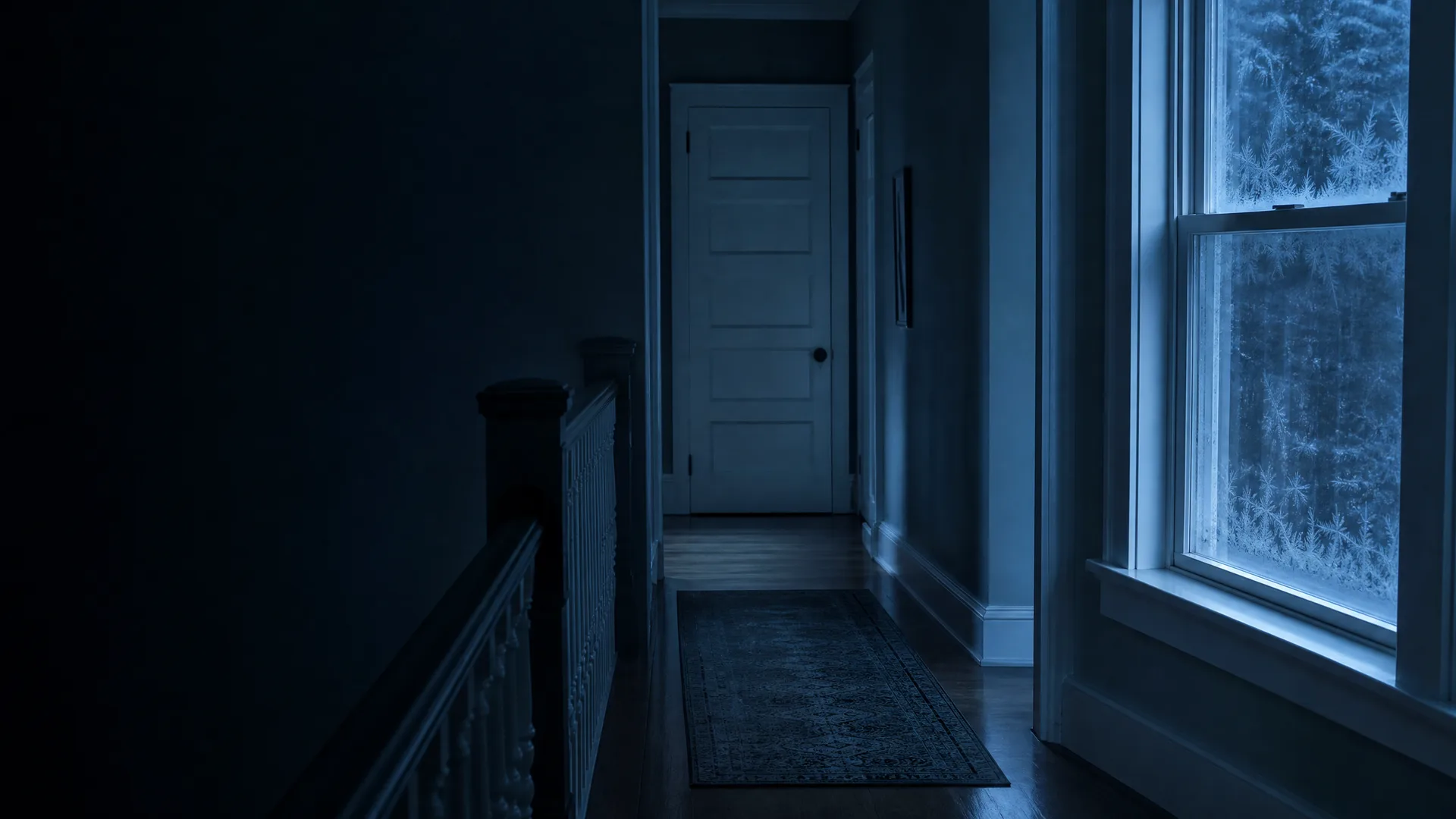
Dimly lit interior hallway at night with a closed white paneled door at the end, a long runner rug on a wood floor, a stair railing at left, and a frost-covered window admitting blue light at right.

It's 2 a.m. and the house is quiet except for the cold. You wake up to check on the kids and the upstairs hallway holds the kind of still, dry chill that means the vents haven't pushed anything up here in a while. You crouch by the floor register anyway. Nothing moving, no sound of air behind the grate. Outside, well below freezing, the kind of January night Nebraska does every winter. Frost has crept up the edges of the hallway window, a thin white line creeping from the corner. You pull the blanket higher on your kid's bed and head back to your own room, already thinking about who you can call in the morning.

A furnace pro near you

Send the request today and stop worrying about who to call.

It costs nothing to send, and you don't have to hire anyone.

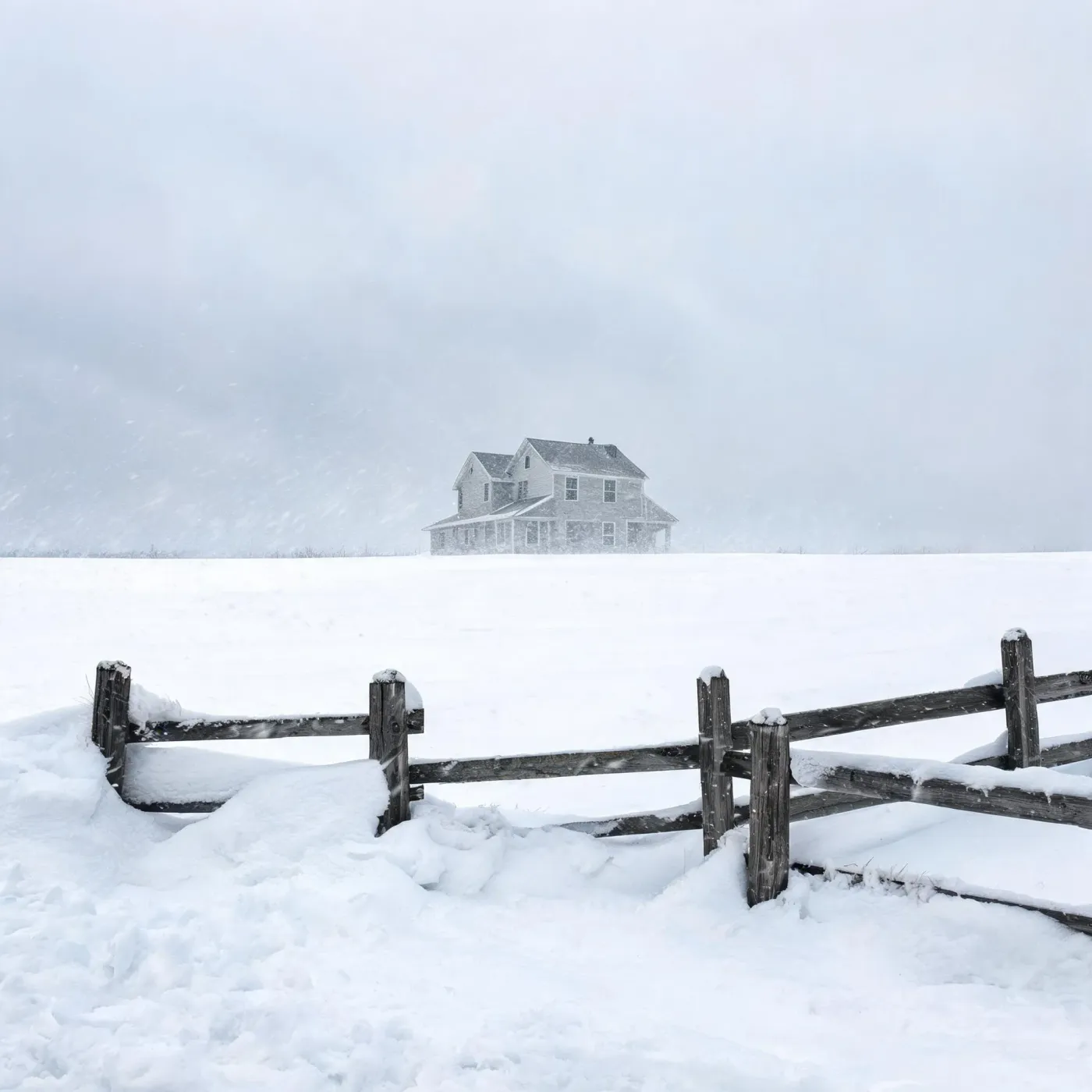
A two-story house with a porch stands alone on a snow-covered field during falling snow, with a weathered wooden split-rail fence partly buried in drifts in the foreground.

Winter nights average 17°F across Nebraska, according to NOAA. That cold pulls harder on a furnace than most people think, and a blower already struggling to push air up a long duct run has even less to give once the temperature outside drops that low. The main floor still gets warm air first. What's left by the time it reaches the second floor is thinner and cools fast against cold windows and exterior walls upstairs. If a bedroom up there stays chilly no matter how high the thermostat goes, a night this cold is when you'll feel it most, and it's worth having the furnace looked at rather than just running it longer.

NOAA nClimDiv 1991-2020 county normals weighted by homes

Why does my upstairs thermostat read colder than the one downstairs?

You've got two thermostats, two different numbers, and you're left wondering which one to trust. If the downstairs reads 70 and upstairs says 64, something is sending heat to one part of the house and not the other. That gap tells you something specific about how your furnace and ductwork are splitting the air between floors.

The downstairs thermostat is closer to the furnace and gets first claim on the warm air

Most furnaces sit in a basement or main floor closet, so the thermostat nearby is reading air that just came off a short, direct duct run. By the time that same warm air reaches the upstairs thermostat, it has traveled through more duct, more turns, and lost pressure along the way. The downstairs thermostat often satisfies first and tells the furnace to shut off, even though the upstairs hasn't caught up yet. A gap of five or six degrees between floors is common in a two-story Nebraska home once outside temperatures drop into the teens, because the blower has less left to push by the time air reaches the second floor.

A gray high-efficiency furnace with white PVC vent pipes stands on a concrete pad in a basement, beside sheet-metal ductwork, copper piping and a poured concrete wall with wood framing at left.

Furnace running clean

A furnace in good shape has a strong, steady flame and a blower that runs quiet. The ductwork overhead carries warm air without much resistance, so the upstairs rooms get their share along with the main floor. Pipes and connections nearby stay dry, with no rust or soot near the cabinet.


A beige gas furnace in a basement with a metal flue pipe, galvanized sheet-metal ductwork to its left, and gas and water pipes along the concrete wall to its right.

Furnace losing ground

An older furnace works harder to move the same air through the same ducts. Dust builds up inside the cabinet and along the blower wheel, and the flue pipe shows its age. Whatever pressure it's lost shows up first at the far end of the duct run, upstairs, before it shows up anywhere else.

Winter nights average 17°F statewide

At 17 below freezing, your furnace runs longer just to hold the main floor at temperature. The longer it runs, the less spare pressure it has left to send air up that upstairs duct run, so the coldest nights are when the gap between floors shows up the most.

NOAA nClimDiv 1991-2020 county normals weighted by homes

A gray high-efficiency furnace stands on a concrete basement floor beside sheet-metal ductwork, with white PVC vent pipes and a black flexible line running up to exposed wood floor joists, next to a wood-framed post against a concrete wall.

The furnace holding its own

A furnace in good working order sits solid on the slab, flame steady, blower turning without strain. The sheet-metal trunk line overhead carries warm air at full pressure, so the branch run upstairs still has enough push left to fill those rooms.

A beige metal furnace with a louvered front panel stands on a concrete floor against a concrete wall, connected to galvanized sheet-metal ductwork and a metal pipe.

The furnace running out of pressure

An older unit like this one has had years to lose ground. Dust in the blower wheel and wear in the motor both cut into the air it can move, and the upstairs run, already the harder path, is the first to feel it.

A man in a dark blue shirt stands in an open front doorway of a stucco and wood-clad house, facing a blond woman seen from behind in the foreground on a stone walkway.

The gap between floors has a cause, and a fix

Upstairs runs cold because the duct feeding it is longer, has more turns, and gets whatever pressure the blower has left after the main floor takes its share. That's the plain answer. A furnace in good shape can still cover that distance. One that's lost pressure to age, dust, or a strained blower can't, and the gap between the two thermostats is how you find out.

A contractor who looks at your furnace, your ductwork, and that upstairs run can tell you which one it is and what it takes to close the gap. Once you send the request, that part isn't yours to carry anymore. Someone who handles this for a living takes it from here and reaches out to you directly, so the cold hallway upstairs becomes a problem with a name instead of a mystery you check on at 2 a.m.

Interior corner of a living room with a beige upholstered sofa and dark cushion in the foreground, a ceramic vase of leafy branches on a dark side table by a curtained window, a framed picture on the wall, and a wood-surround fireplace at right.
An older woman with gray hair in a bun and glasses, wearing a beige knit sweater, smiles while looking to the side in a warmly lit kitchen, with a loaf of bread on the counter in the foreground and a snowy scene outside the window.
A woman and a child wrapped together in a knitted gray blanket on a couch, with the child's head resting on her shoulder and a lit table lamp and houseplant in the background.

A local pro for your furnace repair

A furnace that's losing pressure to age or dust can't spare much for that long upstairs run, no matter how cold it gets outside. A contractor can check the blower, the ductwork, and the pressure at that upstairs register, and find out which one is actually costing you the heat. Send the form and finding that contractor stops being your problem. They'll reach out and take it from there, so the house can finally heat evenly from the ground up.

Match me with a pro

One request and the search for a pro is handled.

No charge to send it. You decide if you hire them.




