A white hooded louvered vent cover mounted on dark gray horizontal lap siding, with dappled late-day light and shadows across the wall and a leafy shrub at the right edge.

Finding a pro stops being your job

Is a clogged dryer vent a fire risk in Nebraska

Yes, and it's worth taking seriously. Lint buildup traps heat in the vent line and blocks the moist air your dryer needs to push out, which is how fires start. This page covers what raises that risk in a Nebraska home and what clogged vent looks and smells like. Fill out the form and skip the work of tracking down someone who does this.

Let a pro reach out

Yes. A clogged dryer vent is one of the more common causes of house fires, and lint is the reason why. Every load leaves some lint behind, and what the trap doesn't catch moves down the line and builds up in the vent itself. Lint is dry and feeds a flame fast. When it piles up, the dryer runs hotter because the moist air it needs to push outside has nowhere to go, and that heat has nowhere to go either. Nebraska summers run humid, which means the dryer is already working to push out damp air for months at a time, and a partly blocked vent makes that job harder on the motor and the heating element both. A vent that's been clogged a while can also back lint up toward the duct work behind the machine, closer to the wall. The risk builds slowly and quietly, which is why most people don't catch it until the dryer is taking two cycles to dry a single load or the outside vent hood is barely moving air at all.

A smiling man in a dark blue T-shirt sits on a light gray sofa in a living room with a wooden shelf and window behind him, with a laptop edge visible in the foreground.
A bearded man in a plaid flannel shirt stands indoors looking out a frost-covered window, with a steaming dark blue mug on the wooden sill and snow-covered trees outside.

Every time a dryer runs, it pushes hot, damp air down the vent and out of the house. Lint rides along with that air, and some of it sticks to the inside of the line instead of making it outside. Over time that coating gets thicker. The dryer has to work harder to push air past it, so the igniter or heating element runs hotter than it should. Lint ignites at a lower temperature than paper does, so it doesn't take much of a buildup to catch. Outside, the vent hood can get blocked the same way by a bird or squirrel nest, and it happens more often than most homeowners think. A long vent run with several turns gives lint more surfaces to grab onto before it reaches the outside wall. If a load comes out of the dryer still damp or the dryer itself feels hot to the touch at the end of a cycle, that's the vent telling you air isn't moving through it the way it's supposed to.

How a Clogged Vent Starts a Fire

  • A dryer forces hot, damp air through the vent line with every load, and lint is what that air leaves behind as it cools.
  • The igniter or heating element inside a gas or electric dryer has to work harder to push air through a blocked line, which raises the temperature inside the unit.
  • Lint catches fire at a lower temperature than paper, so a thin coating along the vent wall is enough to start one.
  • A bird or squirrel nest at the outside vent hood blocks airflow the same way lint does, and it happens more than homeowners expect.
  • A full cycle that still leaves clothes damp or hot to the touch means air isn't moving through the vent the way it should.
  • The longer the vent run and the more turns it makes to reach outside, the more surface there is for lint to catch on.
A white hooded dryer vent mounted on horizontal lap siding, with a thick mass of gray lint clogging the opening beneath the hood.
Before you get your dryer vent cleaning
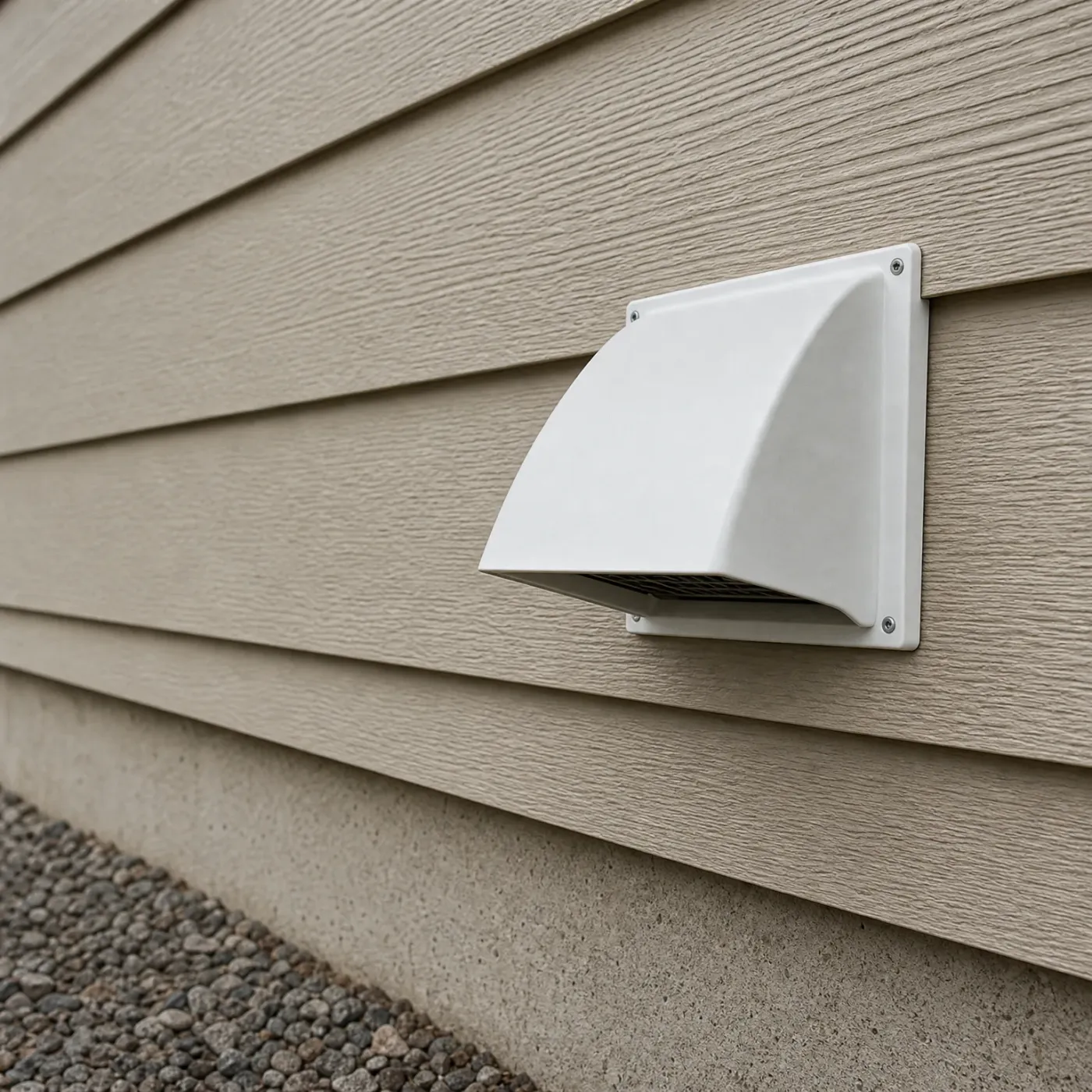
A metal hooded dryer vent with a louvered opening mounted on beige horizontal lap siding above a concrete foundation wall.
After you get your dryer vent cleaning

What a blocked vent does to the dryer

A dryer is built to push hot air out through the vent in a steady flow. When lint narrows that path, the air backs up instead of escaping, and the heat has nowhere to go but back toward the drum and the heating element. That trapped heat is what lint needs to catch. Gas dryers add a flame to that same airflow, so a slow vent puts heat and a flame source in the same crowded space. Electric dryers run their element hotter to compensate, which does the same thing without the flame.

A sign you can check yourself

Run the dryer and feel the outside vent hood where it lets out. If air is barely moving, or you feel heat but little airflow, the line is restricted somewhere between the drum and the outside wall. A full cycle that leaves clothes damp or the dryer hot to the touch on the outside panel points the same way. Nebraska's humid summers already make clothes take longer to dry, so a slow cycle is easy to blame on the weather when the real cause is lint sitting in the duct.

A smiling man in a navy long-sleeve shirt sits at a wooden table in a kitchen and dining area, with a ceramic mug, a potted plant, and a sliding glass door behind him.
A smiling bearded man in a green henley shirt stands at a kitchen island with a gray mug, looking off to the side, with a dining area and shelves blurred behind him.
A smiling bearded man in a navy sweater sits at a white kitchen island with a ceramic mug, with open shelves, potted plants and a range hood behind him.
A smiling man in a dark olive long-sleeve shirt sits in a kitchen beside a counter with a dark mug, with a dining table, sideboard and hallway visible in the blurred background.
A white hooded exterior vent cover with a screened opening mounted on beige lap siding above a concrete foundation and gravel strip.

Let someone else find the pro

Skip calling around for someone who cleans dryer vents.

One request and the dryer vent cleaning stops waiting on you.

Answer a few questions

Asking costs nothing, and the choice to hire stays yours.

Does your dryer vent show these signs

Clothes coming out hot to the touch after a full cycle, or still damp even though the dryer ran the whole time. You run a load twice to get it dry, and the laundry room feels warmer than it used to, almost humid. The outside vent hood barely moves when the dryer is running, where it used to flap steadily. Lint around the edge of the hood outside, or a burnt smell when the dryer has been going a while. Any one of these on its own might not mean much, but together they point to a vent that's not clearing air the way it should, and that's how heat builds up where it shouldn't.

A white louvered dryer vent hood mounted with four screws on beige horizontal lap siding above a gray stucco foundation and concrete walkway.

Clear and venting properly

Air moves through this hood without resistance, carrying the heat and moisture out with it. The louvers open when the dryer runs and close when it stops, which keeps outside air and pests from coming back in through the line.

A white plastic dryer vent hood mounted on beige horizontal vinyl siding, with lint clogging its lower opening and a concrete foundation below.

Blocked and holding heat

This opening is packed with lint and barely moves air anymore. The dryer behind it is working against that blockage every load, and the heat that should be venting outside is building up in the line instead.

Power costs 12.05 cents per kilowatt-hour statewide

At 12.05 cents a kilowatt-hour, power here is cheap, which is exactly why a clogged vent is easy to miss. A struggling dryer in Nebraska doesn't show up as a painful bill, so the only warning you get is the heat and the lint, not the cost.

EIA-861 2025 statewide residential average

Where this leaves you

  • A clogged dryer vent is a real fire risk in any Nebraska home, built up load by load from the lint a dryer leaves behind.
  • Hot clothes, a long cycle, and a warm laundry room are signs the vent is already blocked, not just normal wear.
  • The dryer itself pays the price first, working harder and running hotter long before the fire risk shows up.
  • A cheap power bill in Nebraska hides the strain instead of warning you about it.
  • Clearing the line is the only way to stop lint from building past the point you can catch by sight or smell.
  • Skipping the search for a contractor means you're not calling around, explaining the problem twice, or sorting through quotes to get this done.

A clogged dryer vent is a fire risk, and the lint that causes it builds up the same way in every Nebraska home, one load at a time. You don't need a special reason to check. Hot clothes at the end of a cycle, a dryer that runs long, a laundry room that feels warmer than it should, those are the vent telling you it's already partway blocked. The dryer feels this before anything else does. It runs hotter and works harder to push air through a narrowing line, and that strain sits there quietly because power here is cheap enough that the bill won't flag it for you. By the time you smell something or see lint at the hood, the line has been struggling for a while. Clearing it is the only way to get ahead of that, since nothing about how the dryer looks or sounds from the laundry room tells you how much has built up inside the vent itself. Once you know the risk is real, the next step is getting someone out to clear the line, and that's usually where the delay happens. Not because the job is hard to do, but because finding someone to do it takes its own time: looking up contractors, calling around to see who's available, explaining the same problem more than once, weighing quotes against each other. Sending the form here skips all of that. You're not left doing the legwork of finding help on top of everything else.


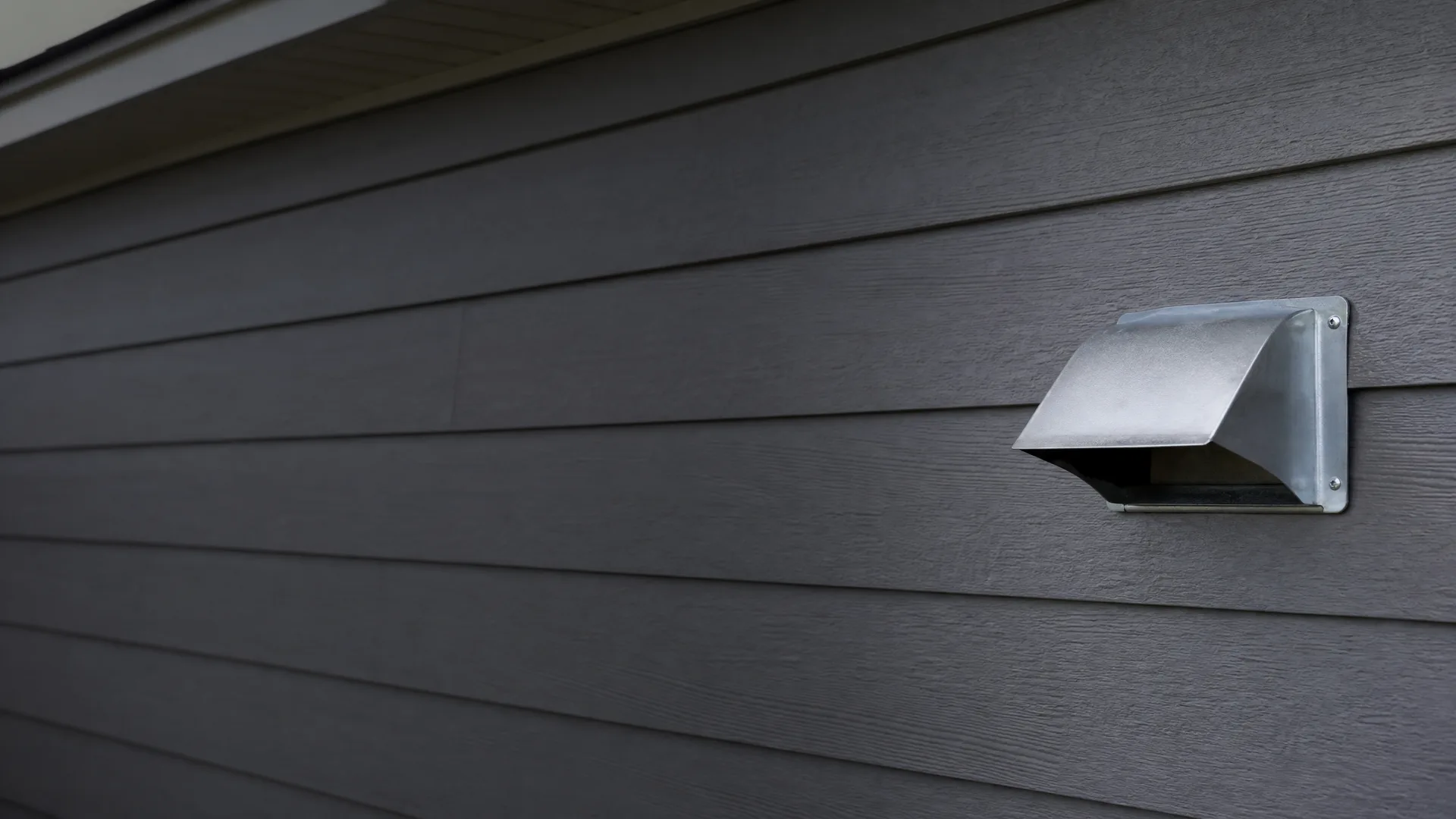
A metal hooded exterior vent cover mounted on dark gray horizontal lap siding, photographed at an angle along the wall.

One request and it's handed off

Answer a few questions about the dryer vent cleaning and skip the search.

Duct and vent cleaningNebraska
Step 1 of 3

What kind of equipment?