Is a clogged dryer vent a fire risk in Omaha, NE

Once you send the form, finding a pro is off your list.

Hand it over

Is a clogged dryer vent actually a fire risk?

You run a load of laundry and notice the dryer is taking longer than it used to, or the top of the machine feels hot to the touch. Someone mentioned lint buildup causes house fires, and now you're wondering if that's really true or just something people say. You want to know if this is a real risk in your house or just an exaggerated warning.

Yes, a clogged dryer vent is a leading cause of house fires

Lint is the fuel. It builds up inside the vent line every time you dry a load, and it catches fire easily once it collects near the heating element. A clogged vent traps hot air inside the duct instead of pushing it outside, so the dryer runs hotter and the lint sitting in that line gets closer to its ignition point with every cycle. This is why a dryer that takes two or three cycles to dry a load is worth paying attention to. It is not just running inefficiently. Heat and lint are building up somewhere between the drum and the outside wall, and that combination is what starts fires. The longer a vent goes without cleaning, the more lint accumulates and the higher the risk climbs.

A smiling bearded man in a dark green henley shirt sits on a blue-gray couch in a living room, with a bowl of popcorn in the foreground and a houseplant and window behind him.
A smiling man in a dark sweatshirt reclines on a gray sofa in a living room, with a wooden bowl of popcorn on a table in the foreground and a dining area, shelving, and pendant lamp behind him.
A smiling man in a navy long-sleeve shirt reclines on a sofa in a living room, with a bowl of popcorn on a wooden coffee table and framed pictures on the wall behind him.
A smiling man in a dark green long-sleeved shirt sits on a gray sofa in a living room, with a bowl of popcorn in the foreground and windows and a potted plant behind him.

Why does lint risk look different for your household?

  • 2.43 people per household on average

    Households here average 2.43 people, which means more loads through the dryer each week and more lint moving through the vent than a single-person home sees.

  • Half the homes here were built by 1977

    Half the homes in Douglas County were built in 1977 or earlier. A vent run that old has had decades to collect lint in bends and joints you can't see.

  • Power here costs 13.13 cents per kilowatt-hour

    Electricity here runs 13.13 cents per kilowatt-hour, cheap enough that a dryer working harder to push air through a clogged vent won't show up fast on your bill.

ACS 2020-2024 · EIA-861 2025

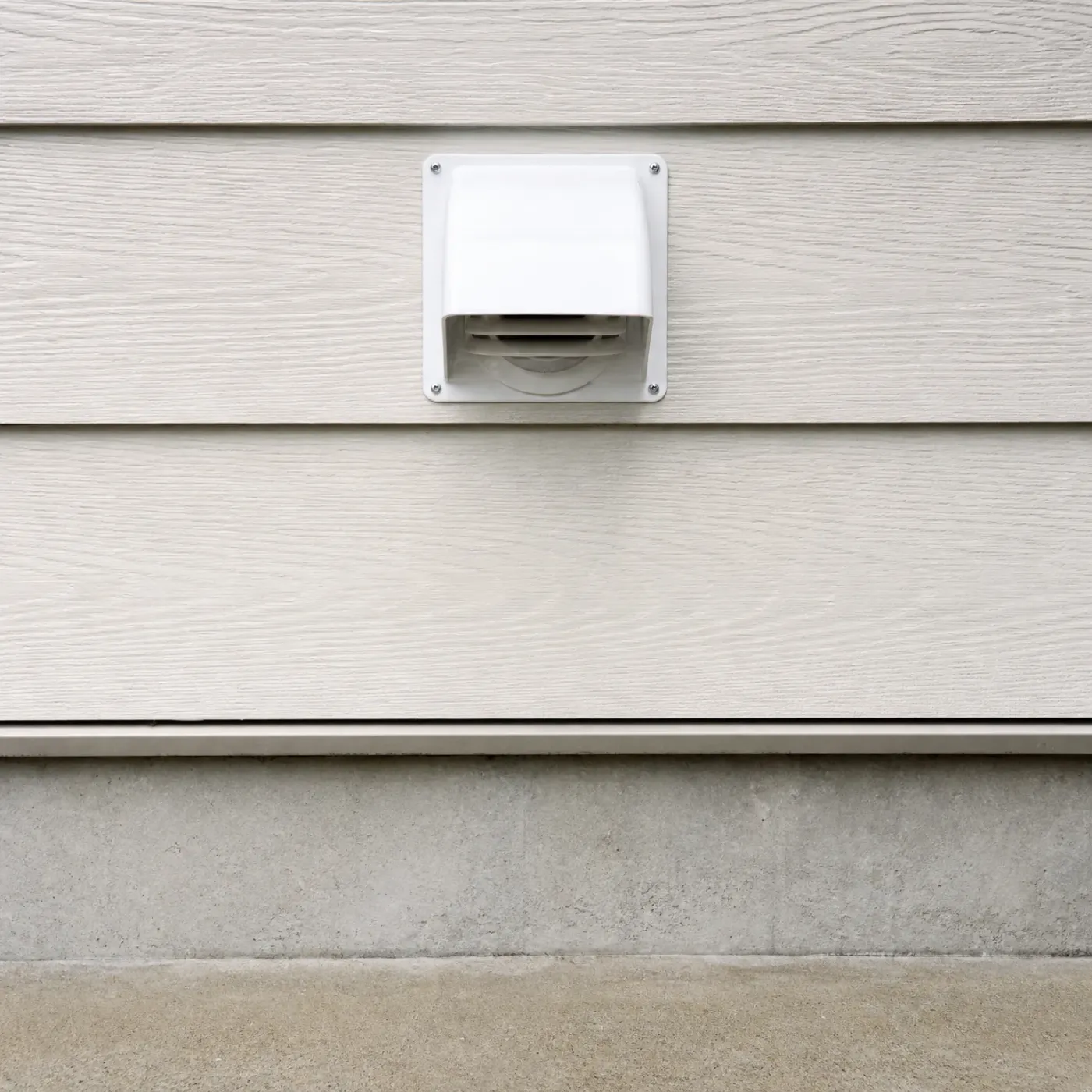
A white hooded dryer vent with a louvered flap mounted on beige horizontal lap siding above a concrete foundation wall.

Venting clean

Air should push those flaps open hard enough that you can feel it from a few feet away, and they should snap shut when the dryer stops. A clean vent lets the dryer run its full cycle and shut off on schedule, no extra heat building up behind it.

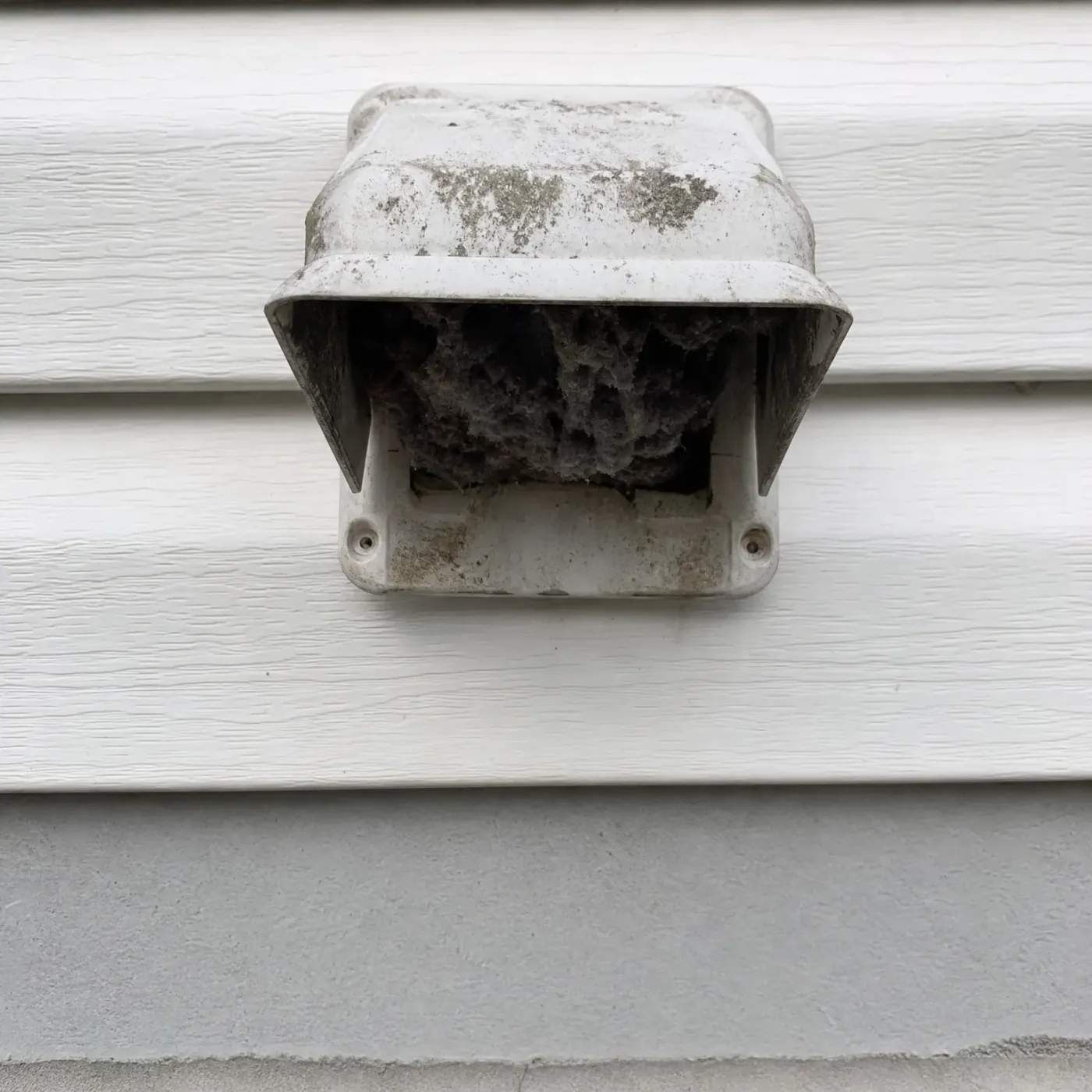
A white plastic dryer vent hood on horizontal lap siding, clogged with thick gray lint and dirt, above a lighter concrete foundation wall.

Venting clogged

When lint packs the opening like this, the flaps barely move and the air has nowhere to go. That heat stays in the duct instead of venting outside, and lint is exactly what catches first. The dirt and mildew on the cap are a sign it's been building for a while.

Clear It Yourself or Call It In

Clean the vent yourself

  • A vent brush kit reaches most straight runs and clears lint you can see sitting in the duct near the wall.
  • You can check the outside hood while the dryer runs to see whether the flaps open wide and air pushes out hard.
  • It costs you only the price of the brush kit and your own time on a Saturday afternoon.
  • A long run with bends, or a vent that goes up through a roof instead of straight out a wall, is harder to clear with a hand brush alone.
  • If the clog sits past where your brush reaches, you may clear the near end and still have buildup further down the line.
  • There's no one checking the full length of the duct afterward to confirm it's clear from the dryer to the outside hood.

Have it professionally cleaned

  • A contractor working dryer vents in Douglas County every week has seen what a two-story vent run or a rooftop exit usually traps and where.
  • Professional equipment reaches the full length of the duct, including bends and sections a hand brush can't get into.
  • One contractor handles the job, so you're not fielding calls from several companies after you ask for help.
  • A full cleaning clears the line from the dryer connection to the outside hood, not just the section nearest the machine.
  • Someone who does this regularly can tell you if the vent material or the route itself is adding to the risk, not just the lint.
  • You get a dryer that vents like it did when it was new, with the flaps opening hard and the cycle running its full time again.
A white plastic hooded dryer vent with a louvered opening mounted on gray horizontal lap siding, beside a plain light-colored wall surface.

How lint actually starts a fire

Lint is dry and ignites easily. The dryer's heating element sits right at the point where air enters the drum, so any lint that collects there is close to a heat source already. When the vent run is restricted, hot air backs up instead of exhausting outside, and the air around that element gets hotter than it should. Enough heat against a bed of lint is what starts a fire, not a spark or a short, just trapped heat with fuel sitting right next to it.

A white hooded dryer vent cover screwed to beige horizontal lap siding on an exterior house wall, with a blank wall at left.

What a blocked vent does to the motor

A dryer is built to push air out through a given length of duct, and the motor works harder when that path is restricted. Restricted airflow makes the motor run hotter and the heating element cycle longer to get clothes dry, since the moist air isn't leaving fast enough. Over many loads, that extra strain adds up. It's also why a vent that's been neglected for a long stretch tends to show both problems at once, a hot dryer and a slow one.

What's going on with your dryer right now

Towels come out warm instead of dry, so you run the cycle twice. The room gets warmer than it should while the dryer runs, and the outside hood barely moves air when you hold your hand near it. Lint shows up around the lint trap door or on the floor behind the machine. The dryer clicks off in the middle of a cycle because it's overheating. Any one of these means air isn't moving through the vent the way it should, and the lint that isn't blowing outside is building up somewhere in the duct, close to the heating element. Left alone, that's how a dryer vent starts a house fire.

A pile of beige, blue, and gray towels sits on top of a white dryer beside a window with green foliage outside, against a dark wall.

It's almost nine on a Tuesday and you're still in the laundry room. The dryer's been running since before dinner and the towels on top of it are still damp, piled there because you pulled them out to check and gave up. The room is warmer than the hallway. You press a hand to the top of the machine and pull it back. Outside, past the kitchen window, the vent hood sits still against the siding. You stand there a second, listening to the drum turn, doing the math on how many more cycles this is going to take, and decide the load can wait until morning.


One request and it's handed off

The pro who gets in touch is licensed in Nebraska and works in Douglas County.

No fee to send it, and nothing to sign.

What a clean vent looks like

A load of towels comes out dry in one cycle, and the room stays close to the same temperature it started at. The outside hood flaps open wide enough to feel the air push against your hand, and they fall shut within a few seconds of the dryer stopping. No lint collects around the hood edges between cleanings. You can run the dryer and leave the room without thinking about it, because the air moving through is doing what it's supposed to do and nothing is sitting there building up heat.

What a blocked one looks like

The same load takes two cycles, sometimes three, and you've stopped trusting the timer so you check by hand. The laundry room holds heat the whole time the dryer runs, and the hood outside barely moves air even on high heat. Lint gathers at the hood and sometimes just inside the door where you can see it. The dryer shuts off on its own partway through more than once, tripping its limit switch because the air isn't getting out fast enough to carry the heat away.

2.43 people per household on average

With close to two and a half people in the average household here, your dryer is likely running several loads a week, not one or two. More loads means more lint heading into that vent between cleanings, so the buildup you're picturing from a single load adds up faster than you'd think.

ACS 2020-2024

A white hooded dryer vent with a square mounting plate fastened to beige horizontal lap siding above a concrete foundation wall.

Vent clear and capped

The hood sits flush against the siding and the flaps move freely when the dryer kicks on. Air pushes out hard enough to feel from a few feet away. Nothing sits packed against the screen, so the dryer isn't working against any resistance to push air out.

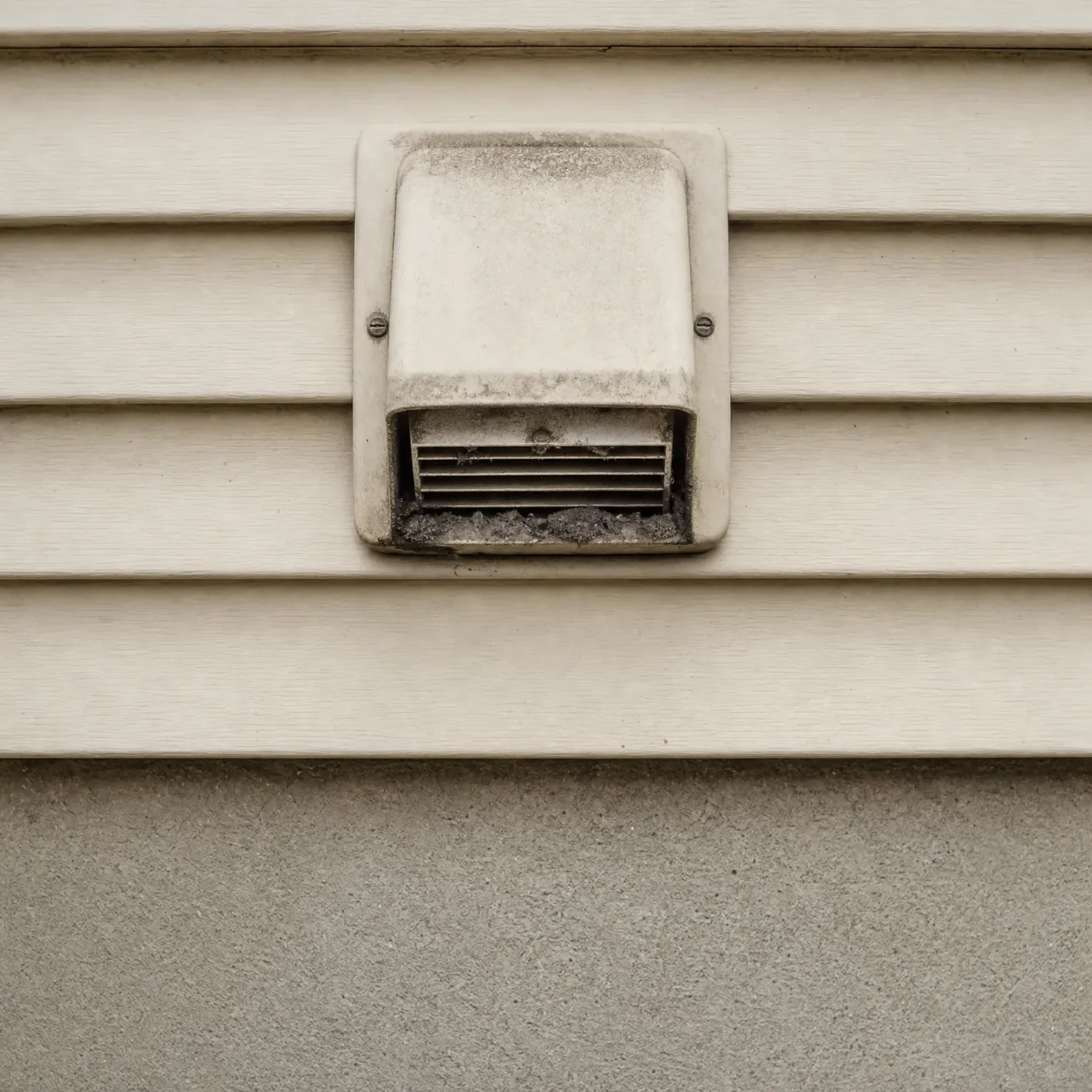
A dusty plastic louvered dryer vent hood screwed into beige horizontal vinyl siding above a gray stucco foundation wall, with lint buildup around the slats.

Vent packed with lint

Lint has built up around the louvers until the opening is mostly closed off. The flaps barely move, if they move at all, because there isn't room for air to force them open. That buildup sits right where hot, lint-filled air is trying to escape and has nowhere to go.

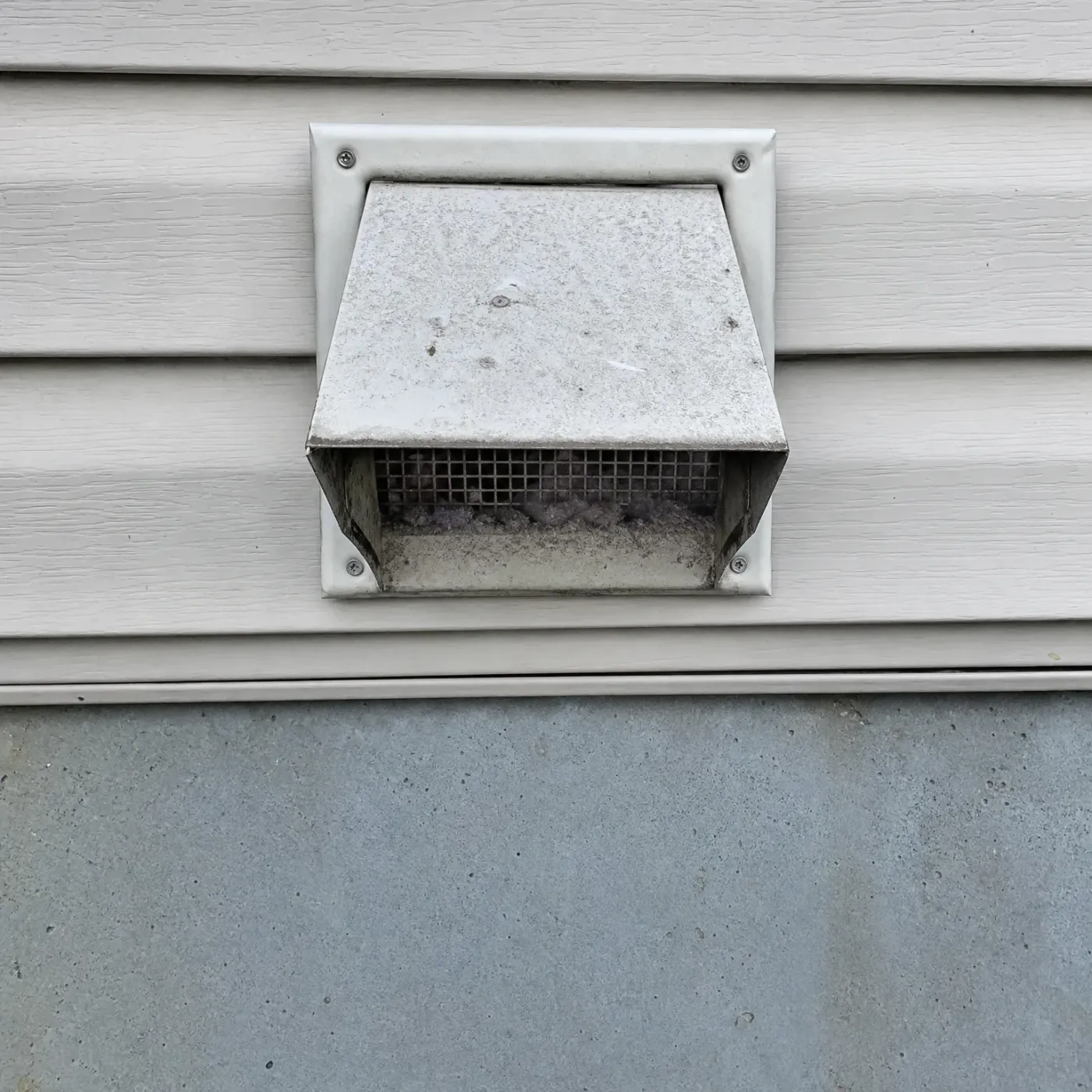
A metal dryer vent hood with a screened opening clogged by gray lint, mounted on light gray horizontal vinyl siding above a concrete foundation wall.
Before you get your dryer vent cleaning
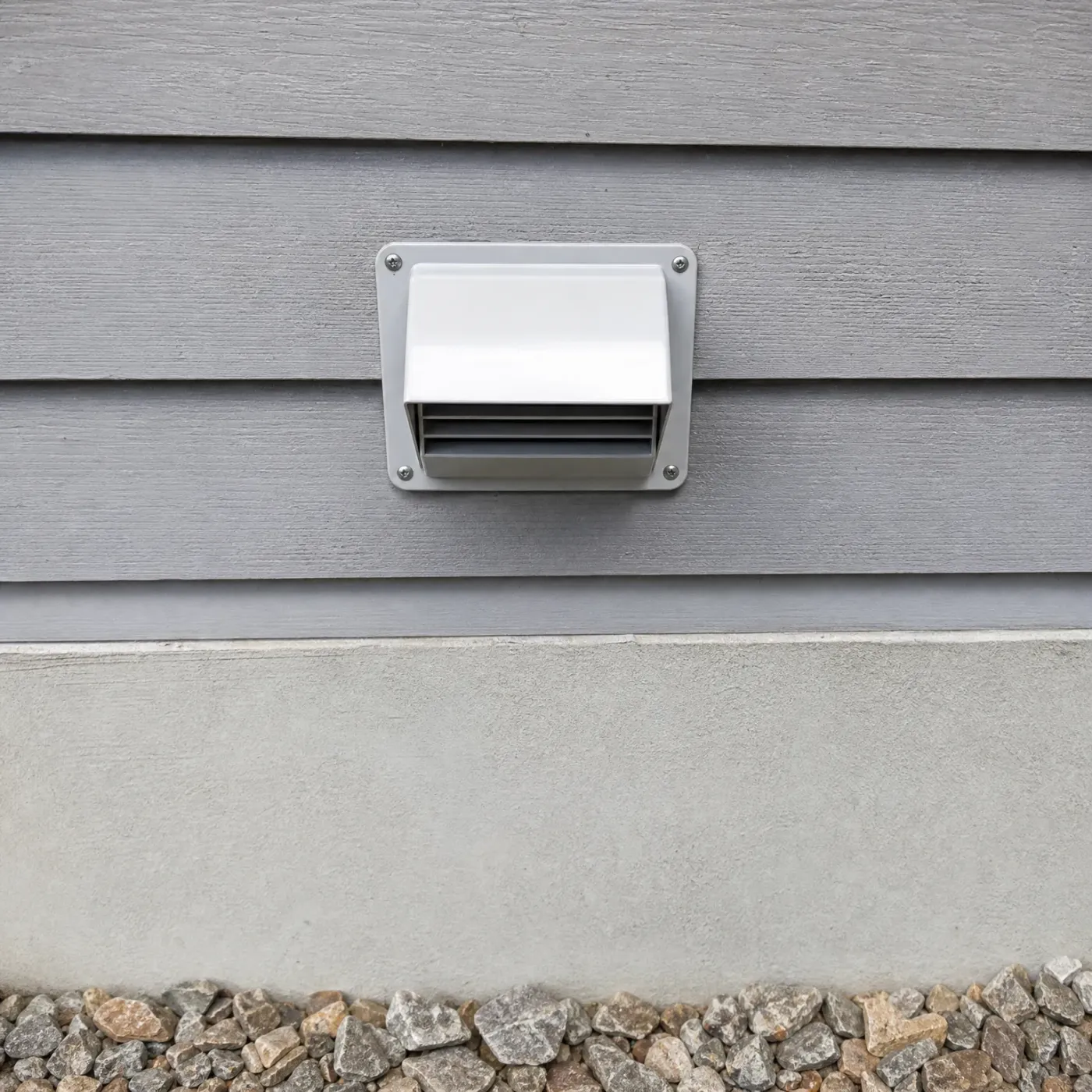
A white hooded louvered vent screwed to gray horizontal lap siding above a concrete foundation wall, with gravel along the ground.
After you get your dryer vent cleaning
  1. Lint builds up fastest at the bends and the hood flap.

  2. Airflow drops, so the drum stays hot longer each cycle.

  3. Heat and lint collect near the heating element at the drum inlet.

  4. A spark or hot spot can ignite the trapped lint.

A woman in a cream knit sweater reclines on a sofa with her eyes closed and a slight smile, a closed dark book resting on a blanket in the foreground and a lit lamp and small potted plant behind her.
A smiling bearded man in a dark green sweater sits at a dinner table with a glass of red wine, a bowl of salad and a lit candle in the foreground, in a dimly lit room with a framed picture, lamp and potted plants behind him.

Where That Leaves Your Dryer

  • A clogged dryer vent is a real fire risk, not a maybe, once lint piles up near the heating element and airflow can't carry the heat out.
  • Towels taking two cycles, a hot laundry room, and a hood flap that barely moves are the signs your vent is already restricted.
  • A local contractor who clears vents all over Douglas County every week knows which bends and hood styles trap lint worst in homes like yours.
  • Sending one request means one licensed contractor calls, not a string of companies competing for the job.
  • A full cleaning clears the entire run from the drum to the outside hood, not just the section you can reach yourself.
  • Once the vent is clear, the dryer goes back to running one cycle per load and shutting off on its own schedule.

A clogged vent is not a small inconvenience you work around. It sits a dryer's heat source next to a pile of dry lint with nowhere for the heat to go, and that is how a laundry room fire starts. The signs you have noticed, the second cycle, the warm room, the hood flap that will not open, are the vent telling you it is already restricted before anything worse happens.

Clearing it is not a job that ends at the wall. The run goes from the drum to the hood outside, through bends that trap lint a brush from the hardware store never reaches. Someone who clears vents across Douhlas County homes every week has seen which bends and which hood styles clog first, and knows the full length needs to be open, not just the part you can see.

Send one request and one licensed contractor local to the area calls you back, not several companies working the same lead. That contractor clears the whole run, drum to hood, and checks that the hood flaps swing open and shut the way they should. After that, a load of laundry goes back to being one cycle. The dryer shuts off on its own schedule, the room stays at room temperature, and the risk that brought you here is gone, not reduced.

A metal hooded wall vent with a louvered opening mounted on gray horizontal lap siding, with green shrubbery blurred in the dark background.

Done looking for a dryer vent pro

Duct and vent cleaningDouglas County, NE
Step 1 of 3

What kind of equipment?