Is a clogged dryer vent a fire risk in Grand Island, NE

Hand it off

Yes, and in Hall County it is worth taking seriously. Lint builds up fast, and a vent that runs long or has a few bends traps more of it with every load. A clogged vent keeps heat and moisture from escaping, and that heat has nowhere to go but back into the dryer. You might already notice the signs: clothes that take two cycles to dry, a dryer that feels hot to the touch, a burning smell that was not there before. You do not need to figure out how bad it is yourself. Fill out the form and a local contractor who clears vents like this all the time takes it from there. It is one contractor, not a handful of companies calling you back, and the search stops being something you have to manage. You go from wondering about your vent to having someone look at it, without spending your evening on the phone.

Is a clogged dryer vent really a fire risk in Grand Island, NE?

Dryer vents get mentioned in passing, usually as a chore to get to eventually. But fire risk is a different question, and it is the right one to ask. Loads are taking longer to dry, or you noticed the outside vent flap barely moves when the dryer runs. Before you decide whether this is worth doing anything about, it helps to know what actually happens inside that vent when it clogs, and why it matters in a house in Hall County specifically.

Yes, lint is combustible and a blocked vent traps heat where it can ignite

Lint is paper thin and dry, and it sits right next to the heating element every time the dryer runs. A clear vent carries that lint outside with the hot air. A clogged one doesn't, so lint keeps collecting inside the duct and around the drum, closer and closer to the heat source. Eventually the dryer is pushing hot air into a space it can't escape, and that is how vent fires start. In Hall County this risk doesn't let up with the seasons. Dryers run just as often in July as in January, so a vent that's been filling with lint for months is carrying the same risk in the heat of summer as it is through a hard winter.

  1. Lint builds up inside the vent duct with every load

  2. Airflow slows, so the dryer runs hotter than normal

  3. Heat has nowhere to vent and builds up inside the duct

  4. Trapped lint ignites against the dryer's heating element

Why does vent fire risk matter more for your house?

  • 2.51 people per household on average

    Hall County households run 2.51 people on average, and that often means loads of laundry run back to back, giving lint less time to be noticed before it builds up.

  • Half the homes here were built by 1975

    Half the homes in Hall County were built in 1975 or earlier. Vent runs in older houses tend to be longer or routed through more turns, and both trap more lint.

  • Power here costs 10.34 cents per kilowatt-hour

    Electricity here runs 10.34 cents per kilowatt-hour, cheap enough that a dryer working harder through a clogged vent rarely shows up as a reason to look twice at the bill.

ACS 2020-2024 · EIA-861 2025

Signs Your Vent Is Already Struggling

  • A dryer that takes two or three cycles to dry a load is already working against a partial blockage.
  • The back of the dryer and the vent hood outside can feel hot to the touch when lint is trapping heat inside the duct.
  • A burning or hot smell during a cycle means heat is building up somewhere it shouldn't.
  • Lint collecting around the outside vent hood or flap is a sign it isn't pushing air out the way it should.
  • Clothes that come out hotter than usual at the end of a cycle point to airflow that isn't escaping properly.
  • A laundry room that feels warmer or more humid than the rest of the house during a cycle often means the vent isn't clearing that air outside.

Most of this shows up in the laundry room before anyone thinks to check the vent itself. A load that used to take forty minutes now takes two cycles, and it is easy to blame the dryer before you blame the duct. Go out and touch the vent hood on the outside of the house while a load is running. It should feel like warm air moving, not like a surface that is holding heat. If it is hot, or if the back panel of the dryer itself is warmer than usual, the air isn't making it outside, and the heat is staying in the duct instead. A burning smell is a step past that. It means lint is sitting somewhere close to the heating element and starting to scorch, not actually catching, but close enough that it belongs on your list for the week. Check the outside vent flap too. It should open when the dryer is running and close when it isn't. Lint caught in the flap, or lint visible just inside it, means the duct is holding more than it's clearing. Even the laundry room itself tells you something. If it runs noticeably warmer or more humid than it used to during a cycle, that is air that should be going outside and isn't. None of these alone means a fire is coming, but together they mean the vent is carrying less air than it was built to carry, and that gap only grows with every load.

A smiling bearded man in a dark blue henley shirt sits leaning back on a light grey sofa in a living room, with a bowl of popcorn on a wooden coffee table and a large window behind him.
A bearded man in a dark quarter-zip sweater sits smiling on a brown sofa in a dimly lit living room, with a bowl of popcorn and a mug on a table in the foreground and a potted plant near a window behind him.
A smiling man with graying dark hair and a beard, wearing an olive sweater, sits on a sofa in a living room beside a bowl of popcorn on a wooden table.
A smiling man in a dark green henley shirt sits on a gray sofa in a living room with a lit table lamp, wooden shelving unit, and a bowl of popcorn in the foreground.

Cleaning it yourself

You can pull the dryer out, disconnect the duct, and vacuum out what you can reach from both ends. That gets the lint sitting right at the drum and right at the hood, and for a short straight run it might be all the duct needs. But most runs have at least one bend, and a shop vac hose only reaches so far around a corner. Lint that has packed down further in stays put. You also will not know how much is left behind, since there is no way to look through several feet of duct. It is worth doing between cleanings, but it is not the same as clearing the full length.

Having the vent cleaned

A contractor who does this work brings a rotary brush or an air whip sized to your duct, long enough to reach every foot from the dryer to the hood, including through bends. That clears lint a shop vac cannot reach and gets the duct back to full airflow, not just the parts near either end. Someone who works on vents across Hall County all season also knows which setups clog fastest, like long runs or ones with several turns, and checks those spots first. It takes the guessing out of it. You find out the duct is actually clear, instead of hoping it is.

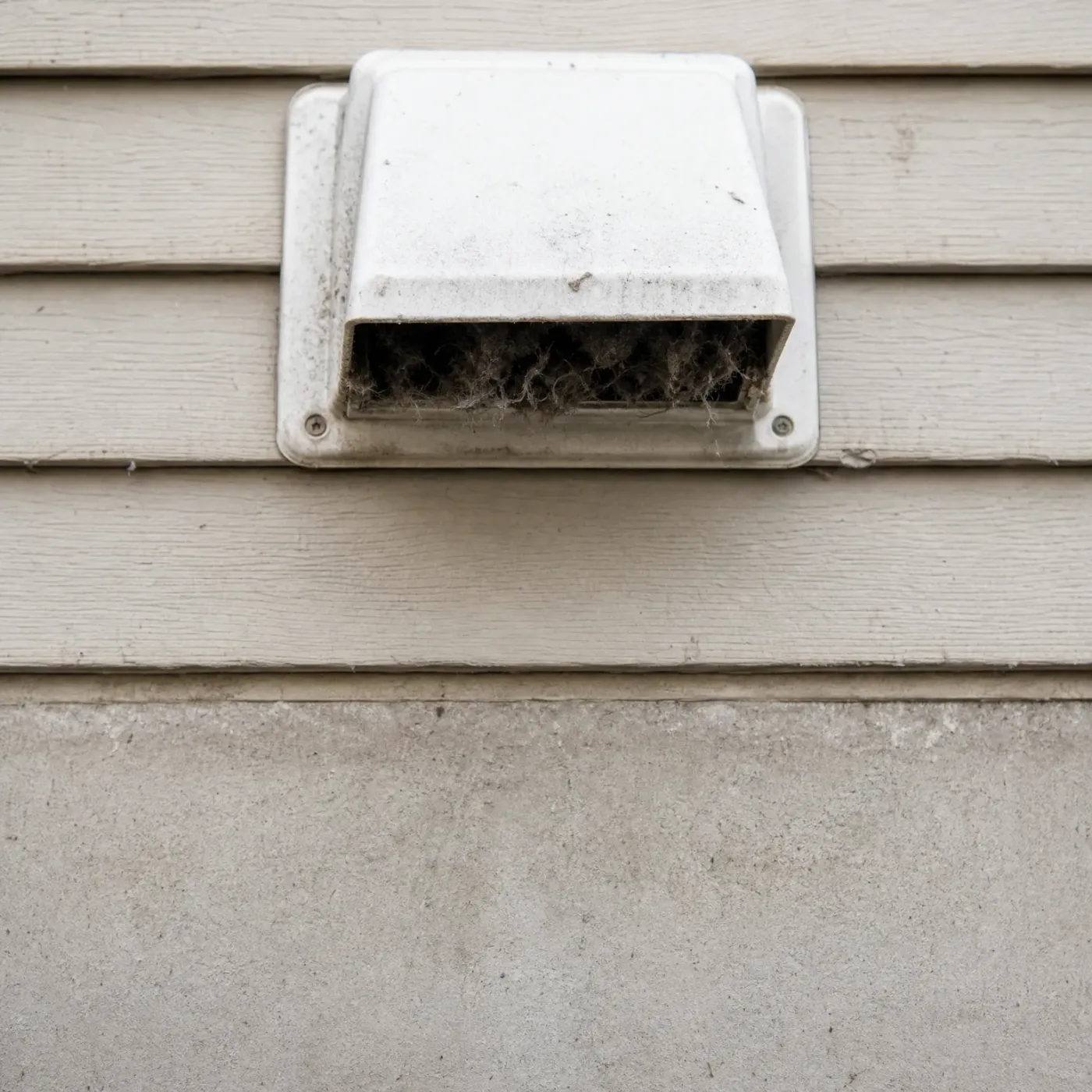
A white plastic dryer vent hood clogged with grey lint, mounted on beige horizontal lap siding above a concrete foundation wall.
Before you get your dryer vent cleaning
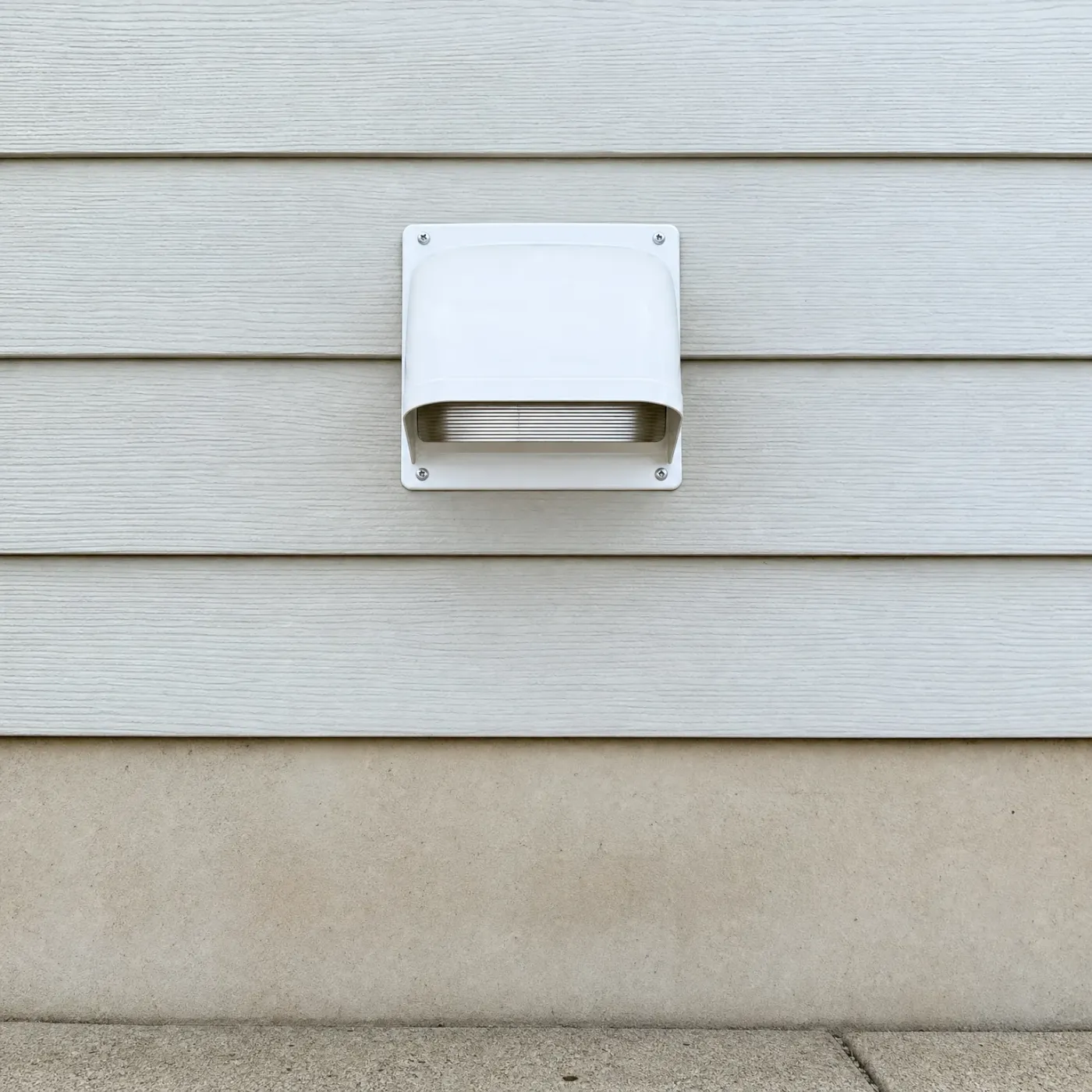
A white hooded dryer vent with a louvered opening mounted on light beige horizontal lap siding above a concrete foundation and sidewalk.
After you get your dryer vent cleaning
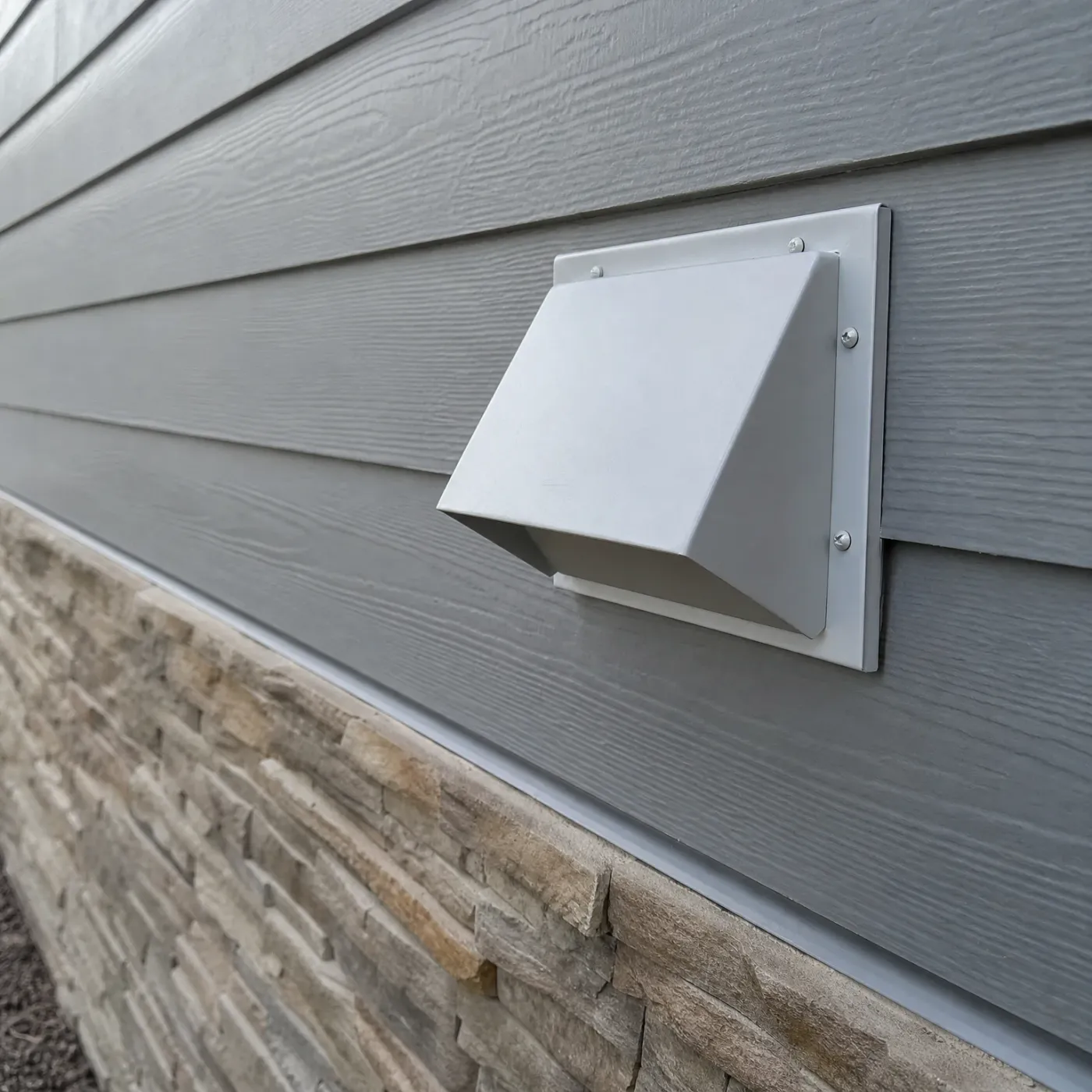
A white hooded exterior vent cover screwed to gray horizontal lap siding above a stacked stone veneer base.

Stop chasing a dryer vent pro

The pro who gets in touch is licensed in Nebraska and works in Hall County.

After this form, you can stop searching for a dryer vent pro.

Get one local pro

No charge to send it. You decide if you hire them.

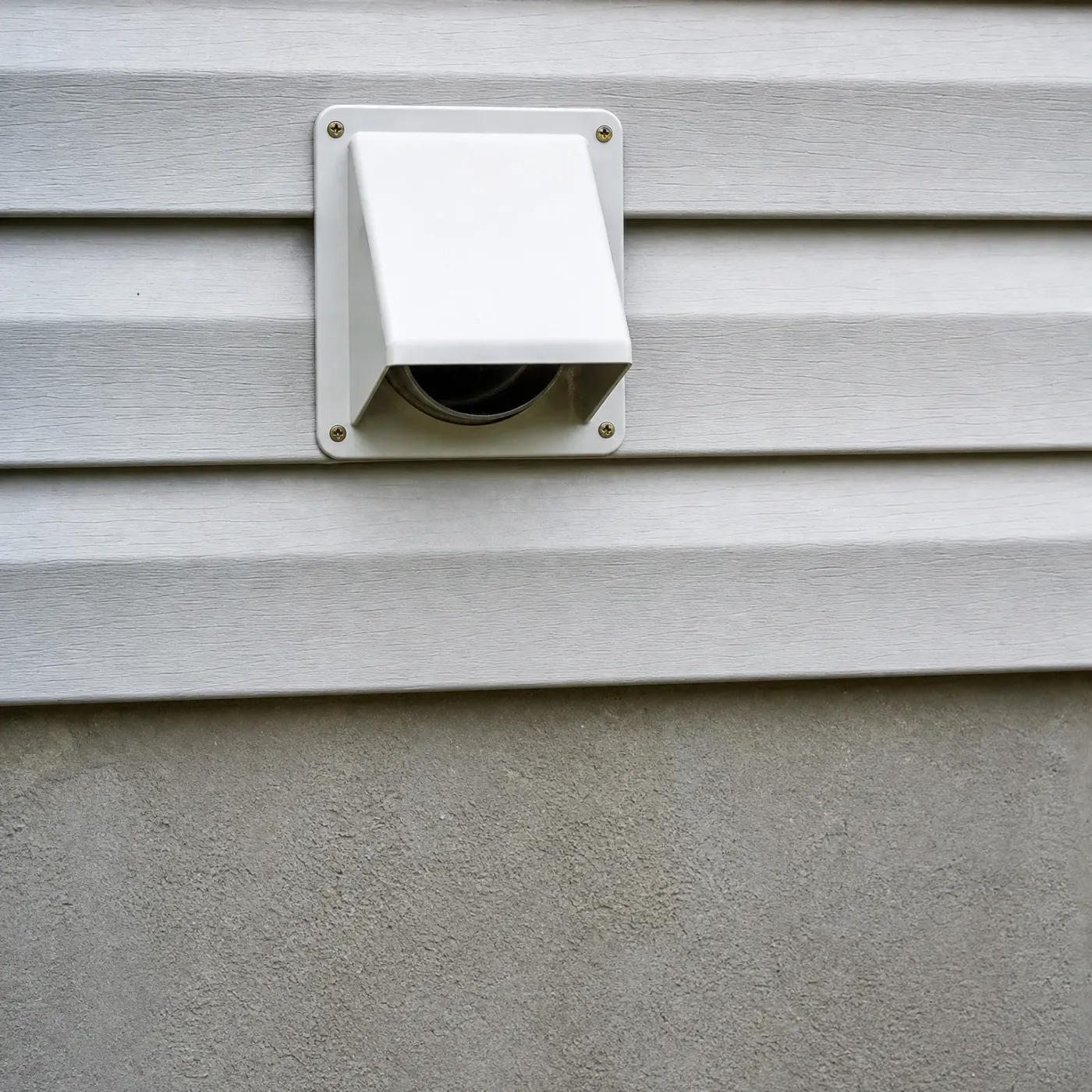
A white hooded dryer vent with a square mounting plate screwed onto light gray horizontal vinyl siding, above a gray stucco-textured lower wall.
A vent like this one is doing its job. Air pushes the flap open on its own and closes it again between loads.
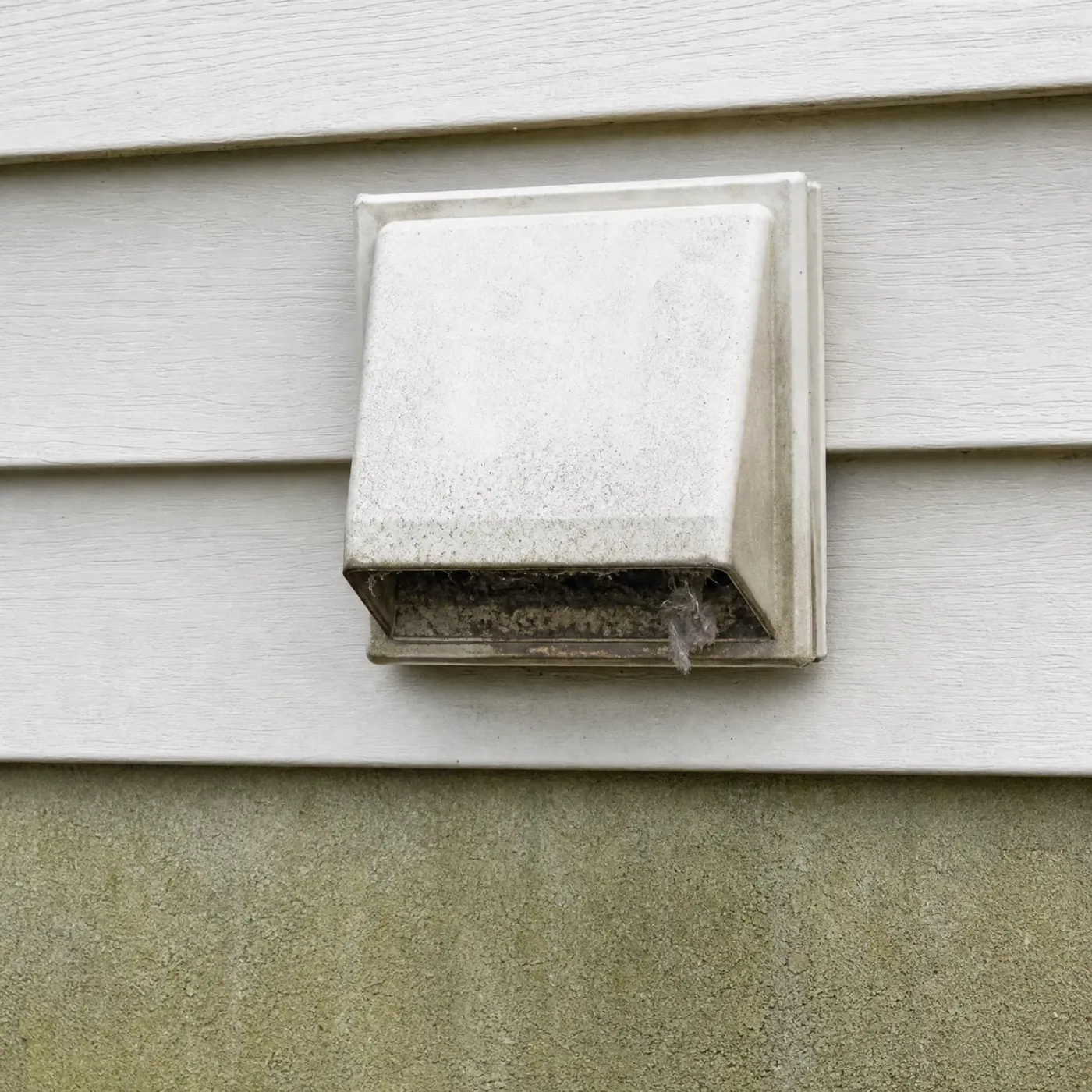
A white plastic dryer vent hood mounted on light-colored horizontal lap siding, with lint caught in its lower opening and a green-stained foundation wall below.
Lint packed into the flap like this blocks airflow and gives the dryer's heat a place to sit and build.
A pile of beige, navy, and teal towels sits on top of a washer or dryer in a dim laundry room with a window and an upper cabinet.

It's almost nine on a Tuesday and you're still in the laundry room because the towels wouldn't dry. This is the third run. You pull the door open and pile the damp heap on top of the dryer while it ticks and cools, and the room feels warmer than it should, a little close, like the air isn't moving right. You press a towel to your cheek. Still damp at the fold. Through the wall you can hear the wind picking up outside, the kind of Hall County evening where you'd rather be anywhere but standing here running a load a fourth time, wondering why a machine that used to take forty minutes now can't finish the job.


Clear Vent vs. Clogged Vent

Vent clear

  • A full load of laundry dries in one cycle instead of two or three.
  • Air pushes the hood flap open while the dryer runs and the flap falls shut again when it stops.
  • The duct behind the dryer and the hood outside stay close to room temperature during a cycle.
  • Lint collects mostly in the trap, where you can see it and pull it out after every load.
  • The dryer's heating element cycles on and off the way it was built to instead of running long and hot.

Vent clogged

  • Lint packed into the duct keeps the hood flap from opening fully, so less air leaves with every load.
  • Heat that should vent outside sits in the duct and pushes back toward the drum and the heating element.
  • A load takes two or three runs to dry, and the dryer runs longer each time to try to finish it.
  • The hood outside and the duct near the dryer can feel hot to the touch partway through a cycle.
  • A burning or hot smell during a cycle means lint is sitting against a heat source it was never meant to reach.
  • Lint that built up over many loads sits packed in the duct where you cannot see it or pull it out by hand.
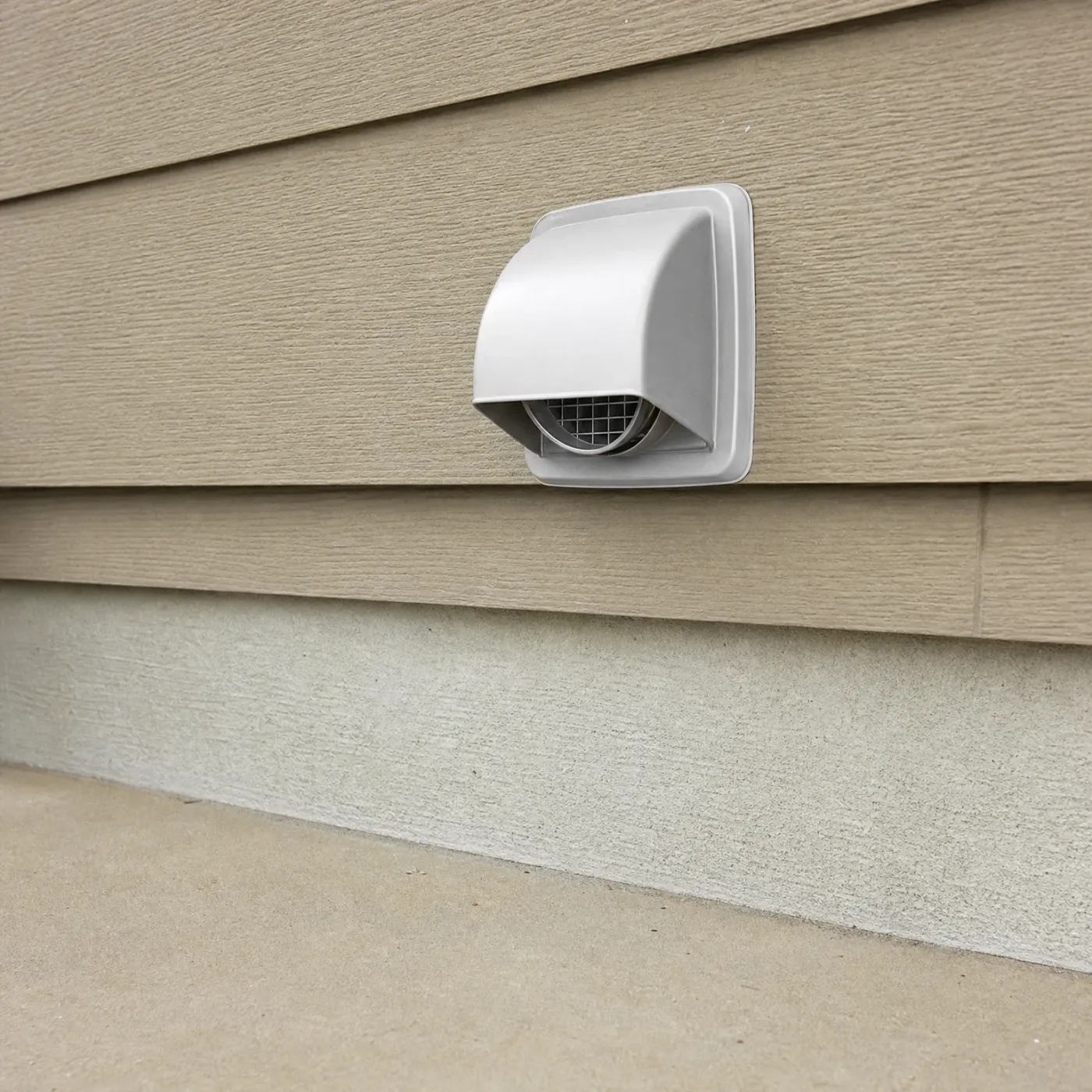
A white hooded dryer vent with a grille mounted on tan horizontal lap siding above a concrete slab.

Clear and venting properly

Air pushes this flap open on its own while the dryer runs. The mesh screen keeps birds and mice out without blocking the exhaust. Behind it, heat and moist air are leaving the house the way they're supposed to, load after load.

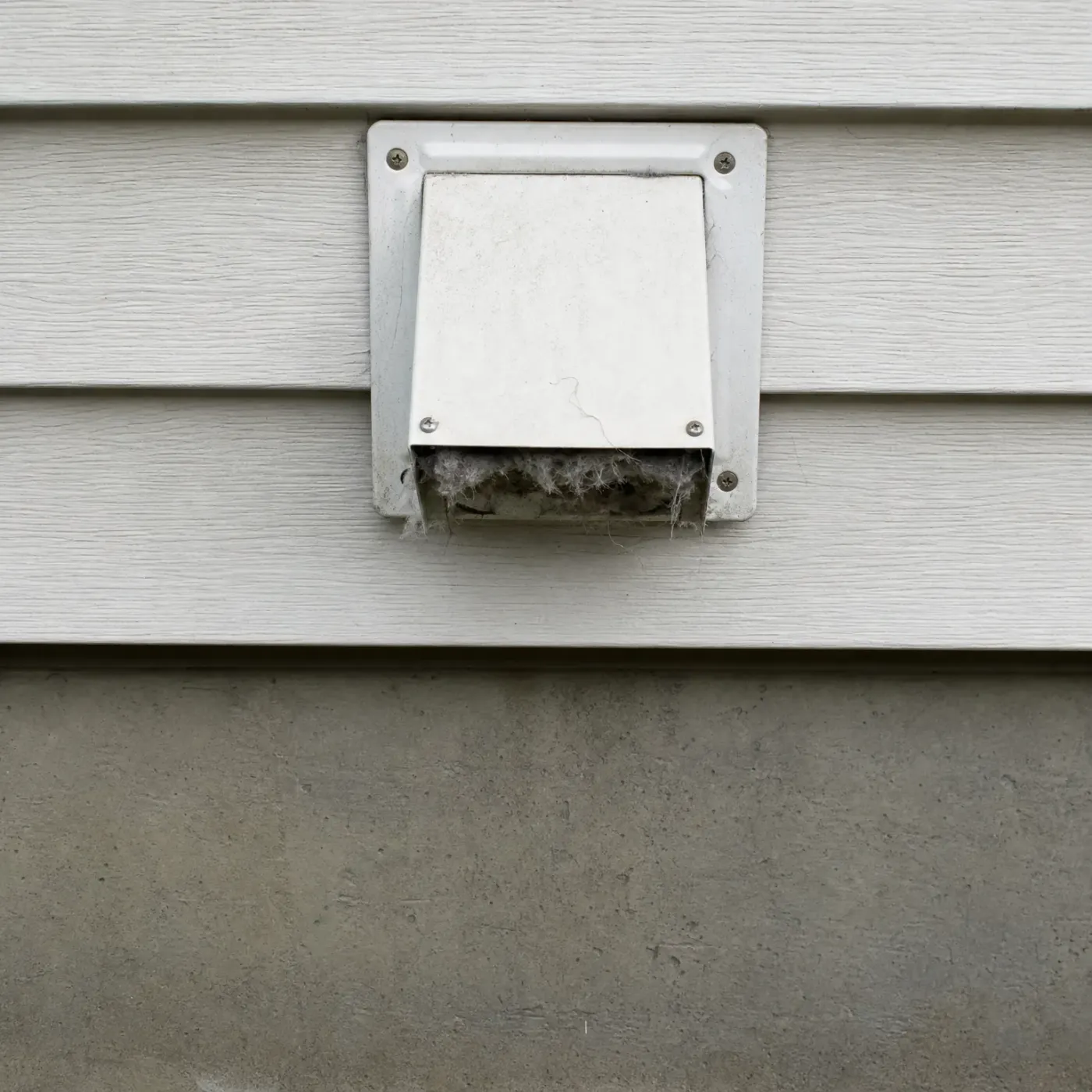
A white plastic dryer vent hood with a hinged flap mounted on light grey horizontal lap siding, with lint clogging the opening beneath the flap and a concrete foundation wall below.

Blocked and holding heat

The flap can't close because lint has packed in behind it, and that same lint lines the duct all the way back to the dryer. Heat that should be venting outside is backing up into the duct instead, with nowhere to go.

2.51 people per household on average

At 2.51 people, most houses here are doing laundry close to every day, not once a week. That's more loads pushing lint through the same duct, with less time between runs for it to cool down and shed moisture before the next cycle starts.

ACS 2020-2024

A clogged dryer vent is a real fire risk in Grand Island and across Hall County, not a maybe. Lint is fuel, a blocked vent keeps heat from leaving, and the two together are how dryer fires start. You don't need a number to know if yours is headed that way. Loads that used to dry in one cycle now take two or three. The vent hood outside barely moves when the dryer runs. The back of the dryer feels hotter than it used to. Any one of those is the duct telling you it can't move air the way it should. None of it needs guessing once someone clears the line and checks that the hood flap opens and shuts the way it's built to. Until then, the risk sits behind the dryer every time a load runs, load after load, through a duct that's carrying less air than it was built to carry.

A woman in a cream knit sweater reclines on a gray sofa with her eyes closed and a slight smile, covered by a fleece blanket with a closed book on her lap, a lit table lamp and potted plants behind her.
A smiling man with curly graying hair and a dark knit sweater sits at a candlelit dinner table with a glass of red wine, a water glass and a bowl of salad in the foreground, in a dimly lit room with a lamp, framed picture and window behind him.

Dryer Vent Cleaning

Send one request and you're done looking

A licensed pro who works in Hall County gets your request.

A smartphone with a blank green screen stands upright against a plain light gray background.
Duct and vent cleaningHall County, NE
Step 1 of 3

What kind of equipment?