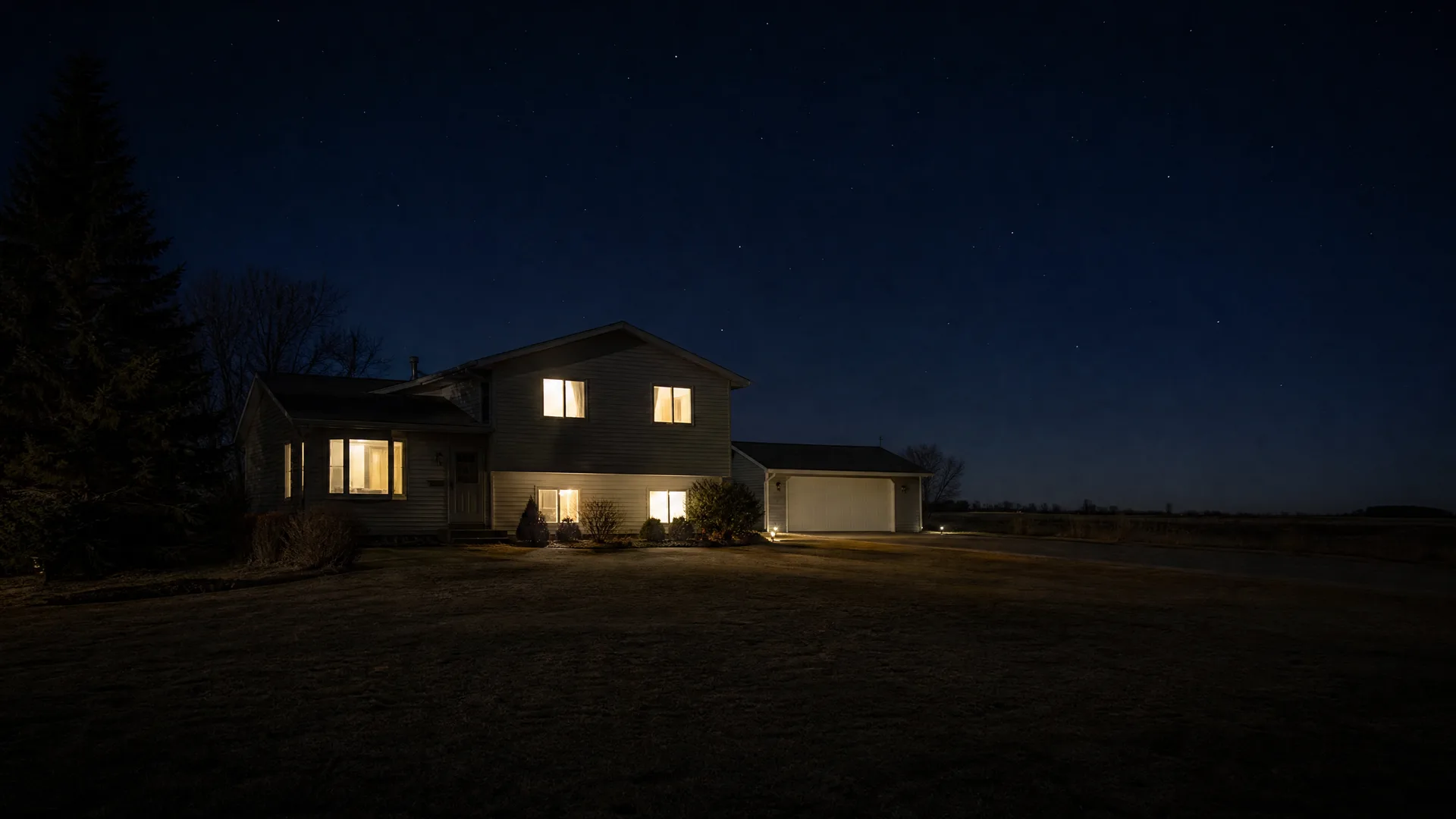
The hood flap doing its job
This is what a clear vent looks like from outside. The flap sits closed against the hood, the louvers are open to the air, and nothing is nesting behind them. Air moves out every time the dryer runs.
A bird built a nest in your dryer vent, and now you've got a dryer that takes two cycles to dry a towel, or a burning smell, or birds making noise in the wall every morning. That's a blocked vent, and it needs clearing out, not just a lint trap cleaning. Finding someone who deals with this in Grand Island usually means searching around, calling a few numbers, explaining what's going on each time, then sitting with quotes trying to figure out who actually knows vent work versus who just does duct cleaning. You can skip that. Tell us what's happening with your vent and we'll put you in touch with one licensed contractor local to Hall County, someone who works on vents like this all year and has pulled plenty of nests out of them. No list of companies calling you back at once, just the one match suited to the job.
A bird gets into a dryer vent because the hood flap sits open a crack or the flap itself is broken, and the vent looks like a hollow tree branch to a bird looking for a place to nest. Starlings and sparrows do this most, usually in spring when they're building. Once the nest is in there, it blocks the path the moist, hot air from your dryer needs to get outside. That's why a load that should take forty minutes takes twice that, and why you might smell something warm and a little like burning when the dryer runs. The lint that's still getting pushed through has nowhere to go but back up against that nest, and that's the fire risk. A vent cleaning that only reaches the first few feet of duct won't get a nest built further down or right at the hood. It takes someone opening the line from the wall to the outside termination to get all of it out and check that the flap closes again.
2.51 people per household on average
Hall County households average 2.51 people, and that's more towels and more loads through a vent that's already fighting a nest to push air out.
Half the homes here were built by 1975
Half the homes in Hall County were built in 1975 or earlier, old enough that the vent run or the hood itself may never have been swapped out.
Power here costs 10.34 cents per kilowatt-hour
Power here runs 10.34 cents a kilowatt-hour, cheap by most standards, but a blocked vent still means two cycles instead of one to dry anything.
ACS 2020-2024 · EIA-861 2025
You can keep running the dryer and hope the nest works itself loose, but a vent that's already restricted gets worse with every load, not better, and a hot dryer with a nest of dry grass and feathers against it is a real fire risk.
Clearing the vent and the hood is quick for someone who does it every week, and a local contractor who services dryer vents all over Hall County knows what a starling nest looks like from the first inspection and how to get the cap back to closing right so it doesn't happen again next spring.




A bird doesn't build deep inside the ductwork. It stops close to the hood, usually within the first two or three feet, because that's as far as a bird can carry material and still have the opening to come and go. Twigs and dry grass pack down fast once the dryer starts pushing heat and moisture through them on every load, which is why a vent that seemed fine for a cycle or two gets worse quickly. Clearing it right means working from both ends, pulling material out through the hood while checking the rest of the run with a brush or rod to make sure nothing's left behind further down. The hood flap gets a close look too. A flap that sticks or won't shut all the way is usually how the bird got in, and leaving it as is just invites the next one. A screen over the hood isn't the answer either. It catches lint instead of keeping birds out, and that lint builds into its own clog. Once the nest is gone, the full duct gets checked for scraps and for any section the nest may have pushed loose or crushed.


The pro who gets in touch is licensed in Nebraska and works in Hall County.
Skip calling around for someone who cleans dryer vents.
No fee to send it, and nothing to sign.
A load that used to take forty minutes now takes an hour or more, and you run it twice to get a towel dry. The dryer feels hotter to the touch than usual. You smell something warm and a little like burning dust when it's running. Early mornings you hear scratching or chirping coming from the wall where the vent runs. Outside, the hood flap might be sitting open instead of closed, or you can see grass and twigs poking out around it. None of this fixes itself. A dryer forcing hot air through a packed vent is working against a blockage made of dry nesting material, and that's a fire risk sitting in your wall, not just a slow dryer.
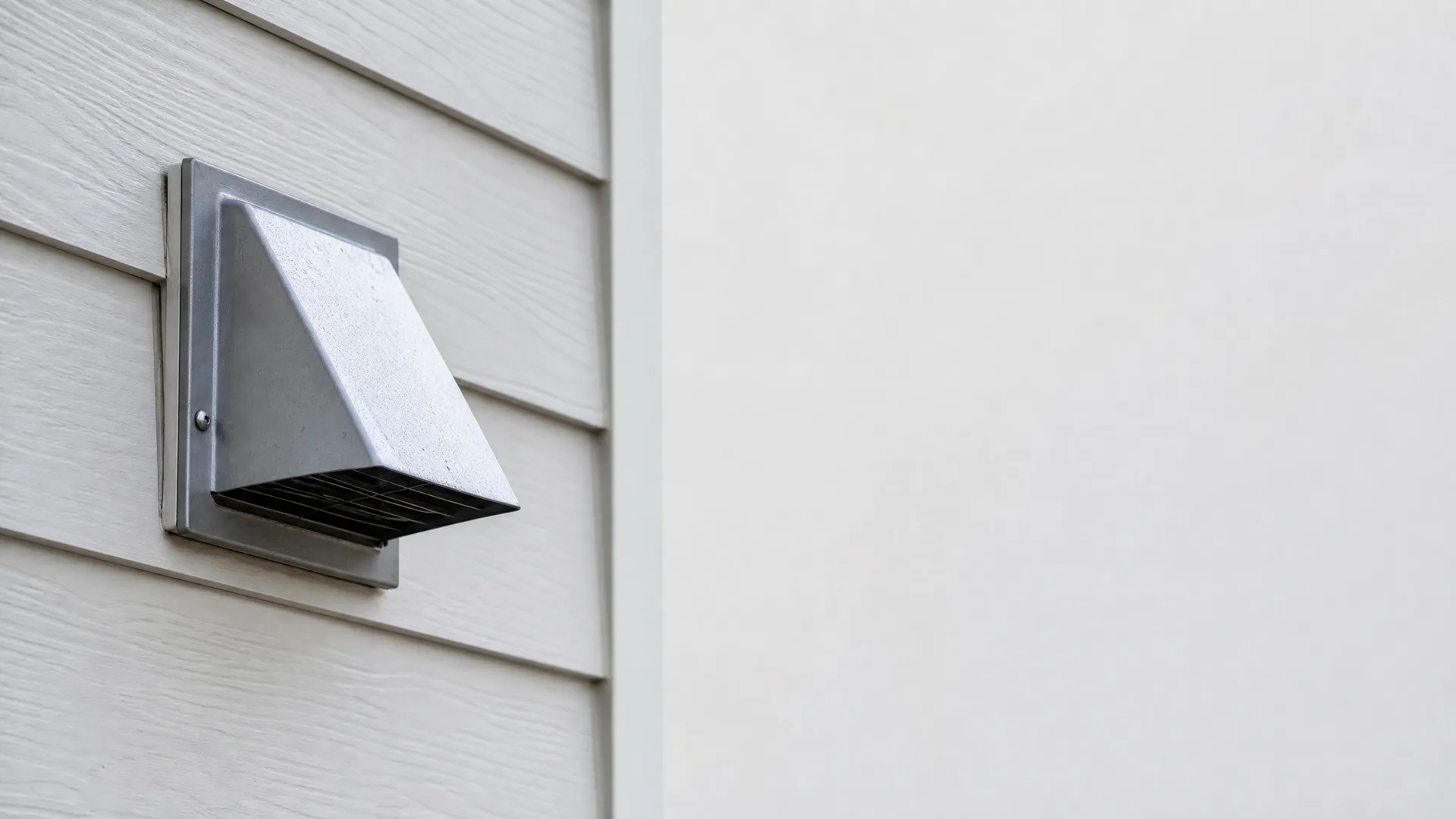
The flap on the exterior hood is the only thing keeping birds out of that pipe. It's supposed to swing open when the dryer runs and close flat against the hood when it stops. A flap that sticks, hangs crooked, or has lost its spring stays open a crack even when the dryer is off, and that gap is wide enough for a sparrow or starling to get in and start building.

A dryer vent is only four inches across, so it doesn't take much material to choke it. Twigs and dry grass packed against the duct wall cut the opening down to a fraction of its size, and lint keeps catching on that nest instead of blowing outside. Within a few loads the dryer is pushing hot, damp air against a wall of debris instead of out through the hood.
You can see the hood flap from the ground, and the nest looks close enough to reach with a coat hanger or a shop vac hose. Before you spend an hour on a ladder, it's worth knowing what's actually back there and why a nest that looks simple to grab often isn't the whole problem.
Pulling loose material out of the hood opening helps, and there's no harm in doing it. But a nest packs back toward the first bend in the duct, past where a hand or a hanger reaches, and dryer heat bakes the twigs and feathers into a mat that doesn't pull free in one piece. What's left behind still blocks airflow even after the visible part is gone. There's also the duct itself to think about: most of it runs through the wall or attic, and a vacuum from the outside won't reach a nest sitting several feet in. A contractor working the vent from both ends, with a brush sized to the duct, gets the material out whole instead of pushing part of it deeper in.

This is what a clear vent looks like from outside. The flap sits closed against the hood, the louvers are open to the air, and nothing is nesting behind them. Air moves out every time the dryer runs.

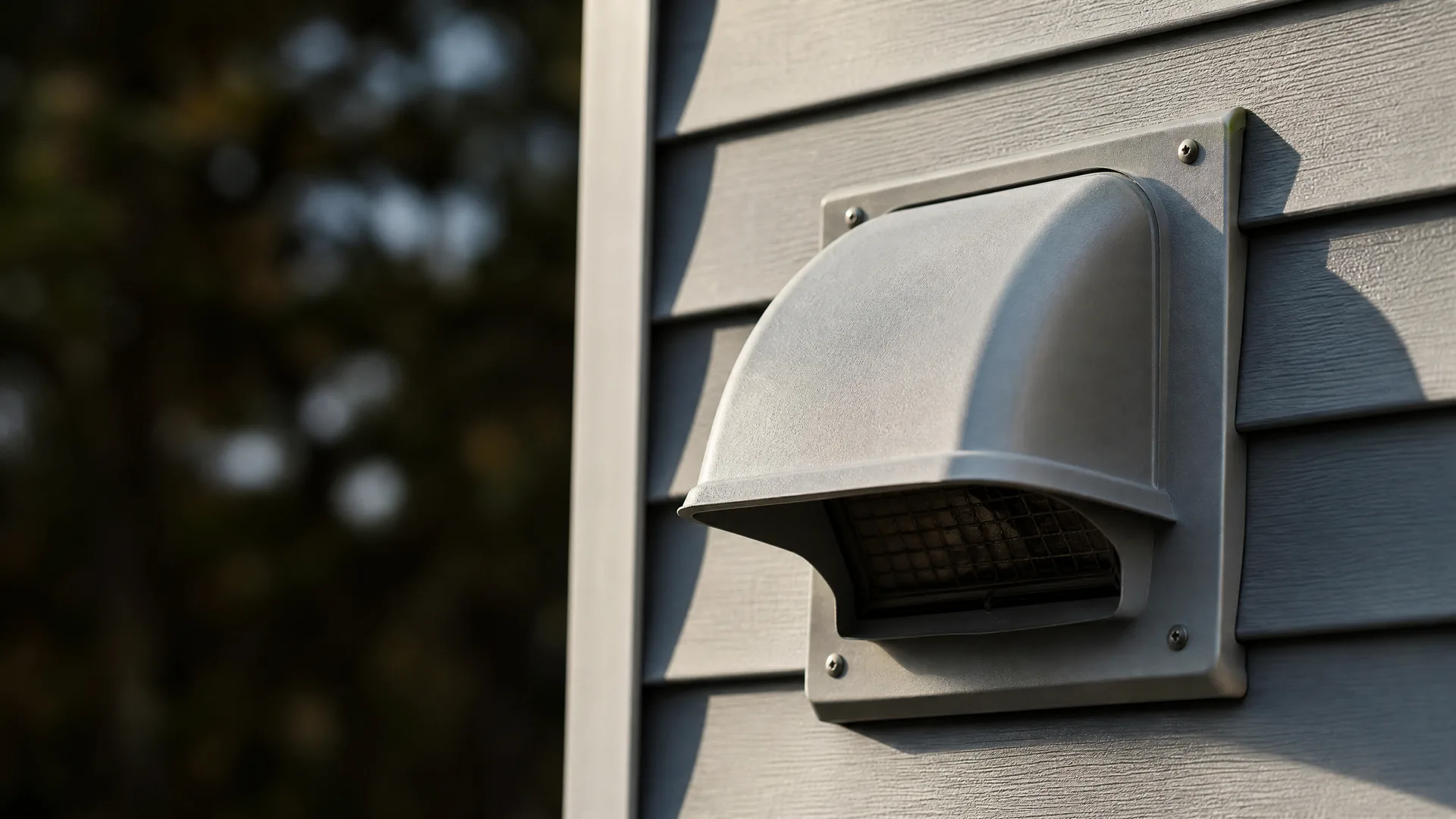
This is lint, not a nest, but it tells you the same thing: nothing is moving through that vent. A flap this clogged can't swing open, and a dryer pushing against it is working harder than it should for every load.


You'd be searching for someone who works on dryer vents, calling a few, explaining the nest and the burning smell each time, then comparing quotes before anyone shows up.
You reach someone in Hall County who clears nests out of vents every spring and knows where birds pack them tightest, without a string of companies calling you back.
With 2.51 people in the average Hall County household, your dryer is likely running several loads a week, towels, sheets, work clothes. Every one of those loads has to push air past that nest to get outside, and the dryer doesn't get a break to do it.
ACS 2020-2024

A bird got into the vent, built a nest against the hood flap, and now your dryer is working against it every load. That's the whole problem. It doesn't fix itself and it doesn't get better with time, only worse, until the vent clears and the flap closes the way it's supposed to.
A local contractor who clears vents in Hall County all season knows where the nest sits and what it takes to get it out clean, flap and all, in one visit. That beats spending an evening searching around, calling a few places, walking through the burning smell and the two-cycle towels again with each one, then waiting on quotes to compare. One call to someone who already knows what a spring nest looks like gets the vent open and the dryer running the way it used to.

No phone calls to make