
Before: checking and calling around
You're searching for someone who cleans dryer vents, calling a few, explaining the same thing each time, then lining up quotes to see who actually knows the work.
You keep running the dryer twice to get clothes dry, or you've noticed the top of the dryer feels hot to the touch partway through a load. Maybe you caught a faint burning smell, or you just haven't checked the vent since you moved in. In Nebraska, with gas dryers common in most homes, a clogged vent is worth taking seriously rather than shrugging off as a quirk of the machine.
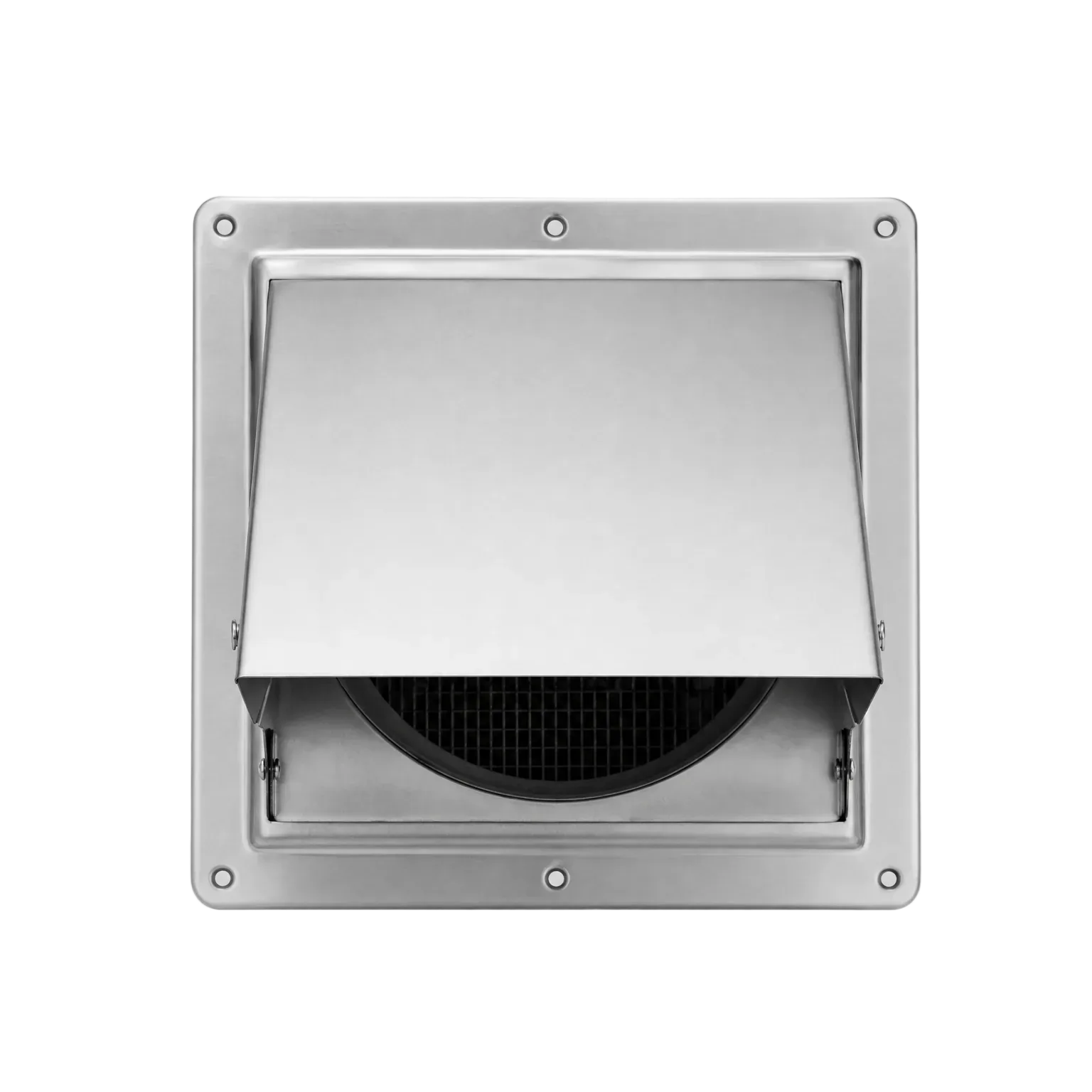
A clogged vent stops the moist air from getting outside, so the dryer has to work longer to do the same job. That's the first thing you'll notice: a load that should take forty minutes stretches past an hour, or you're running it twice. The dryer itself runs hotter than usual, sometimes hot enough to feel it on the metal cabinet. You might catch a burning smell, especially on a gas dryer, or notice the room gets warmer and more humid than it used to while a load runs. Check the outside vent hood while the dryer is on. If the flap barely moves or no air comes out, lint has built up somewhere in the line between the dryer and the wall.





A dryer pushes hot, damp air out through the vent with every load. When lint narrows that path, the air has nowhere to go, so it backs up into the drum and the cabinet. That's why the top of the dryer gets hot before anything else shows up. The motor and heating element are still working the same as always. The air just isn't leaving the way it should.

Stand outside near the vent hood while a load is running. With a clear path, you'll feel a steady, strong push of warm air, and the flap on the hood should swing open and stay open. A weak flutter or a hood that barely lifts means the air is struggling to get through. Compare it to how the same vent felt the last time you had it cleaned, if you remember, since that difference tells you more than a single check does.
At 12.05 cents a kilowatt-hour, running the dryer twice a load to get clothes dry costs you twice the electricity for one load of laundry. A clear vent gets clothes dry on the first run, so you're not paying for the second one.
EIA-861 2025 statewide residential average




Your dryer vent cleaning request goes to one local pro.
It costs nothing to send, and you don't have to hire anyone.
A dryer that keeps running hot air with nowhere to go wears out faster than one venting freely. The motor and heating element work every cycle to push air against that blockage, and that strain adds up over the months. You may notice the dryer shutting off mid cycle, which usually means a thermal fuse or limit switch tripped from the heat. Replacing one of those is a repair bill you would not have if the vent ran clear. Gas dryers add another concern, since the exhaust carries combustion byproducts out of your house along with the moisture. When that path narrows, less of it leaves and more stays where your laundry room is.
Finding someone to deal with this usually means searching around, calling a few places, explaining the same thing twice, then sitting with quotes that don't quite match up against each other. This connects you with one local contractor, someone who clears vents in homes around Nebraska all year and knows how lint sits in these runs by the time someone calls. No pile of competing calls to sort through afterward. Once the vent is clear, the dryer stops working against itself. Clothes dry on the first run instead of the second, the cabinet stops running hot, and the exhaust goes where it's supposed to, out of the house, not back into it.


You're searching for someone who cleans dryer vents, calling a few, explaining the same thing each time, then lining up quotes to see who actually knows the work.
You get matched with a licensed contractor near you who clears vents like this every season and knows what a packed hood and a hot dryer usually mean.
A clogged vent shows up in the same ways every time: a dryer running hot, a second cycle you shouldn't need, a vent hood outside that barely stirs. If any of that sounds like your laundry room, the lint has narrowed the path enough to matter. The contractor who comes out clears it, not through a crew of strangers but through someone local who services dryer vents all year in Nebraska homes and has seen what a winter or two of lint buildup does to the hood and the line behind it. You explain your setup once, to the person who's actually coming, and that's the end of the back and forth. Clear the vent and the dryer goes back to doing what it's built to do, drying a full load in one run, without the motor straining against air that has nowhere to go. That's the whole problem and the whole fix.

The pro who reaches out is licensed in Nebraska.