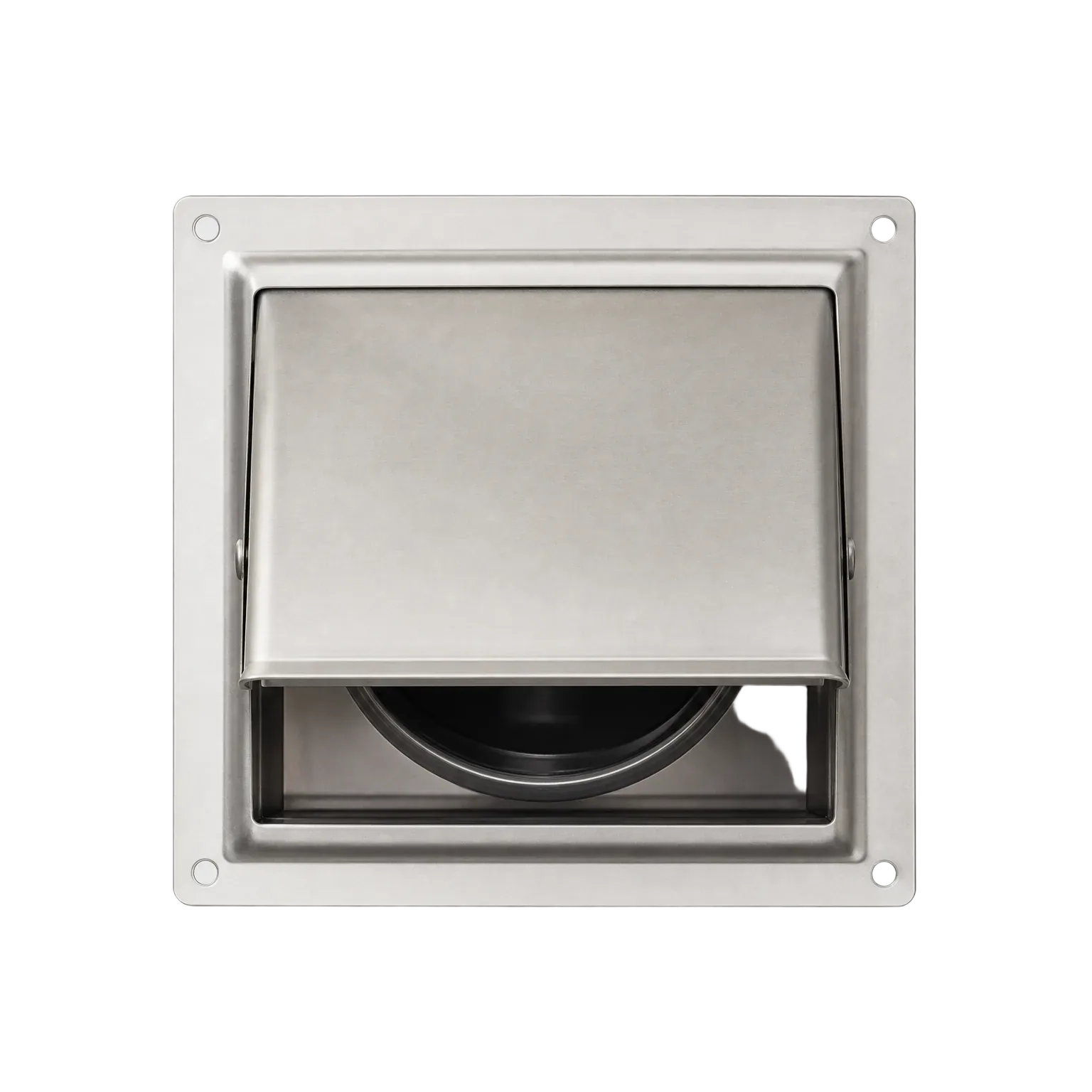
Clear and open
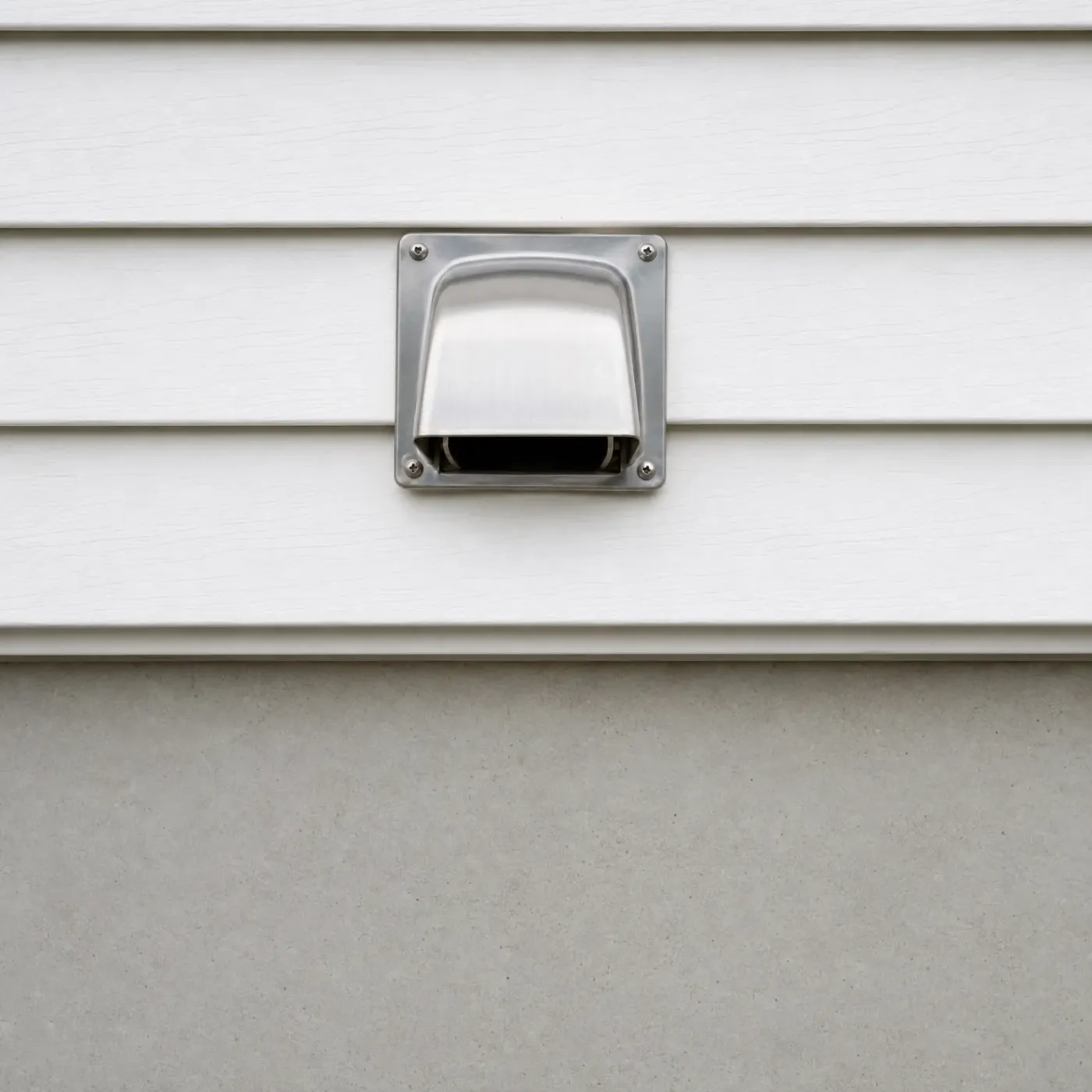
Air passes freely through the hood, so the flap swings open with each load and closes when the dryer stops. No lint around the opening, no musty smell, no buildup on the siding below it.
Once a year is the right schedule for most homes in Nebraska. A dryer pushes out warm, damp air with every load, and lint builds along the duct faster in a year with a muggy summer like ours, since damp lint sticks to the inside of the vent instead of blowing through. Over months that buildup narrows the path the air has to take. The dryer has to run longer to dry the same load, and the motor and heating element work harder to push air through a vent that is partly blocked. In a gas dryer, a blocked vent also keeps exhaust from clearing the way it should. If your dryer takes longer than it used to, or the outside vent flap barely moves when it runs, the vent is likely due now, not next year. Lint buildup does not announce itself gradually. It shows up as a dryer that runs hot, takes two cycles instead of one, and leaves clothes damp at the end.


Lint doesn't stop at the trap. Every load pushes more of it down the duct, and it catches wherever the air has to turn. A straight shot to the outside wall stays cleaner longer than a run with several bends, because each elbow gives lint a place to grab hold. Flexible duct makes this worse. Its ribbed inside walls snag damp lint that a smooth rigid duct would let pass through. Nebraska summers add to the problem, since sticky air keeps lint damp instead of letting it dry out and blow clear. At the outside wall, the vent hood has a flap that's supposed to open when the dryer runs and close when it stops. Once lint packs in behind the screen or cage that covers it, that flap can't move the way it should, and air backs up the whole length of the duct. A dryer working against that kind of blockage pulls in recycled warm air instead of fresh air, and the drum stays damp longer than it should. None of this shows up by looking at the trap. It shows up in the duct, at the bends, and at the hood outside.




The pro who reaches out is licensed in Nebraska.
Skip searching for a dryer vent pro and answer a few questions instead.
No fee to send it, and nothing to sign.
Clothes coming out hot to the touch, or still damp after a full cycle, is the first thing you'd notice. You might run a load twice just to get it dry. The laundry room gets warmer than it used to, and if you check the outside vent hood while the dryer runs, the flap barely moves or the airflow feels weak against your hand. Lint shows up around the lint trap door or on the floor behind the machine. None of this ruins a dryer overnight, but a blocked vent makes the motor work harder and keeps heat where it shouldn't be, inside the duct, inside the wall, running longer than it's built to.
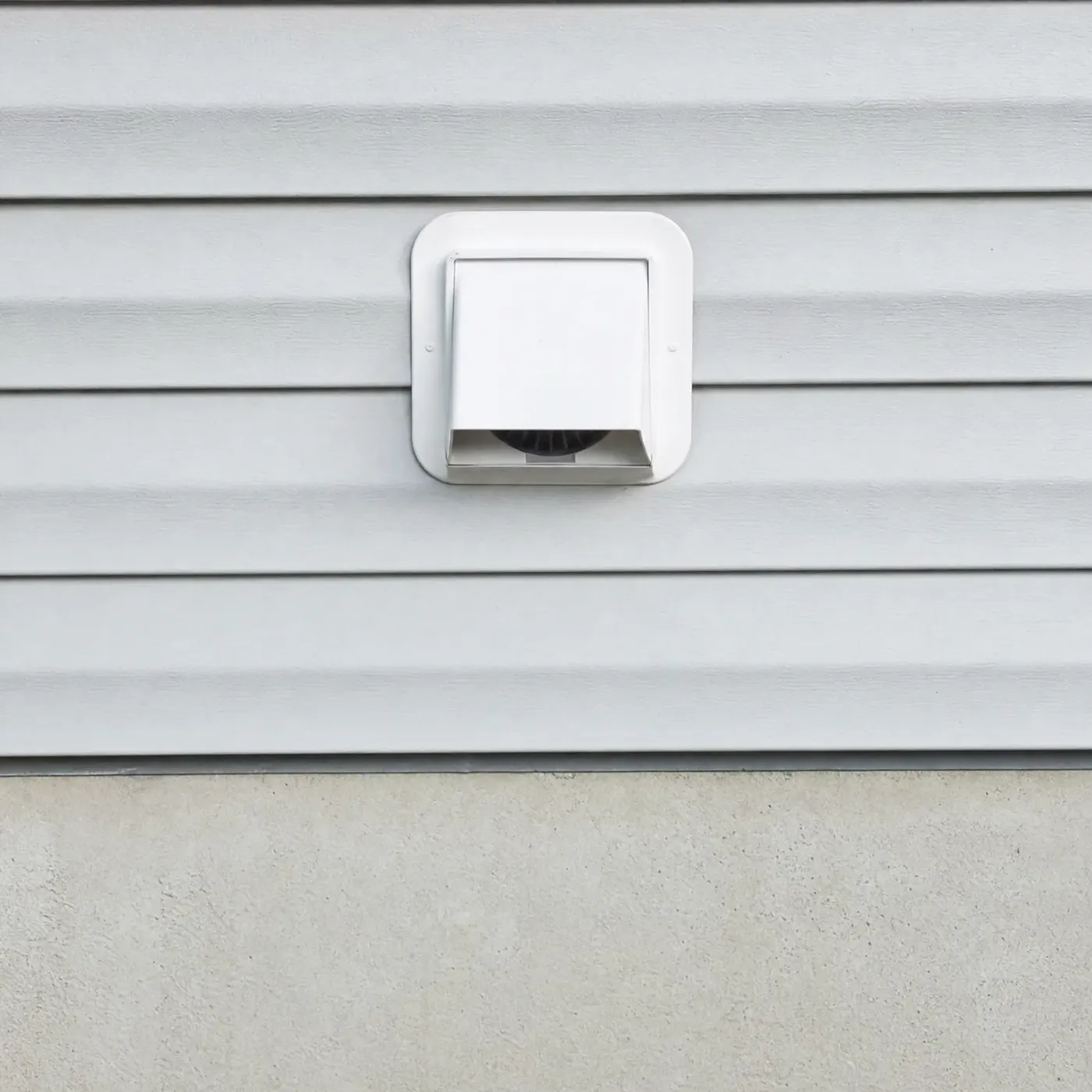
Air passes freely through the hood, so the flap swings open with each load and closes when the dryer stops. No lint around the opening, no musty smell, no buildup on the siding below it.
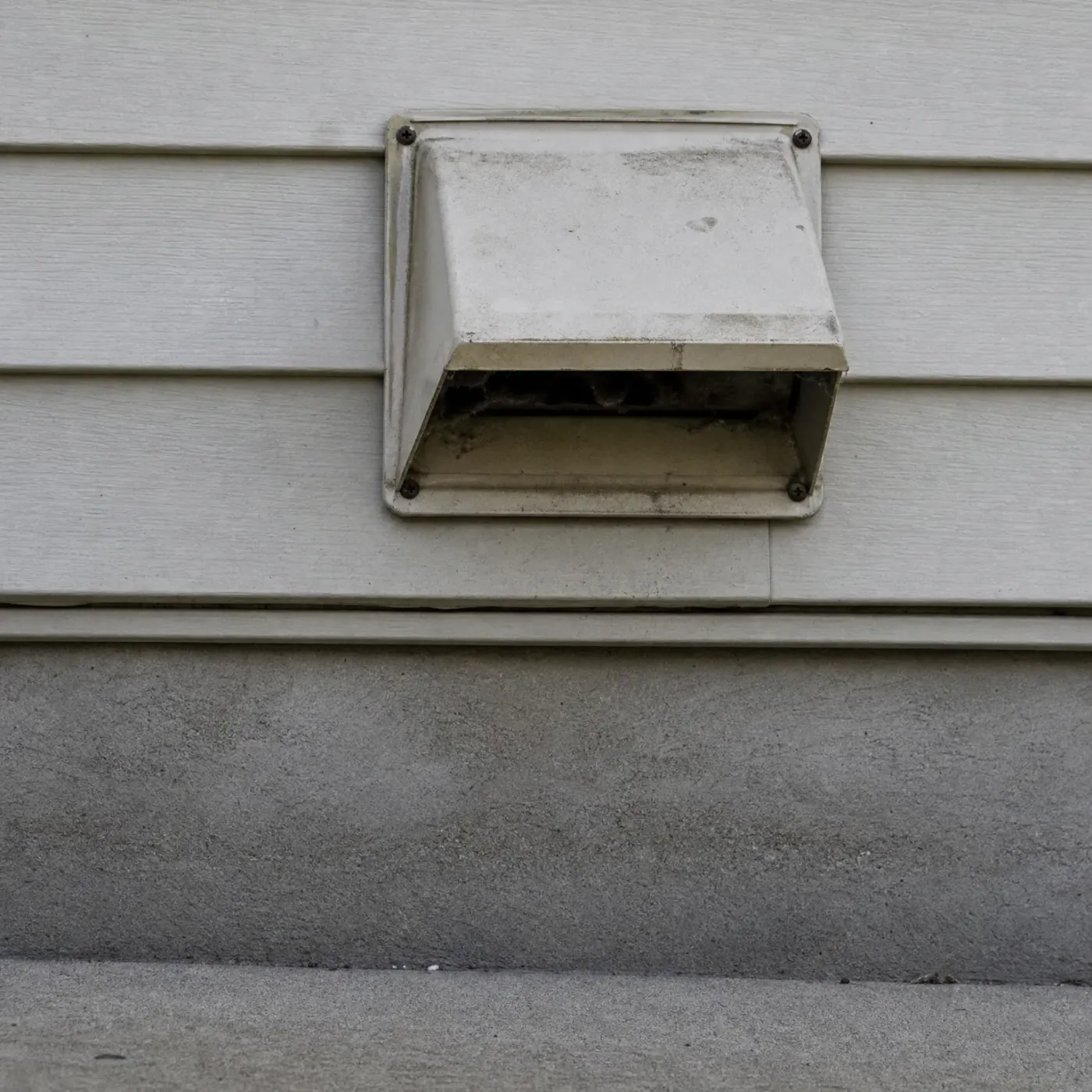
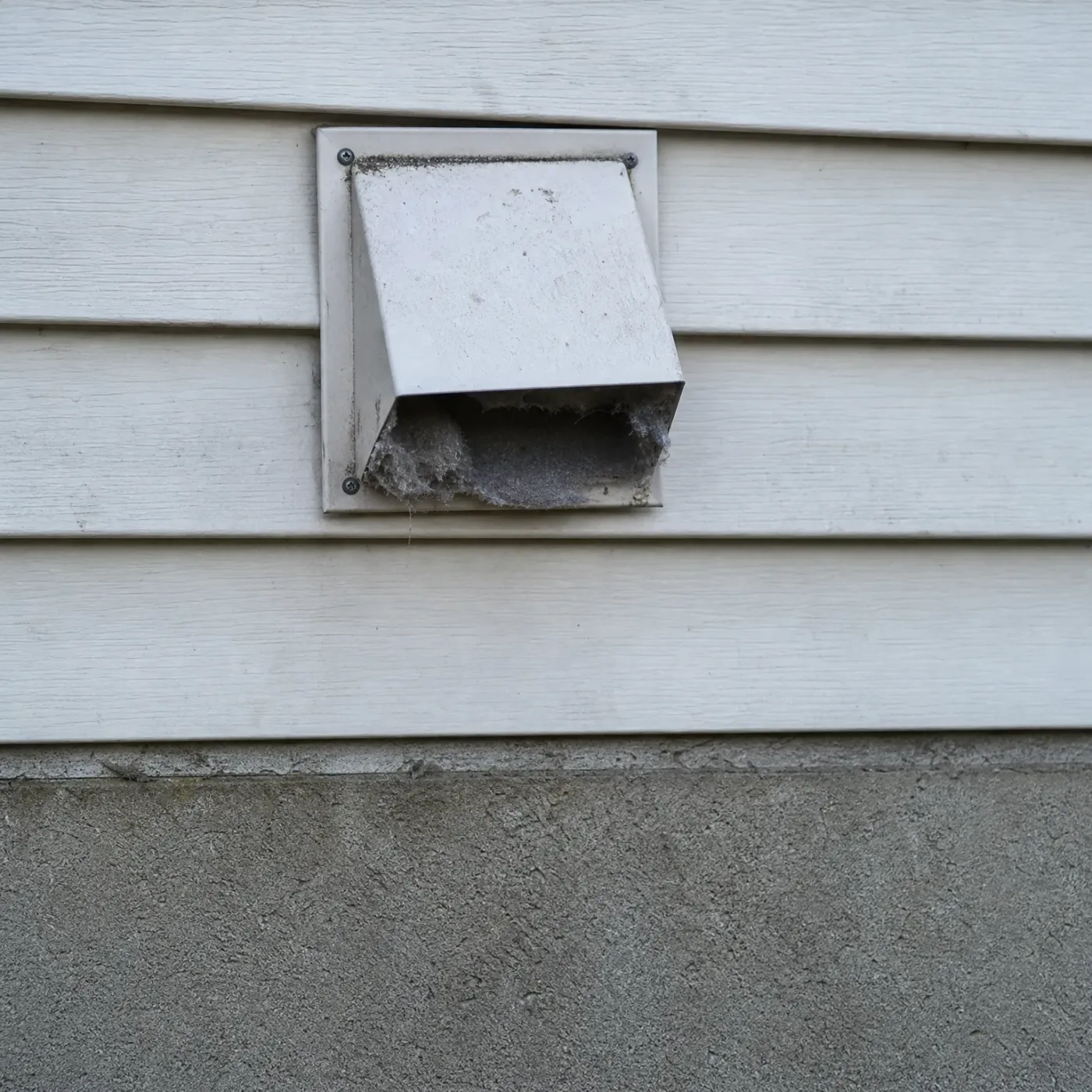
Lint has packed in around the opening and the flap barely lifts anymore. Air backs up into the duct instead of pushing out, which is how a vent like this ends up needing a cleaning before the year is out.


At 12.05 cents a kilowatt-hour, running your dryer is already cheap compared to most of the country. A clogged vent still costs you, because a dryer working against trapped lint runs longer to dry the same load, and every extra cycle adds up at the meter.
EIA-861 2025 statewide residential average
A dryer vent in Nebraska needs clearing once a year. That's the schedule, and the reasoning behind it holds whether your dryer runs on gas or electric, whether your summer was sticky or mild. Lint builds along the duct with every load, catching on bends and seams, and a year's worth is usually what it takes to start slowing the airflow your dryer depends on.
Knowing that number doesn't get the work done. The part that actually takes evenings, the calling around, explaining the same setup to three different companies, sorting through quotes that don't match up, is what finding help usually costs you. That's the part this page settles. You're matched with one contractor, local, licensed, someone who services dryer vents all season and has seen which hood styles clog first and which duct runs give out at the seams before the rest. You're not fielding calls from a handful of companies trying to win the job. One contractor comes out, looks at your setup, and clears it.
The schedule stays the same whichever way you get there. What changes is whether you spend your evening on hold or whether someone who already knows this equipment handles it.

Only one pro gets your request, so you hear from one company.