








Nebraska HVAC Help

Mold in air ducts in Kearney, NE

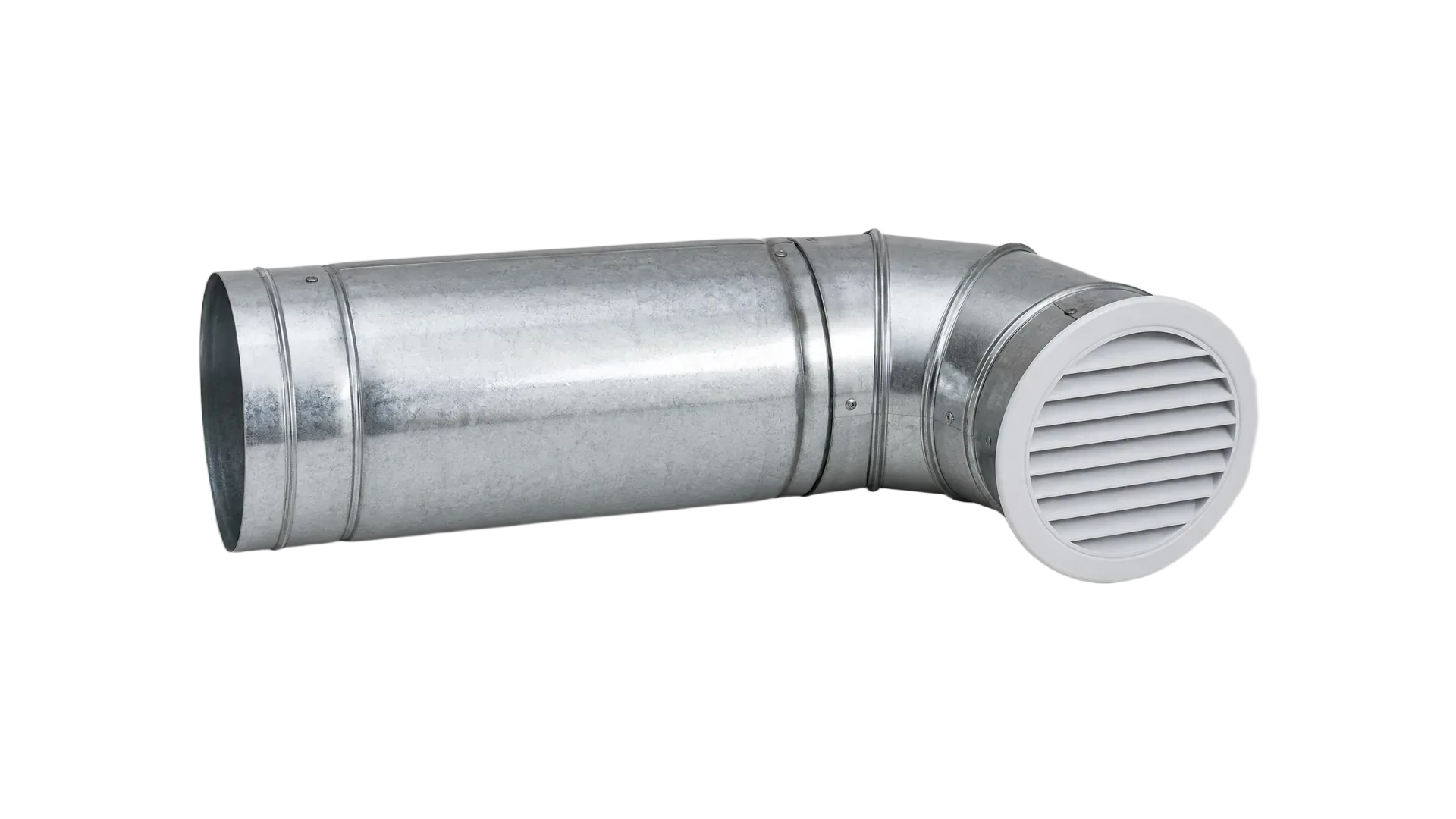
A galvanized steel round duct with a 90-degree elbow and a white louvered vent cover on one end, shown against a plain gray background.
Find a duct system pro

Mold inside air ducts usually means moisture got in somewhere, often around the evaporator coil or a duct run through a crawlspace, and dust gave it something to feed on. You may notice a musty smell when the system kicks on, or see dark spots at the vent covers. Summers around Kearney don't carry the heavy humidity you get farther south, so duct mold here more often traces back to a condensate drain that isn't clearing right or ductwork sitting somewhere damp, rather than the air itself being wet. Winters push the furnace hard for months, and any mold sitting in the ducts gets circulated through the house every time it runs. A musty smell alone doesn't tell you how bad it is or where it's coming from. Getting the ducts inspected and cleaned clears out what's already there and gives you a chance to find the moisture source before another season pushes it through your home again.

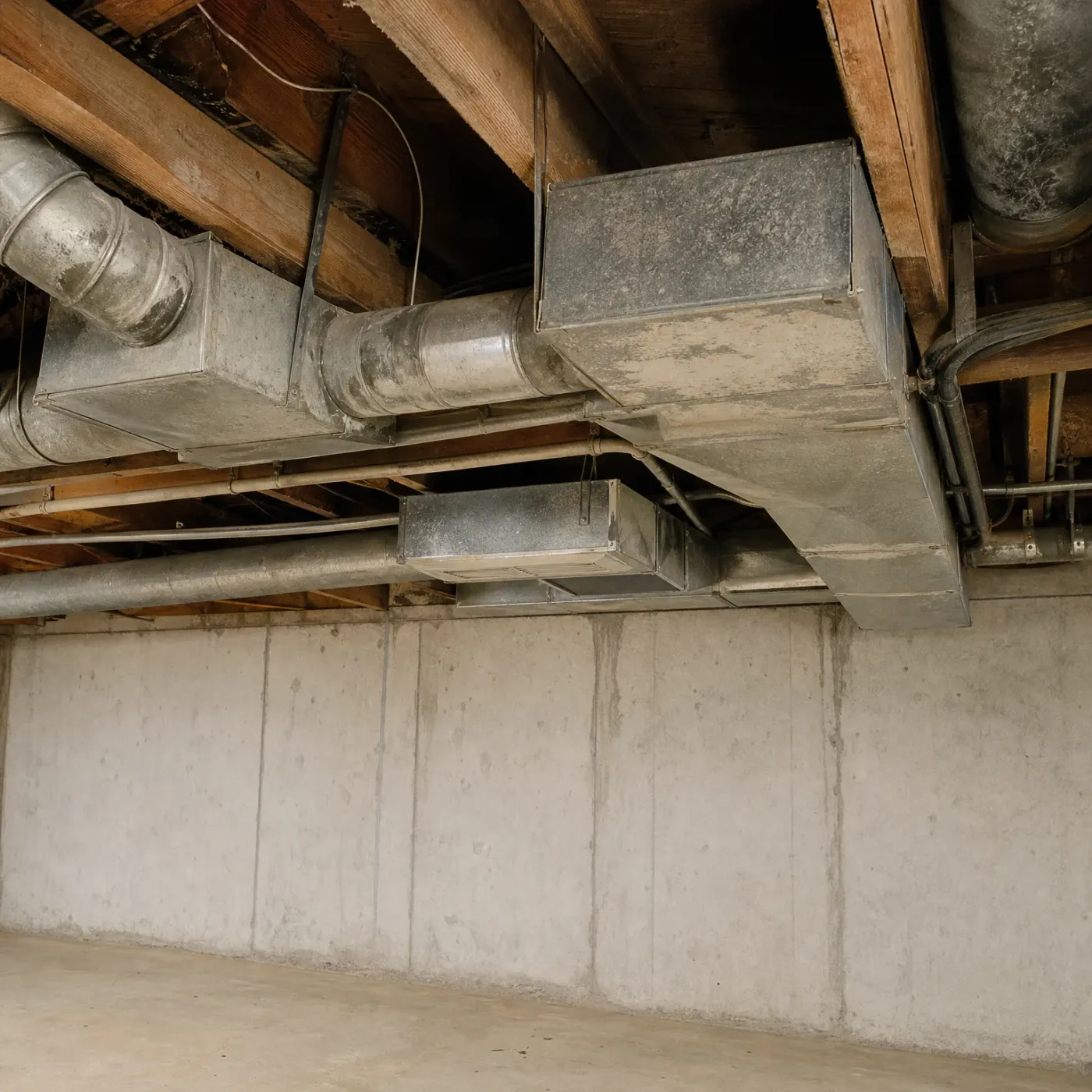
Basement ceiling with galvanized sheet metal ductwork, round pipes and rectangular plenums running between wooden joists above a bare concrete foundation wall and floor.
Before you get your ductwork cleaning
Empty basement room with bare concrete walls and floor, and an exposed wood-joist ceiling carrying sheet-metal ductwork, insulated pipes, and recessed lights.
After you get your ductwork cleaning

Mold needs water to get started, and the evaporator coil gives it that chance. The coil stays wet for hours after the AC cycles off, every time it runs. If a duct run passes through a crawlspace or any unconditioned space, summer humidity can condense on the cool metal and add moisture right there in the line. Dust and skin cells collect inside the ductwork over time, and once moisture shows up, that buildup is food for mold to grow on. A clogged filter makes this worse by slowing airflow across the coil, so it stays damp longer than it should. Once a colony takes hold near the coil, spores ride the airflow out through the whole system, which is why you can smell it when the furnace or AC first kicks on and see spots at vents in rooms far from the unit. The smell means it is active growth, not just dust sitting in the line.

How Mold Gets Into Your Ducts

  • Mold needs standing moisture to grow, and the evaporator coil stays wet for hours after the AC shuts off.
  • A duct run through a crawlspace or unconditioned space can sweat in summer when warm, humid air meets cool metal.
  • Dust and skin cells settling in the duct give mold something to feed on once moisture is present.
  • A musty smell when the furnace or AC first kicks on usually means the growth is active, not just leftover residue.
  • Spores travel on the airflow, so a colony near the coil can show up as spots at vents throughout the house.
  • A clogged filter slows airflow across the coil, which can leave it wetter longer and favor mold growth.
An empty unfinished basement with concrete floor and walls, exposed wood joists, steel beams and support posts, galvanized ductwork and pipes, and a single bare bulb light.
Dry joists, clean metal, ductwork doing its job with nothing growing on it.
Empty basement with bare concrete walls and floor, with galvanized sheet-metal HVAC ducts, a round duct elbow, and pipes running along the wooden joists of the ceiling.
Dark staining on the joists and duct surfaces where moisture had nowhere to go.

What Mold in Your Ducts Means for Your House

  • A musty smell that shows up when the furnace or AC kicks on but fades when the system is off points at the ducts, not the room.
  • Mold spores moving through the ductwork can reach every room the system serves, not just the one near the smell.
  • Household members with allergies or asthma may notice more coughing or congestion indoors than outdoors during the months the system runs hardest.
  • Dark spots around supply vents or return grilles usually mean the growth has spread past the duct and onto the drywall or trim.
  • A system drawing air through moldy ducts still has to push that same air through the filter and coil, so both can load up faster.
  • Mold that has reached the crawlspace joists next to the ductwork can spread to the wood itself if the moisture behind it isn't dealt with.

Once mold is in the ductwork, it's not staying put. The system pulls air through the ducts and pushes it into every room on that line, so a smell that started near one vent ends up part of the air in the whole house. You'll usually notice it first as a musty smell when the furnace or AC cycles on, strongest right after the system kicks on and fainter once it's been running a while. That's the ducts talking, not the room itself. If anyone in the house has allergies or asthma, summer and winter are when you'd expect to see it, since that's when the system runs longest and moves the most air. Look at the vents and return grilles too. Clean metal around them is a good sign. Dark spots on the grille or on the wall or trim just past it usually mean the mold didn't stay inside the duct, it reached the drywall. The filter and coil take the hit as well. Both are built to catch what's in the airstream, and moldy ducts put more in that airstream for them to catch, so they load up faster than they would otherwise. And if the duct run passes through a crawlspace, check the joists nearby. Mold on duct metal can spread to the wood next to it if the moisture that started the problem is still there.

How much moisture does your duct system deal with here?

  • Half the homes here were built by 1980

    Your furnace runs about eight months a year here, October through May, so the ducts carry heated air most of the year with little break for anything inside them to dry out.

  • Heat runs October through May

    Cooling runs June through September, and that's the stretch when the evaporator coil stays wet and any duct run through a crawlspace can sweat.

  • Cooling runs June through September

    Half the homes in Buffalo County were built in 1980 or earlier, old enough that the ductwork has had a lot of years of both seasons to pick up moisture somewhere along the way.

ACS 2020-2024 · NOAA nClimDiv 1991-2020

  1. Moisture settles on the coil or a cold duct run.

  2. Dust already in the ductwork gives mold something to feed on.

  3. Mold colonizes the damp spot and spreads along the duct interior.

  4. Spores ride the airflow out through the vents into each room.

Is that musty smell coming from your vents?

You turn on the furnace or the AC and catch a musty smell that wasn't there a minute before. It fades once the system shuts off. Some houses show dark specks around the vent covers or a stale smell in one room that won't go away no matter how much you clean it. None of that is dust. It's air moving past mold growing somewhere in the ducts before it reaches you. With your furnace running most of the year here, that air passes through the same ducts for months without a break. Left alone, it keeps circulating through every room the system serves, and anyone in the house who deals with allergies or breathing trouble usually notices first.

An older man with gray hair and a beard, wearing a dark snow-dusted jacket and scarf, stands smiling in a warmly lit interior hallway with a lit table lamp, a vase of dried branches, and a framed picture in the background.
An older man in a dark snow-flecked overcoat and scarf stands smiling in a warmly lit home entryway, with a glass-paned door showing darkness outside and a lamp-lit room visible through a doorway behind him.
An older man with grey hair and a beard, wearing a dark coat dusted with snow, stands in a dimly lit entryway with a ceiling lamp, a side table with two shaded lamps, and a lit fireplace visible in a room beyond.
An older man with gray hair and a beard, wearing a dark coat dusted with snow, stands smiling in a doorway of a warmly lit home with a sofa, lamp and window visible behind him.
Unfinished basement with exposed wood joists, galvanized rectangular and round ductwork, piping, stud framing against concrete walls, and a bare hanging light bulb.

The right pro for this job

The pro who gets in touch is licensed in Nebraska and works in Buffalo County.

Get matched with a Buffalo County pro who cleans ducts.

Reach a local pro

You're not committing to anything by asking.

Can mold in the ducts actually make someone in the house sick?

Can mold in the ducts actually make someone in the house sick?

It can trigger symptoms, especially in people already sensitive to mold

Mold spores moving through the ductwork don't stay in one room. They ride the airflow out through every vent the system feeds, which means someone with allergies or asthma can react even in a room far from where the moisture problem started. The usual signs are a stuffy nose, coughing, itchy eyes or a headache that shows up when the furnace or AC is running and eases when it's off. Kids, older adults and anyone with respiratory issues tend to notice it first. Not everyone in the house will react the same way. A duct cleaning removes the mold and the dust it was feeding on, but if the moisture source is still there, it will likely come back.

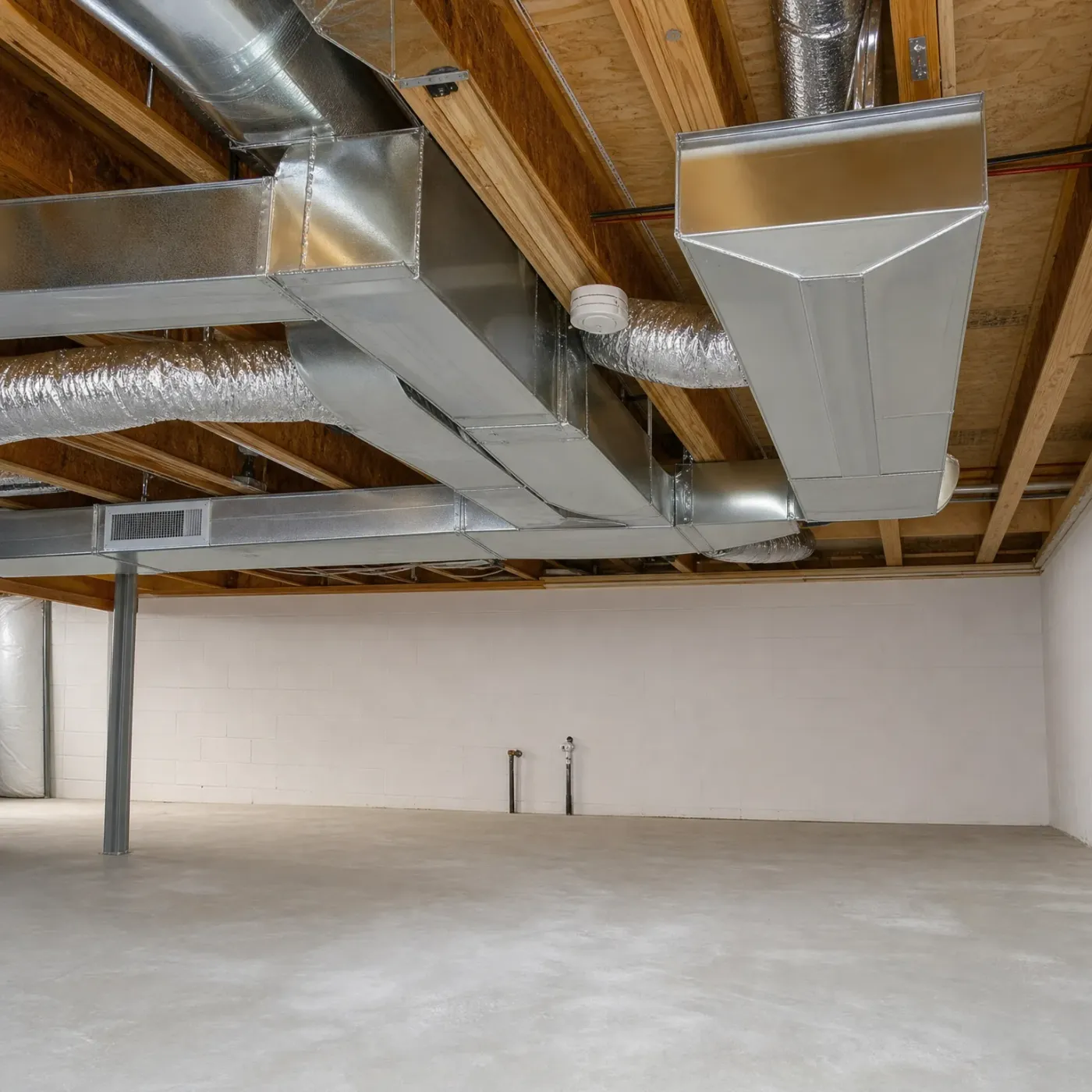
Empty basement with bare concrete floor, painted block walls, and an exposed wood-joist ceiling with sheet-metal and insulated flexible ductwork and a steel support column.

Clean ductwork

This is what a basement under control looks like. The joists are bare wood, the trunk lines are clean sheet metal, and the block walls are dry. Air moves through the ducts and out to the rooms without picking up anything it shouldn't along the way.
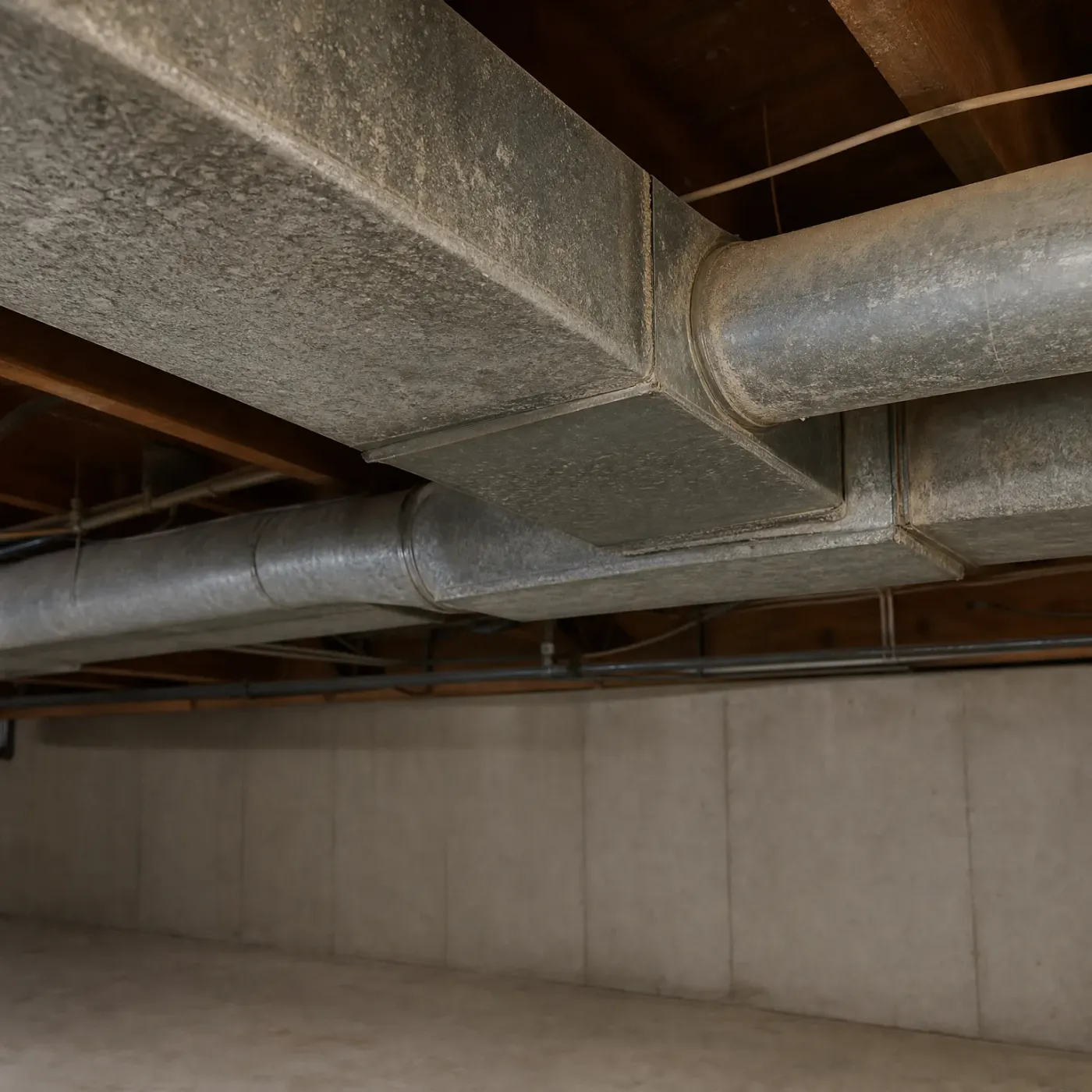

Galvanized rectangular and round sheet-metal ductwork running beneath a wood-joist ceiling in a basement with concrete walls and floor, with pipes and wiring alongside.

Ductwork gone bad

That gray film on the trunk duct and the joists above it is years of dust the system never fully cleared out. Once moisture reaches a buildup like that, it has what it needs to grow and ride the air into every room on that line.

Power here costs 10.72 cents per kilowatt-hour

At 10.72 cents per kilowatt-hour, running the blower longer than it needs to doesn't hit your bill hard here. That matters because a duct cleaning won't dry out a system on its own. If the moisture source behind the mold is still there, the fan just keeps moving spores through rooms the cleaning already reached.

EIA-861 2025

A woman wrapped in a chunky knit blanket sits in an armchair with an open book on her lap, beside a lit table lamp and a window with frost and snow outside.
A smiling older woman with gray hair in a loose bun wearing a ribbed beige sweater stands in a dimly lit kitchen beside a window showing darkness outside, with a loaf of crusty bread on a wooden board in the foreground.
A woman stands in the open front doorway of a single-story house with a covered porch, stone column bases and a dormer window, facing a man in a dark cap and gray polo shirt seen from behind in the foreground.

Mold in the ducts doesn't go away on its own

A musty smell when the system kicks on, dark staining near the vents, moisture that settled on the coil or in a duct run through a crawlspace. That's what mold in the ductwork looks like in Buffalo County, and it stays there until someone cleans it out and deals with whatever let the moisture in. The duct system doesn't fix itself over a dry stretch of weather.

A local contractor who services ductwork in Kearney year round has seen which duct runs sweat and which coils stay wet longest in homes like yours. Getting matched with one means a single contractor who knows this equipment looks at your system and tells you what's actually growing in there and where, instead of you fielding calls from a handful of companies guessing over the phone.

Interior corner of a living room with a beige upholstered armchair holding a textured pillow and throw, a eucalyptus arrangement in a ceramic vase on a wooden table in the foreground, a blurred glass-front cabinet behind, and a potted plant on a sunlit window sill.
A dark-clad house with large windows beside a gravel driveway lined with in-ground path lights, ornamental grasses and hydrangeas, with distant hills and an orange sunset sky.

Ductwork Cleaning

Matched to your ductwork job

Duct and vent cleaningDucts or ventsBuffalo County, NE
Step 1 of 2

What ZIP code is the job in?

  • A ceramic vase holding dried flowers and a shallow stoneware bowl sit on a wooden table beside a bright window, with a paneled wall and framed picture behind.
    • Your request goes to a Buffalo County pro who takes ductwork jobs.
    • Your duct cleaning request goes to a local pro who does this work.
  • A stoneware jug holding dried pink and green hydrangea blooms sits on a polished wooden sill beside a dark lidded box and a metal candlestick, in front of a multi-pane wood window with blurred greenery outside.
    • Send it once and finding someone is no longer on you.
    • Send the form and finding a duct cleaner is handled.
  • A white window sill holding a ceramic vase with olive branches and a shallow wooden bowl, with blurred green foliage and a neighboring roof visible through the window and a woven basket below.
    • Skip searching for someone who cleans ducts in Buffalo County.
    • Fill out one short form instead of calling around.
  • A green fern in a light gray ceramic pot with a matching saucer sits on a wooden table beside a glass-based lamp, next to a curtained window.
    • Your duct cleaning request goes to one local pro.
    • Your request goes to one pro, not a list of companies.