Send one request and you're done looking
Is duct cleaning worth it in Kearney, NE
Duct cleaning gets pitched hard, and it's fair to wonder if it actually does anything for your house or your bill. The answer depends on what's going on in your ducts right now, not on a general rule. Send this in and a licensed Kearney contractor who deals with these systems all the time can take a look and tell you straight whether it's worth doing.
Let a pro reach outFor most homes in Kearney, duct cleaning is not something you need on a schedule. It's worth doing when there's a real reason: you can see dust kicking out of the vents, you had rodents or a pest problem in the attic or crawlspace, there was work done on the house that left drywall dust or debris in the system, or someone in the house has allergies that flare up worse indoors than out. Buffalo County's dry summers and hard winters mean your furnace and AC run the same air through those ducts for months at a stretch, so whatever is sitting in there keeps circulating. If your vents are clean to the eye and nobody's having breathing trouble, cleaning them is unlikely to change much. If one of those signs fits your house, it's worth having someone look at the actual ductwork before you decide, rather than guessing from a general rule.
Power here costs 10.72 cents per kilowatt-hour
Cheap power at 10.72 cents a kilowatt-hour means a blower working harder against clogged ducts won't wreck your bill the way it might somewhere else. The bigger cost of dirty ducts here is comfort and air quality, not what you pay to run the fan.
EIA-861 2025
When cleaning actually helps
If dust is visibly blowing out of the registers when the furnace or AC kicks on, cleaning fixes that right away. The same goes if mice or birds got into the attic or crawlspace where the ducts run. Nests, droppings and dander get pulled through the system and pushed into every room. Construction or remodeling work is another case. Drywall dust and sawdust settle inside the duct runs during the job and don't clear out on their own once the work is done. In any of these situations, cleaning is addressing something that's actually in there, not a maintenance task done out of habit. You can often confirm it yourself by pulling a vent cover and looking inside with a flashlight.
When it won't do much
If your ducts look normal and nobody in the house has new breathing trouble, cleaning them is unlikely to change anything you'd notice. Some dust buildup on duct walls is normal and doesn't move around enough to affect the air you breathe. It won't lower your gas bill in the winter or make the furnace run less. It won't fix a room that's too hot in August if the real problem is a duct that's undersized or disconnected somewhere. Cleaning addresses what's sitting inside the ducts, not airflow problems caused by the system's design or a leak in the ductwork itself. A contractor who looks at the actual system can tell you which one you're dealing with.


A cleaning crew doesn't just vacuum the vents you can see. They run a brush or whip through the main trunk line and out each branch, pulling debris out under negative pressure so it doesn't just blow further into the house. The blower wheel and coil get handled as their own step, since caked dust there changes airflow no matter how clean the ducts are. A good crew treats the return line as carefully as the supply side, because a return pulling from a dusty crawlspace will undo the work in a few weeks. The spots nearest each register, where the flex duct bends and airflow slows down, tend to hold more buildup than the rest of the run and get checked closely. Some contractors run a camera through the system first to see what's actually in there before deciding how much work it needs. If that inspection turns up gaps or loose joints, sealing them matters as much as the cleaning, since an open seam near the attic or crawlspace will just keep feeding dust back in.
How a duct cleaning actually works
- A duct cleaning crew runs a brush or whip through the trunk line and each branch, then pulls everything loose with a vacuum set to negative pressure so dust doesn't blow back into the house.
- The furnace blower and coil get cleaned separately from the ducts themselves, since dust on a blower wheel or coil affects airflow in a way that clean ducts alone won't fix.
- Supply runs and the return line get different treatment, and a thorough job checks both, since a return pulling air from a dusty crawlspace can resoil clean supply ducts within weeks.
- Register boots and the first few feet of flex duct near each vent collect more dust than the rest of the run, because that's where airflow slows down as it enters the room.
- A camera inspection before cleaning shows whether there's actual buildup or just surface dust, which matters since not every duct system needs the same level of work.
- Sealing any gaps found in the duct run matters as much as the cleaning itself, since a leaky joint will keep pulling attic or crawlspace air straight into the system.


Finding a pro stops being your job
If you've got a real reason to think your ducts need it, the next question is who you let in to do it. A gas furnace pushes a lot of air through that system all winter, and whoever cleans it should know how a Kearney furnace setup is put together, not just show up with a shop vac. Send in what you're seeing, whether that's dust at the vents or signs of pests in the attic, and it goes to one licensed Buffalo County contractor who works on this kind of system regularly, not a handful of companies competing for the job. You won't be fielding five calls trying to sort out who's worth hiring. If winter is coming and you want the air moving through your vents handled before the furnace runs hard again, this is the point to hand it off.
What a dirty duct actually holds
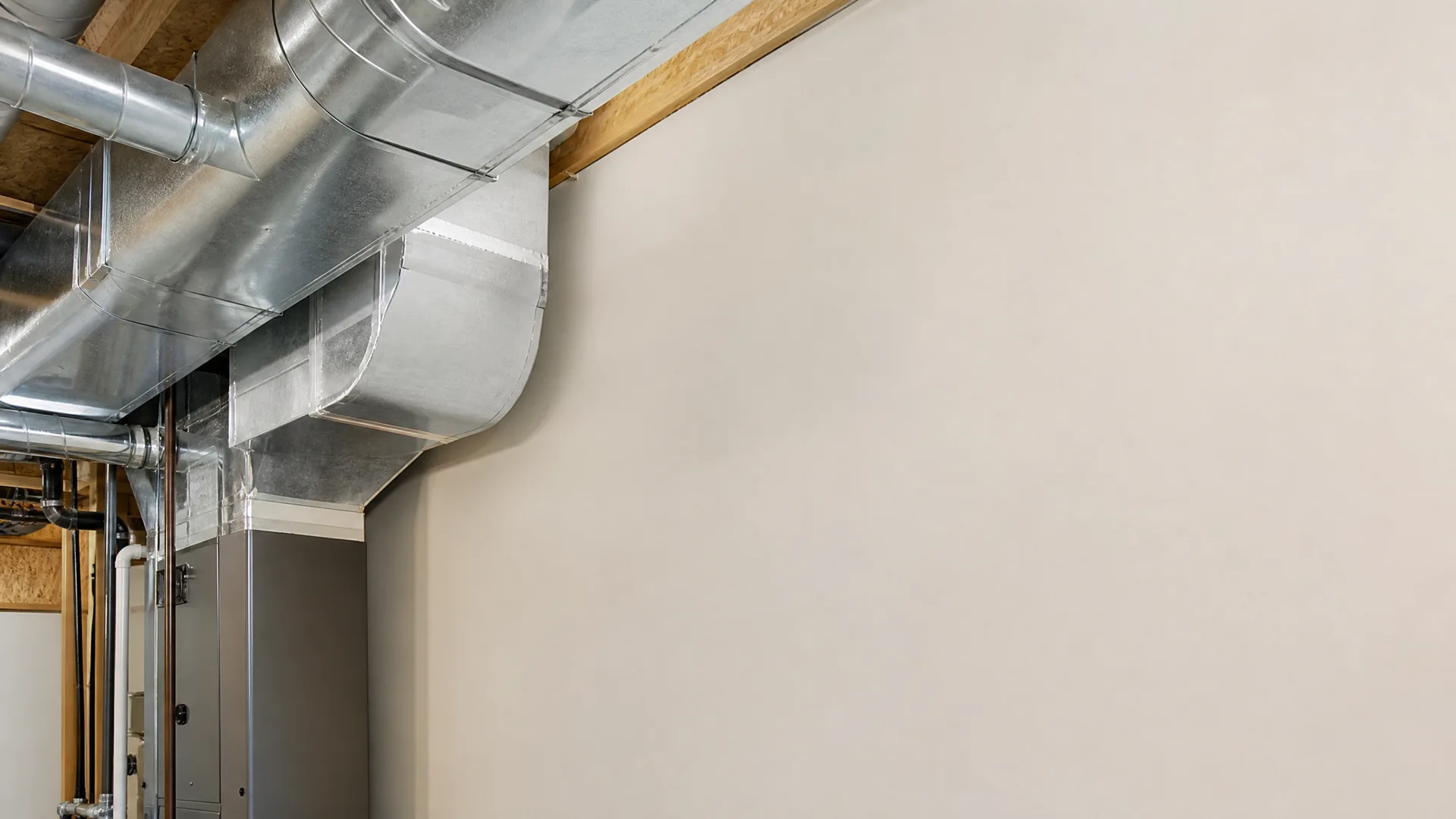
Dust that settles in a duct is mostly skin cells, fabric fibers and whatever blew in from outside before it ever reaches a filter. Once it's past the return, it sits in the trunk line and branches until airflow or a repair stirs it loose. A gas furnace running hard through a Buffalo County winter moves a lot of air across that buildup, which is why dust shows up at the registers in some homes and not others.
Why winters here raise the stakes
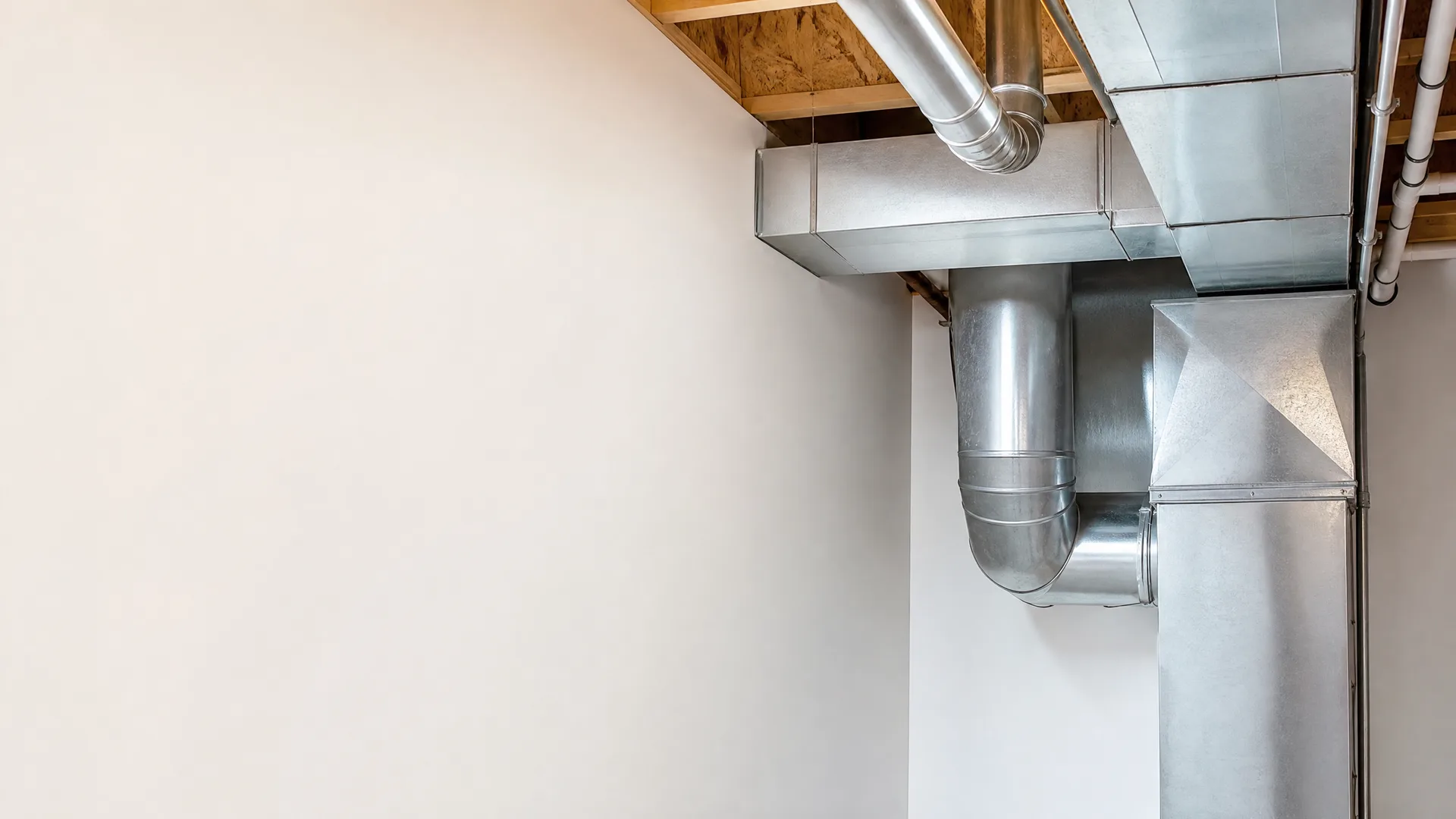
Hard winters mean the furnace runs long stretches without a break, pulling air through the same ducts day after day. If there's debris sitting in those runs, a longer heating season gives it more chances to get carried into the rooms you live in. That's not a reason to clean on a schedule, but it explains why a real problem, once it starts, doesn't stay small.
Clean Your Ducts or Leave Them
Clean them
- You've actually seen dust blow out of the registers when the furnace kicks on, not just dust on the furniture.
- Mice, birds or other pests got into the attic or crawlspace where the ducts run and left droppings or nests behind.
- Remodeling or a renovation left drywall dust or debris sitting in the trunk line.
- Someone in the house has allergies or breathing trouble that gets worse when the furnace or AC runs.
- A contractor who's looked at the actual ductwork, not a flyer in the mail, is the one telling you it's needed.
Skip it
- Nobody's seen dust kicking out of the vents and there's no history of pests in the attic or crawlspace.
- The ducts have never been opened up for remodeling work that would've dropped debris into them.
- The furnace and AC are running fine and nobody in the house is dealing with new allergy symptoms.
- Cheap power here means a blower working a little harder against dust isn't driving up what you pay.
- A sales call offering a cleaning on a set schedule isn't the same as a contractor who's looked at your actual system.




So does your furnace age or your house's age change any of this?
Half the homes here were built by 1980
Half the homes in Buffalo County went up in 1980 or earlier. Older duct runs have had more time to collect what a furnace or AC pushes through them.
Heat runs October through May
Heat runs October through May here, about eight months. That's a long stretch for dust to build up in a system that barely gets a break.
Cooling runs June through September
Cooling runs June through September. Four months of the AC moving the same air through those same ducts, on top of everything the furnace already pushed through.
ACS 2020-2024 · NOAA nClimDiv 1991-2020
Where that leaves your ducts
- Duct cleaning in Kearney pays off when there's a reason behind it, not as something you schedule every few years.
- Dust blowing visibly out of the registers, a pest problem in the attic, or recent remodel work are the signs worth acting on.
- Cheap power here means a dirty duct system costs you comfort and air quality more than it costs you on the electric bill.
- A contractor who works on Kearney furnace setups all winter knows which duct runs tend to collect debris and which don't.
- One licensed local contractor gets matched to your request, so you're not fielding calls from several companies at once.
- If none of those signs apply to your house, your ducts likely don't need cleaning right now.
So the answer comes down to what's actually happening in your house. No visible dust at the registers, no pests in the attic, no recent remodel dumping drywall dust into the return. If none of that describes your situation, cleaning won't do much for you right now, and the money is better spent elsewhere. If one of those does describe it, cleaning solves a real problem, and it solves it right away.
Buffalo County runs on cheap power, so a furnace or AC working a little harder against dirty ducts isn't going to show up much on your bill. What it shows up as is dust in the house and worse air quality, which matters if anyone there has allergies or just doesn't like breathing it.
Who does the work matters as much as whether it gets done. A furnace in Kearney runs hard from October through May, and a contractor who services that equipment all winter has seen which duct runs tend to collect debris and which ones stay clean year after year. That's not guesswork from a crew passing through. Send in a request and you get matched with one licensed local contractor, not a handful of companies competing for your callback. They look at your actual ducts, not a general rule about how often cleaning is supposed to happen, and tell you straight whether this is worth doing now or worth skipping.

Ductwork Cleaning
Let someone else find the pro

- Get matched with someone who does this kind of work in Buffalo County.
- Get matched with a Buffalo County pro who cleans ducts.

- After this form, you can stop searching for a duct system pro.
- One request and the search for a pro is handled.

- Skip searching for someone who cleans ducts in Buffalo County.
- Skip searching for a duct system pro and answer a few questions instead.

- The pro who reaches out is licensed in Nebraska.
- Only one pro gets your request, so you hear from one company.