
HVAC Repair in York, NE
Homes here need heat from October through May and cooling from June through September. If your system quits, tell us what it's doing and a licensed contractor who covers York County will get in touch.
Tell us about the job
It takes about a minute.
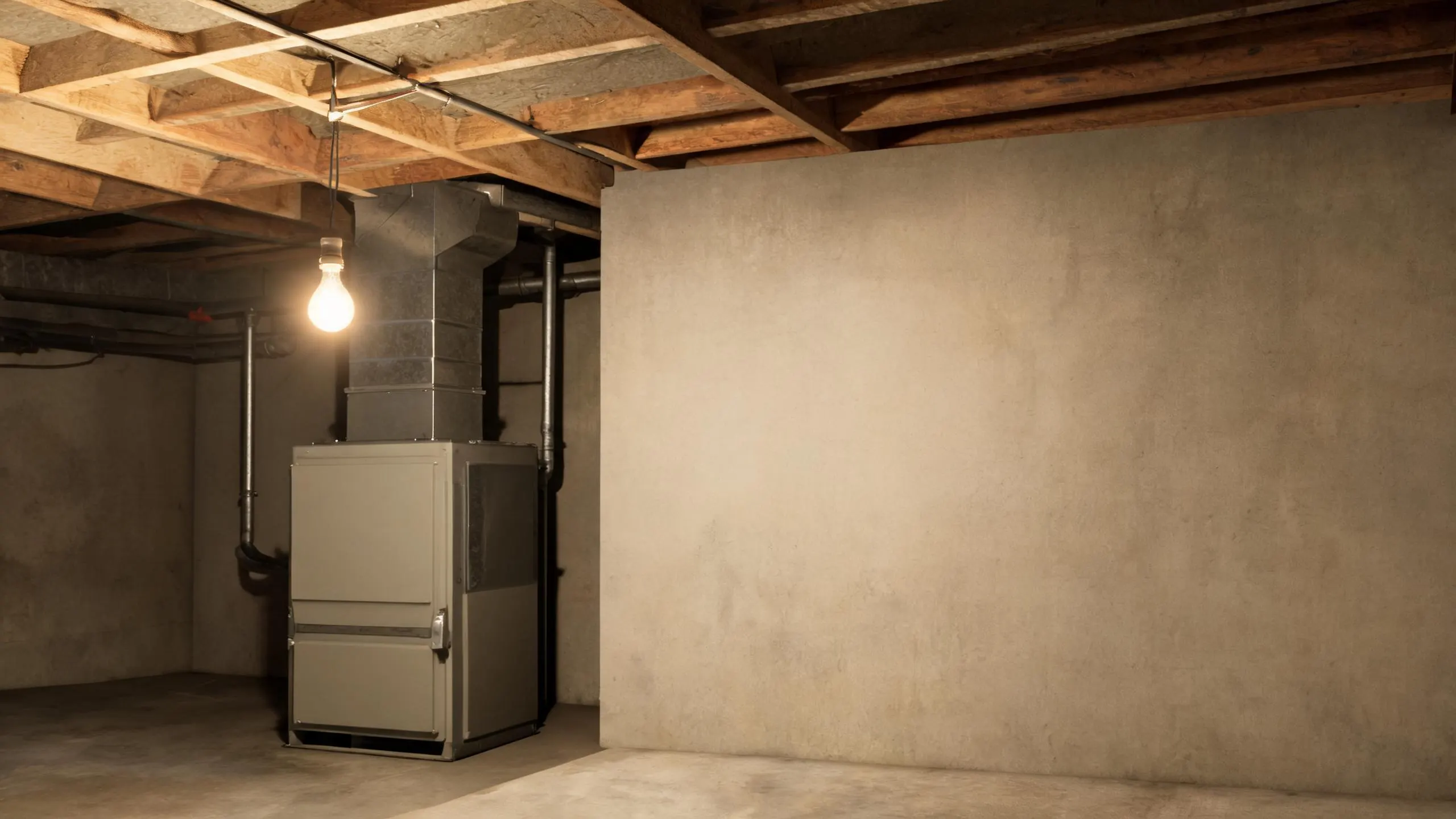
Eight months of heat, four of cooling, and a lot of wind in between
Your furnace is the machine that works hardest in York, with heat needed October through May and winter nights averaging 17°F. That kind of cold means long, frequent burner cycles, and every cycle puts wear on the igniter and the flame sensor. When one of those finally gives out, the burner won't light and the house goes cold on the coldest nights of the year, right when you need it most.
Summer asks less of the system, just four months of afternoons near 85°F, but it still runs the compressor hard on the hottest days. York County has also seen 17 winter storms and 73 damaging wind events over the past ten years, and a quarter of Nebraska households lost power for at least a day in 2024. A furnace or air conditioner that loses power and comes back on usually restarts fine, but the storms that cause those outages are also hard on outdoor units and the wiring that feeds them.
- 8 months
- October through May, your system heats
- 4 months
- June through September, it cools
- 17°F
- the average winter night it heats against
- 85°F
- the average summer afternoon it cools against
NOAA nClimDiv, 1991–2020 normals

A new furnace and air conditioner would cut about $120 a year off heating and cooling for a typical York County home.
Estimates for a typical York County home, compared with an older unit built to the previous federal minimum, from EIA household energy data, Nebraska fuel prices and NOAA climate normals. Your home will differ.
Repair makes sense when one part has failed.
Replacement makes sense when the furnace's heat exchanger is cracked, the air conditioner's compressor has failed, or repairs keep coming.
Nebraska requires contractors to register with the state.
Nebraska's registration puts the business on file with the Department of Labor. There is no trade exam behind it, no test of skill, just a record that the company exists and registered as required.
For a heating and cooling repair, that record does not tell you who checked the gas connections or the refrigerant work. It only tells you the business is on file with the state.
Source: Nebraska Legislature
- Why is my heat not working?
- Most of the time it comes down to power, gas, or airflow. If the thermostat screen is blank or the furnace makes no sound at all, check the breaker first. If the blower runs but no warm air comes out, the igniter may have failed or the gas valve isn't opening, both jobs for a contractor. With winter nights here averaging 17°F, a furnace that's out for even a few hours in the middle of the night is worth calling in before it gets worse.
- Why is my system running but not cooling the house?
- The blower is moving air, but something is stopping that air from carrying heat out of the house. A dirty filter is the first thing to check, since it chokes airflow across the coil and can cause the coil to freeze. If the filter is clean and the vents are blowing but the air isn't cold, the refrigerant charge is likely low, and that needs a contractor with gauges to confirm and fix. Running a system with a frozen coil or low refrigerant for too long can damage the compressor, so don't let it run for hours hoping it corrects itself.
- What can I check before calling for HVAC repair?
- Start with the thermostat. Make sure it's set to heat or cool as needed and the batteries aren't dead. Check the breaker panel for a tripped switch, and check the filter, since a clogged one causes both weak heat and weak cooling. If the outdoor unit is involved, make sure nothing is blocking it and that it's getting power. If you've checked these and the problem is still there, a contractor will need to look at the parts inside the cabinet, like the igniter, the capacitor, or the refrigerant charge.