
HVAC Repair in South Sioux City, NE
Homes here need heat from October through May and cooling from June through August. If your system quits, tell us what it's doing and a licensed contractor who covers Dakota County will get in touch.
Tell us about the job
It takes about a minute.
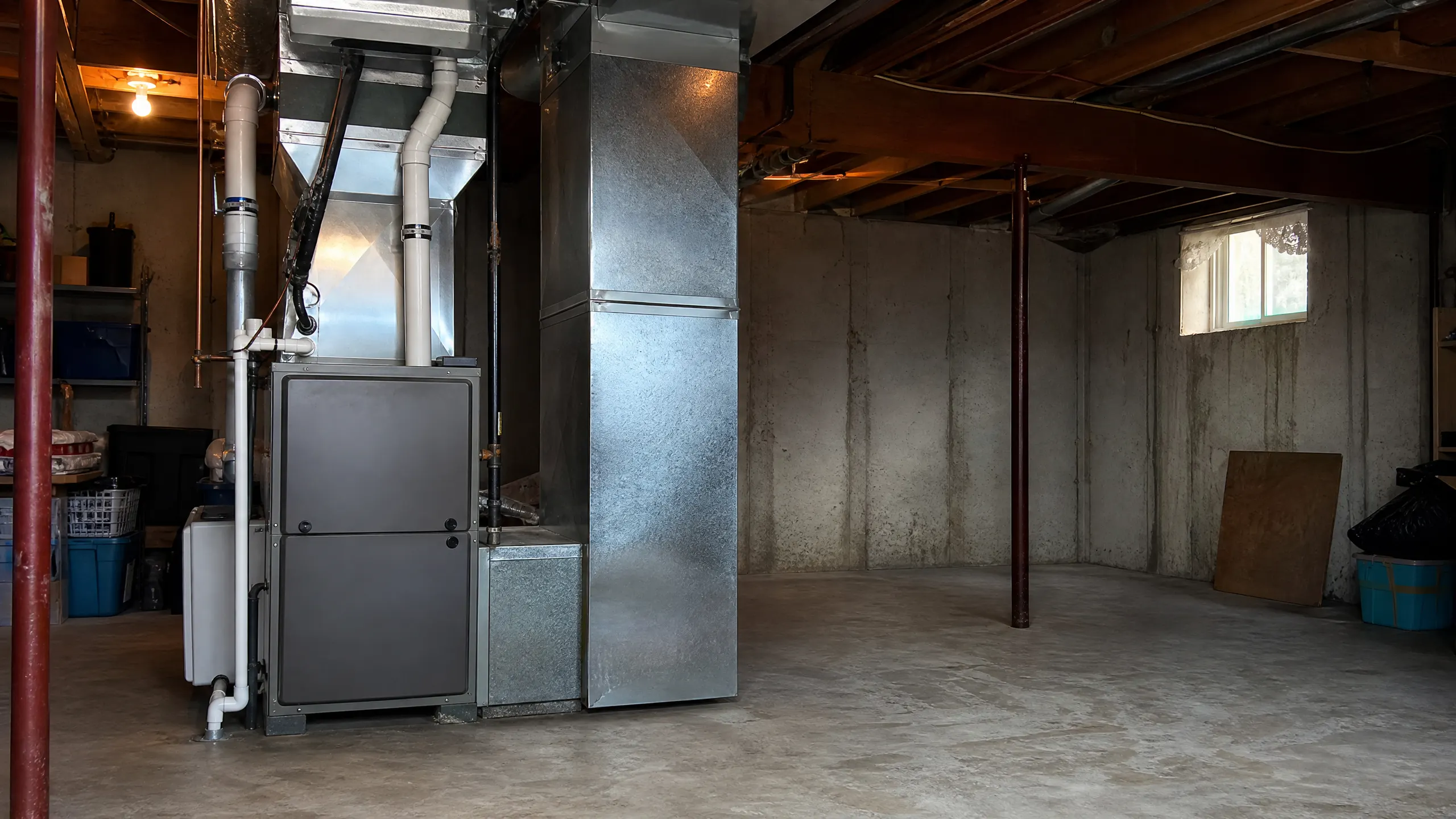
Eleven months of work a year, with hard winters and hard wind
Your furnace carries the load from October through May here, and on the coldest nights it is fighting to keep up with lows near 14°F. That means more cycles, more starts, more wear on the igniter and the heat exchanger. Then summer hands the job to the air conditioner for June through August, pushing against afternoons near 83°F. Most of the year, something in your system is working to keep up.
Dakota County has seen 26 winter storms and 22 damaging wind events over the last ten years, and a quarter of Nebraska households lost power for at least a day in 2024. A storm that knocks out power can knock out your heat or your cooling right when you need it most, and when the power comes back, your system needs to as well.
- 8 months
- October through May, your system heats
- 3 months
- June through August, it cools
- 14°F
- the average winter night it heats against
- 83°F
- the average summer afternoon it cools against
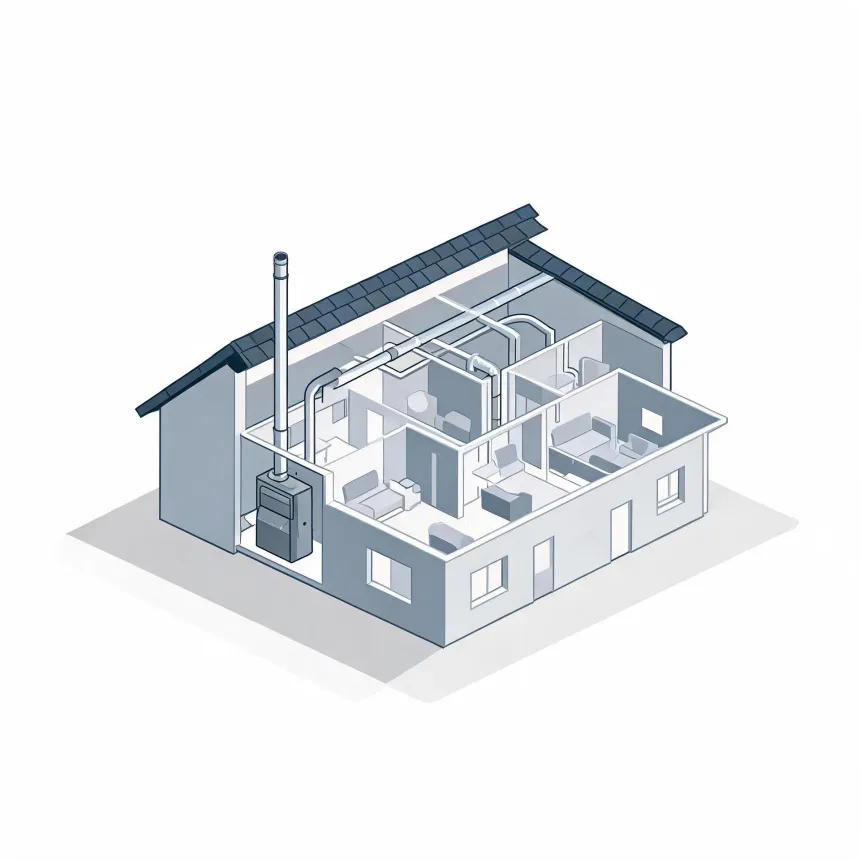
NOAA nClimDiv, 1991–2020 normals
Nebraska requires contractors to register with the state.
Nebraska's registration puts the contractor's business on file with the Department of Labor. That is what it is, a record that the business exists and is registered to work in the state. There is no trade exam behind it. A registration number tells you the business is on record. It does not tell you who is qualified to work on your furnace or your air conditioner.
For a repair on a heating and cooling system, that registration is a business record and nothing more. It is not a test of the work, and it is not what stands behind a bad connection or a wiring mistake. Nebraska's rule stops at the record.
Source: Nebraska Legislature
- Why is my heat not working?
- Start with the thermostat and the power to the furnace. If the thermostat screen is blank, check the breaker, and check that the furnace switch, the one that looks like a light switch near the unit, is on. Many no-heat calls trace back to a dead thermostat battery or a tripped breaker rather than the furnace itself. If power and settings look right and you still have no heat, the igniter or the flame sensor may have failed, and that needs a contractor to check. At 14°F on a winter night here, do not wait long before calling one.
- Why is my system running but not cooling the house?
- Check the air filter first. A filter clogged with dust blocks airflow across the coil, and when air cannot move past it the system struggles to pull heat out of your home even though it runs the whole time. Check that the outdoor unit is not blocked by leaves or grass clippings, and that every supply vent inside is open. If the filter is clean and the outdoor unit is clear and you still get warm air, the refrigerant charge may be low, and only a contractor can check that with gauges.
- What can I check before calling for HVAC repair?
- Check the thermostat batteries and settings, check the breaker for the system, and check the air filter. On a furnace, look for a reset switch near the unit and make sure it is on. On an outdoor condenser, clear away any leaves, grass, or ice blocking the sides. These take a few minutes and rule out the simplest causes before a contractor comes out to look at the rest.