
HVAC Repair in Plattsmouth, NE
Homes here need heat from October through May and cooling from June through September. If your system quits, tell us what it's doing and a licensed contractor who covers Cass County will get in touch.
Tell us about the job
It takes about a minute.
Plattsmouth runs its system almost year round
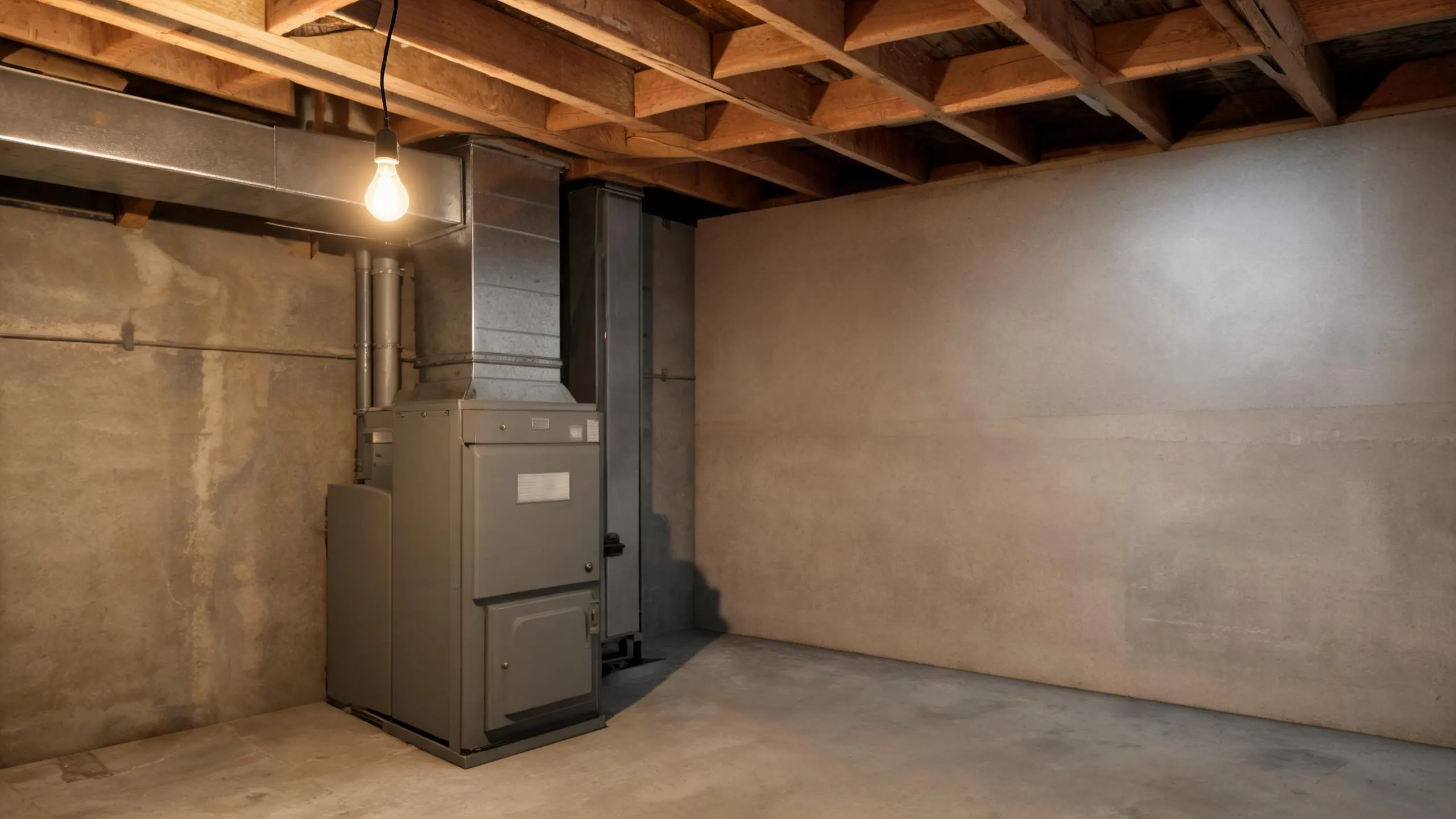
Your furnace and air conditioner cover 12 months here, with only a short break in spring and fall. Winter nights average 18°F from December through February, cold enough that the furnace runs long stretches to keep up. Summer afternoons average 85°F, so the air conditioner puts in real hours too. That much runtime wears on the parts that start the system up, the igniter on a gas furnace and the capacitor on the air conditioner.
Cass County has seen 16 winter storms and 63 damaging wind events over the past ten years, and across Nebraska a quarter of households lost power for a day or more in 2024. When the power drops and comes back, most furnaces and air conditioners restart on their own, but a system already worn down by the swings in weather here is more likely to fail when it's asked to start back up.
- 8 months
- October through May, your system heats
- 4 months
- June through September, it cools
- 18°F
- the average winter night it heats against
- 85°F
- the average summer afternoon it cools against
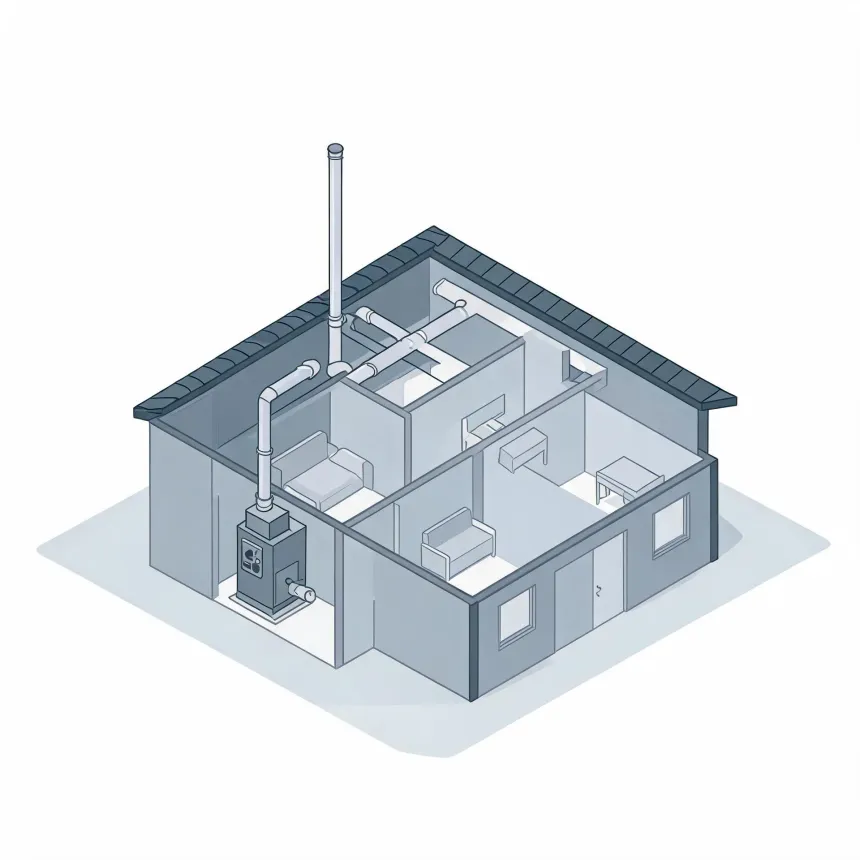
NOAA nClimDiv, 1991–2020 normals
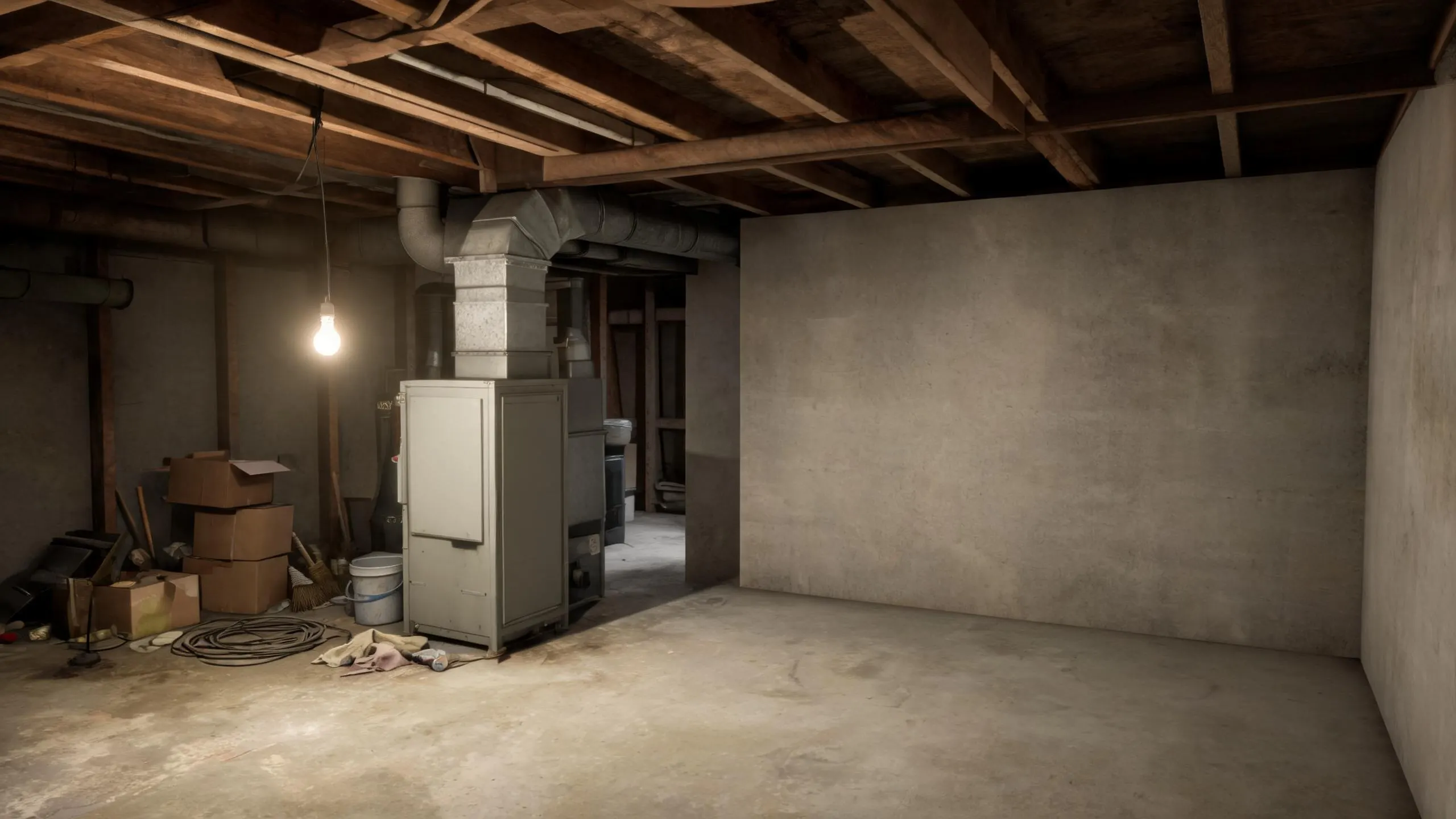
A new furnace and air conditioner would cut about $110 a year off heating and cooling for a typical Cass County home.
Estimates for a typical Cass County home, compared with an older unit built to the previous federal minimum, from EIA household energy data, Nebraska fuel prices and NOAA climate normals. Your home will differ.
Repair makes sense when one part has failed.
Replacement makes sense when the furnace's heat exchanger is cracked, the air conditioner's compressor has failed, or repairs keep coming.
Nebraska requires contractors to register with the state.
That registration puts the business on file with the Department of Labor and nothing more. Nebraska does not test contractors on the trade before they take this kind of job, so the registration is not a record of what anyone knows about a furnace or an air conditioner, only that the business exists on paper.
For a repair on your heating and cooling system, that record is what the state offers. Nothing in Nebraska's rule speaks to gas connections or refrigerant work specifically, and nothing in it tests whether a contractor can do either safely. The registration tells you the business is known to the state. It does not tell you the work will be checked.
Source: Nebraska Legislature
- Why is my heat not working?
- Start with the thermostat and the power to the furnace before you assume the worst. Check that the thermostat is set to heat and the temperature is above room temperature, then check the furnace switch and the breaker. If the furnace has a standing pilot, see if it is still lit. Winter nights here average 18°F, so a furnace that will not start needs a contractor out quickly rather than a wait and see approach.
- Why is my system running but not cooling the house?
- A system that runs without cooling is usually short on airflow or short on refrigerant. Check the filter first, since a clogged one starves the coil of air and can cause it to freeze. If the filter is clean and the vents are open but the air coming out is not cold, the problem is likely inside the unit and needs a contractor to diagnose. On an 85°F afternoon a system stuck in this state will not catch up on its own.
- What can I check before calling for HVAC repair?
- Check the thermostat settings, the batteries in the thermostat if it has them, the breaker for the system, and the filter. A tripped breaker or a dead thermostat battery looks like a much bigger problem than it is. If those all check out and the system still is not heating or cooling right, a contractor will need to look at it directly to find the cause.