
HVAC Installation in Scottsbluff, NE
A new system here will heat from October through May and cool from June through August every year. Tell us about the house, and a licensed contractor who covers Scotts Bluff County will get in touch.
Tell us about the job
It takes about a minute.
Eleven months of work a year
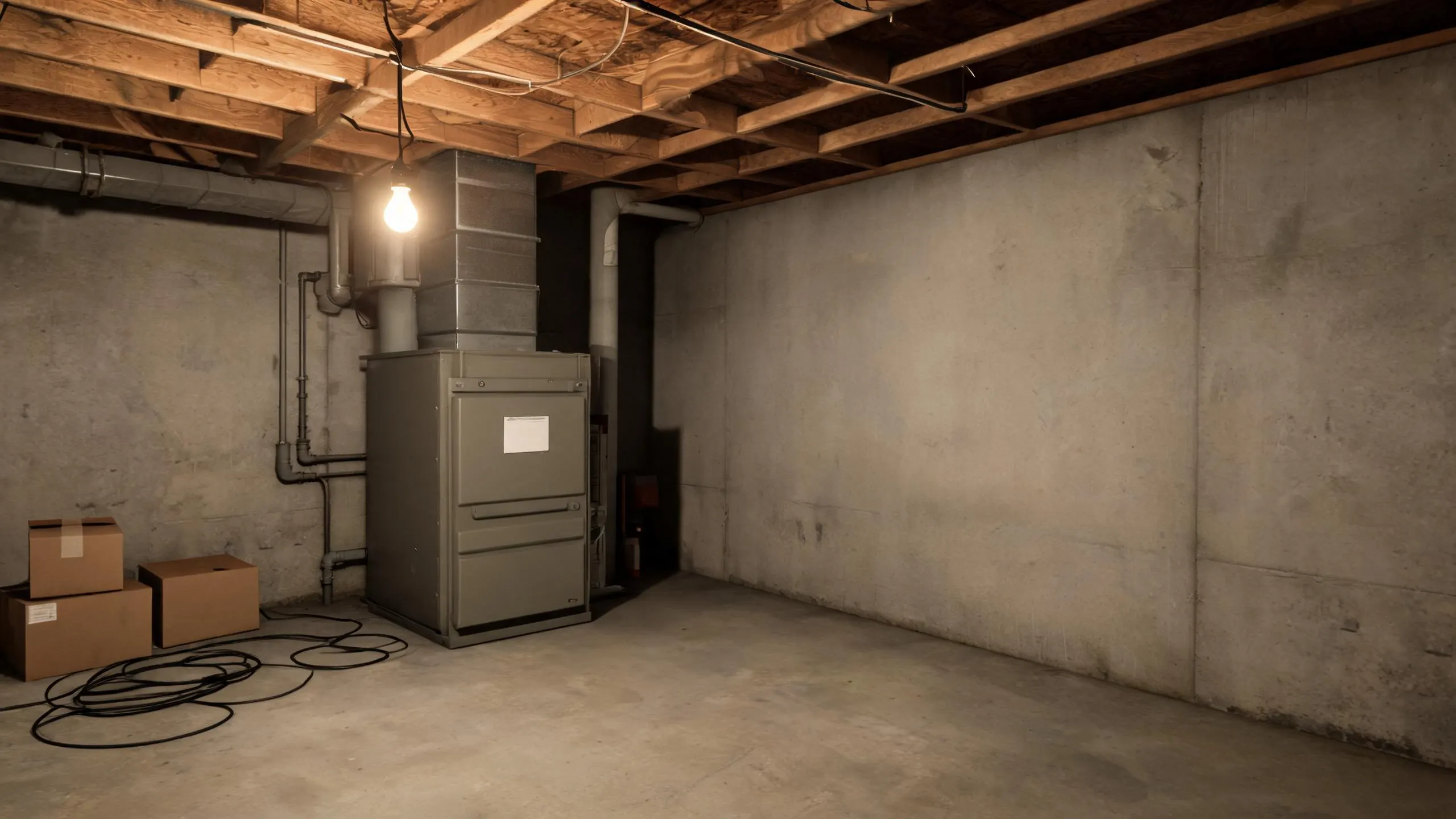
Winter nights around Scottsbluff average 16°F, and homes here need heat from October through May. That is eight months for a furnace to hold up against real cold. Add the three months of summer afternoons near 86°F, and the system you install is working eleven months out of the year. Most homes here heat with gas, so the furnace carries most of that load.
A new system has to be sized for both ends of that range, not just one. Nebraska sees its share of storms too, 39 winter storms and 144 damaging wind events recorded here over the past ten years, and a quarter of the state's households lost power for a day or more in 2024. Most furnaces and central air conditioners need that power back before they start again, though a furnace with a standing pilot will relight on its own.
- 8 months
- October through May, your system heats
- 3 months
- June through August, it cools
- 16°F
- the average winter night it heats against
- 86°F
- the average summer afternoon it cools against
NOAA nClimDiv, 1991–2020 normals
Nebraska requires contractors to register with the state.
That registration puts the business on file with the Department of Labor and nothing more. There is no trade exam behind it, so the state has not tested the contractor's work and keeps no record of how well past jobs were done. It tells you the business exists on paper, not that the state stands behind the installation.
For this job, the protection comes from the local building office instead of the state. Replacing a furnace, air conditioner or heat pump in most cities and counties needs a permit, and the finished work gets an inspection when it's done. That is where this installation gets checked, since Nebraska's registration does not cover the work itself.
Source: Nebraska Legislature
- When should I replace my HVAC system?
- Once your furnace or air conditioner is breaking down more than once a season, or a contractor tells you a repair costs more than the unit is worth, it's time to replace it. Age matters too. A furnace working hard for 8 months a year here, October through May, wears faster than one in a milder climate. If your system is old enough that parts are getting hard to find, or your winter heating bills keep climbing while the house stays cold, don't wait for it to fail on a night when it's 16 degrees outside.
- Should I replace my furnace and air conditioner at the same time?
- If both are old, yes, it makes sense to do them together. Homes here run the furnace 8 months a year and the air conditioner 3, so both units see real use and tend to age at a similar rate. Replacing them at the same time also means the new furnace and air conditioner are matched to work together properly. A contractor can look at the age and condition of each and tell you whether one has real life left in it or whether it makes more sense to do both now.
- What happens during an HVAC installation?
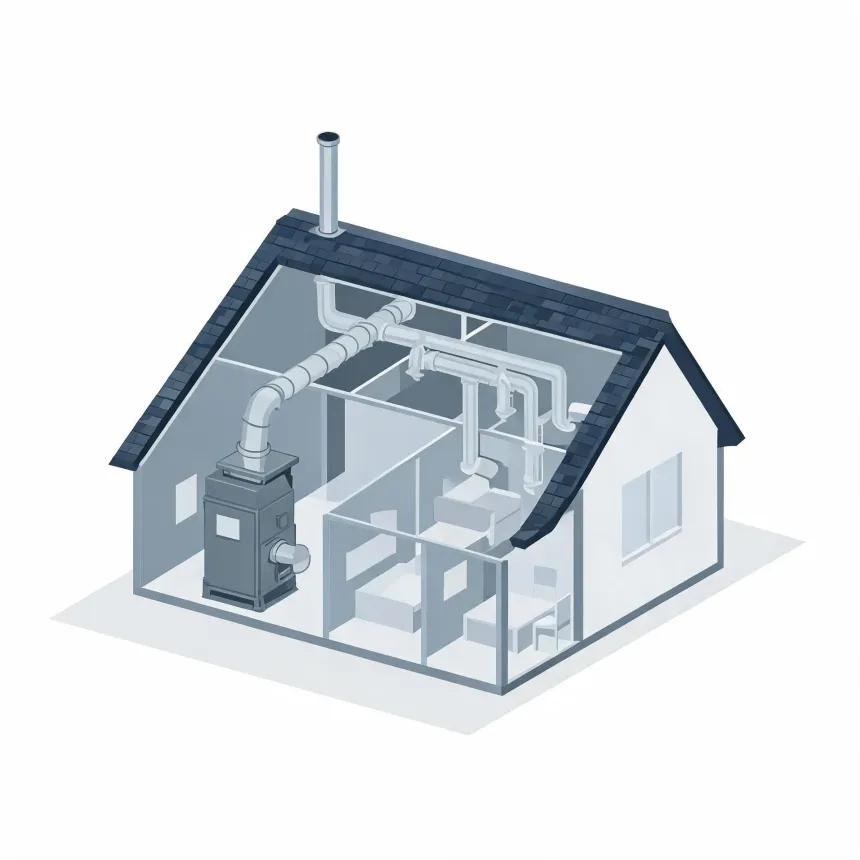
- A contractor removes the old furnace and air conditioner, or heat pump, and sets the new equipment in place, then connects it to your ductwork, gas line or electrical circuit, and the refrigerant lines if it's an air conditioner or heat pump. They test the system to make sure it heats and cools correctly and check for gas leaks or refrigerant leaks before they finish. Replacing a furnace or air conditioner needs a permit from the local building office in most places, and an inspector checks the work once it's done. That inspection is there to confirm the gas connections, wiring and venting are safe, so don't skip it even if a contractor offers to.