
HVAC Installation in North Platte, NE
A new system here will heat from October through May and cool from June through August every year. Tell us about the house, and a licensed contractor who covers Lincoln County will get in touch.
Tell us about the job
It takes about a minute.
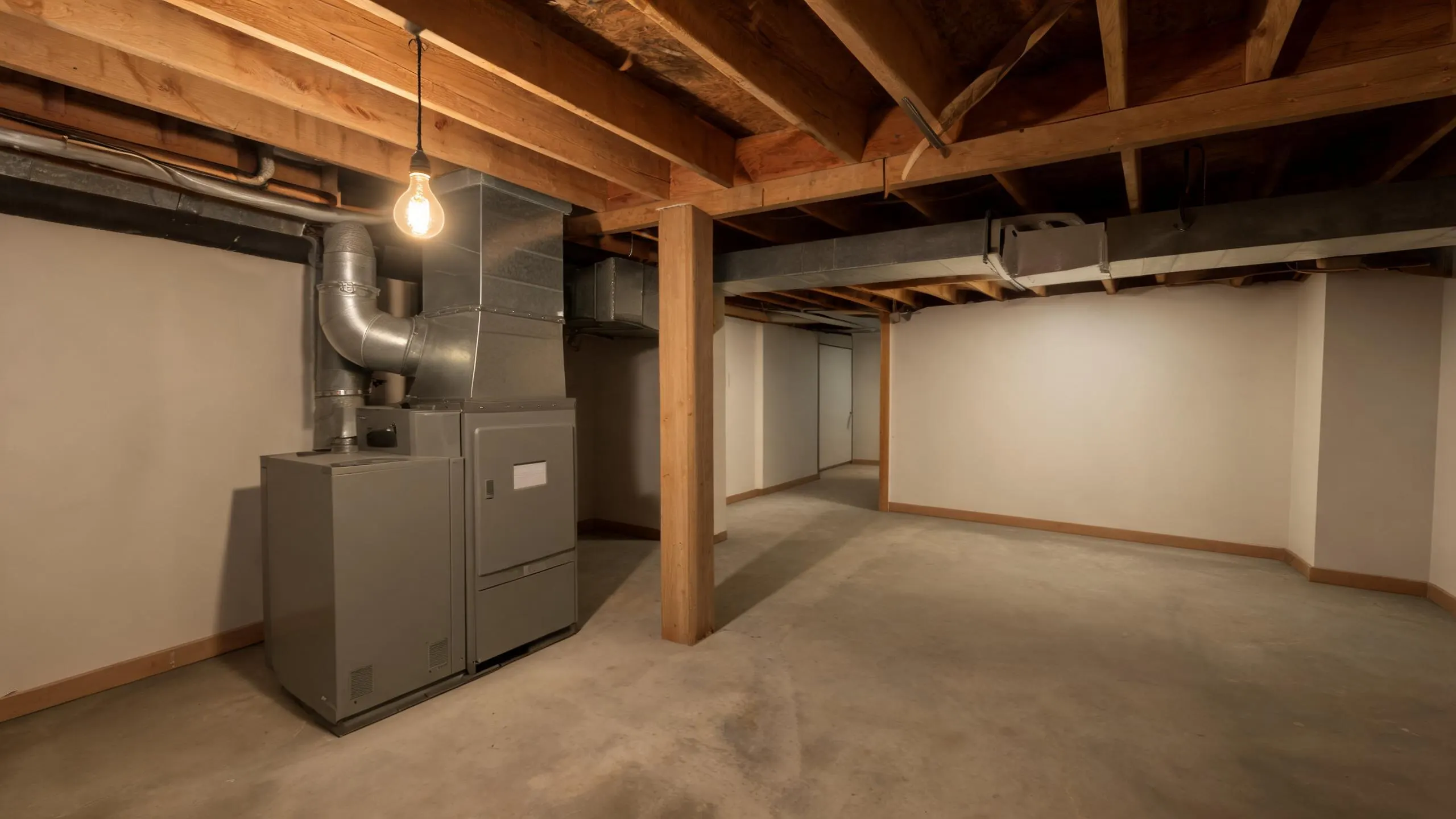
North Platte asks a lot of a heating and cooling system
Winter nights here average 16°F from December through February, and a new furnace has to hold a house against that for eight months, October through May. Summer only asks three months of it, June through August, with afternoons averaging 86°F. Eleven months of the year, something in your house is working to keep you comfortable.
Most homes in Lincoln County heat with gas. Whatever you install has to be sized for both jobs, the long cold stretch and the shorter hot one, not just one or the other. And this is a place that loses power. A quarter of Nebraska households went at least a day without it in 2024, and the last ten years brought 18 winter storms and 248 damaging wind events. A new system should hold up to that, and come back on by itself when the power does.
- 8 months
- October through May, your system heats
- 3 months
- June through August, it cools
- 16°F
- the average winter night it heats against
- 86°F
- the average summer afternoon it cools against
NOAA nClimDiv, 1991–2020 normals
Nebraska requires contractors to register with the state.
Registering with the Department of Labor puts a business on file with the state. It does not mean anyone tested the contractor's work or checked their qualifications. There is no trade exam behind it, so the registration tells you the business exists and is on record, nothing more.
For an installation like this, the protection comes from the local permit process instead. In most cities and counties, putting in a new furnace, air conditioner or heat pump needs a permit from the local building office, and the finished work gets an inspection when it's done. That inspection is what catches a bad gas connection or a wiring mistake, the part of an installation where an error actually puts the house at risk. Whether that inspection happens here depends on the rules of the local building office, not on the state registration, which does not test anyone's work.
Source: Nebraska Legislature
- When should I replace my HVAC system?
- Replace it when repairs stop making sense, or when the system is old enough that another breakdown is just a matter of time. If you're calling for the same problem a second or third time, that's a sign. If a contractor tells you the repair costs a real fraction of what a new system would, that's a sign too. Homes here need heat or cooling 11 months of the year, so a system that fails when it's needed most is a bigger problem than it would be somewhere milder. It's worth replacing an aging unit before it quits rather than after.
- Should I replace my furnace and air conditioner at the same time?
- If both units are close in age, yes, and there's a real reason beyond convenience. A furnace and air conditioner installed together are matched to work as a system, and pairing an old one with a new one can mean neither runs the way it was designed to. Replacing them together also means one visit and one inspection, instead of a gap where an aging unit is left to fail on its own later. If one is much newer than the other, a contractor can tell you whether it's worth keeping for now.
- What happens during an HVAC installation?
- A contractor removes the old furnace and air conditioner or heat pump, then sets the new equipment in place and connects it to the ductwork, the gas line or electrical circuit, and the refrigerant lines if there's an outdoor unit. Once everything is connected, they test the system to make sure it heats, cools, and cycles the way it should. Replacing this kind of equipment needs a permit from the local building office, and the job gets inspected once it's done. That inspection confirms the work meets code before the system goes into regular use.