
HVAC Installation in Grand Island, NE
A new system here will heat from October through May and cool from June through September every year. Tell us about the house, and a licensed contractor who covers Hall County will get in touch.
Tell us about the job
It takes about a minute.
A system built for Grand Island's full year
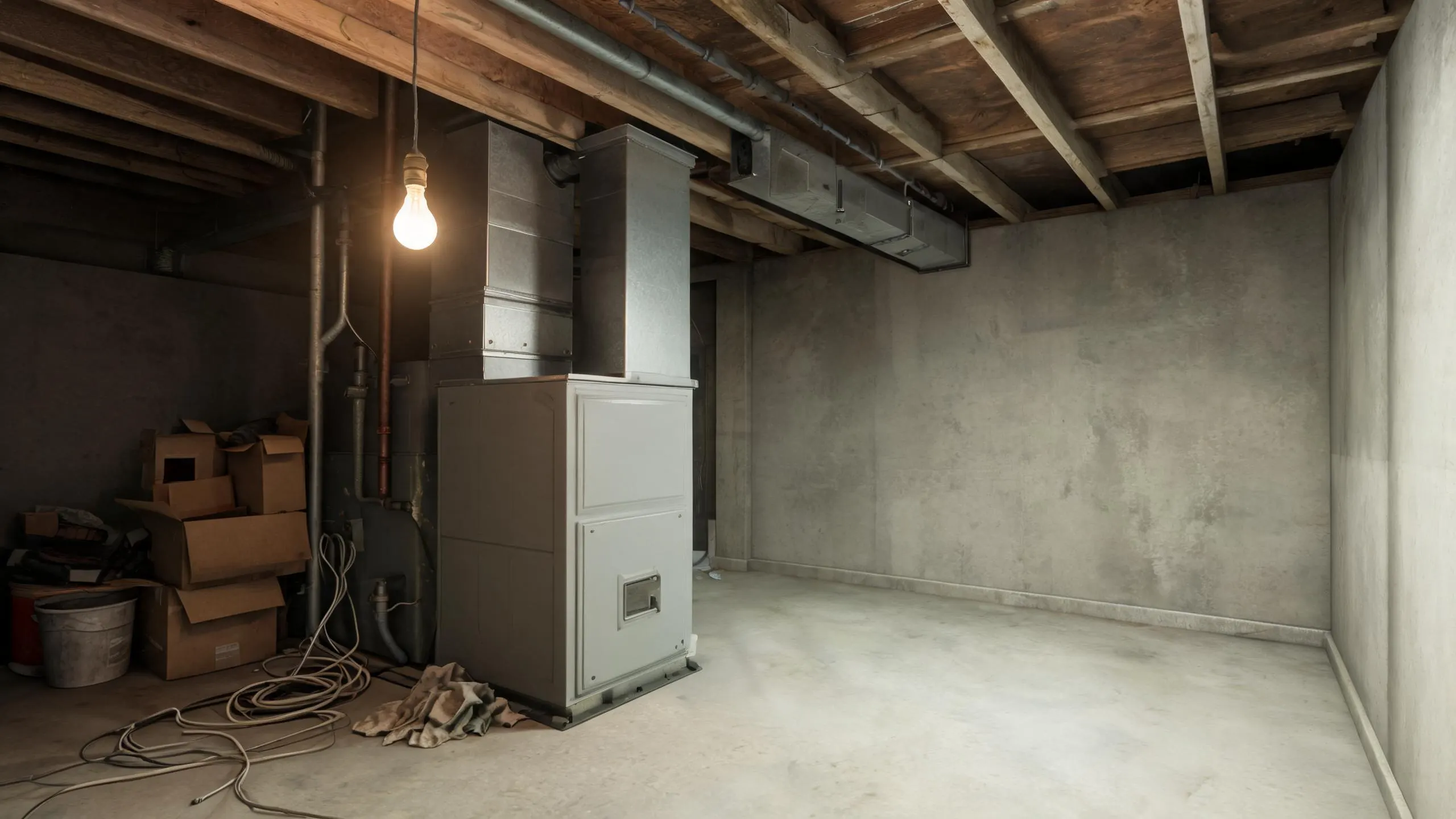
There is no season off here. Homes in Hall County need heat from October through May and cooling from June through September, which means whatever you install runs nearly every month. Winter nights average 17°F from December through February, so the heating side has to hold up on real cold, not just take the edge off. Summer afternoons average 85°F, so the cooling side has real work to do too.
Most homes here heat with gas, and a new furnace has to meet the federal minimum efficiency rating for this region. Nebraska sees its share of hard weather too, with 22 winter storms and 117 damaging wind events recorded over the last ten years, and a quarter of the state's households lost power for at least 24 hours in 2024. A new system should be sized and installed to start back up on its own once the power is back, without someone having to reset it by hand.
- 8 months
- October through May, your system heats
- 4 months
- June through September, it cools
- 17°F
- the average winter night it heats against
- 85°F
- the average summer afternoon it cools against
NOAA nClimDiv, 1991–2020 normals
Nebraska requires contractors to register with the state.
Registering with the Department of Labor puts a contractor's business on file with the state. Nobody tests their work to get there. There's no exam behind it and no license number that says the state stood behind their trade skill, just a record that they're a real business operating in Nebraska.
For a job like putting in a new furnace, air conditioner or heat pump, the check comes from the local building office instead. In most cities and counties this kind of installation needs a permit, and the work gets inspected once it's done. That inspection is what catches a bad gas connection or a flue that isn't venting right, the parts of the job that can hurt someone if they're wrong.
Source: Nebraska Legislature
- When should I replace my HVAC system?
- Replace it when repairs start costing more than they used to, or when the system can't keep up on the coldest or hottest days. Homes here need heat from October through May and cooling from June through September, so the system is working most of the year, and an old unit has little time to rest between seasons. If you're calling for the same problem more than once, or a contractor tells you the parts are getting hard to find, that's usually the sign it's time.
- Should I replace my furnace and air conditioner at the same time?
- If both are old, replacing them together often makes sense, but it depends on the condition of each one. A furnace and air conditioner installed years apart may not be the same age, and one can still have plenty of life left. A contractor can look at both and tell you whether pairing them or replacing one now makes more sense for your house.
- What happens during an HVAC installation?
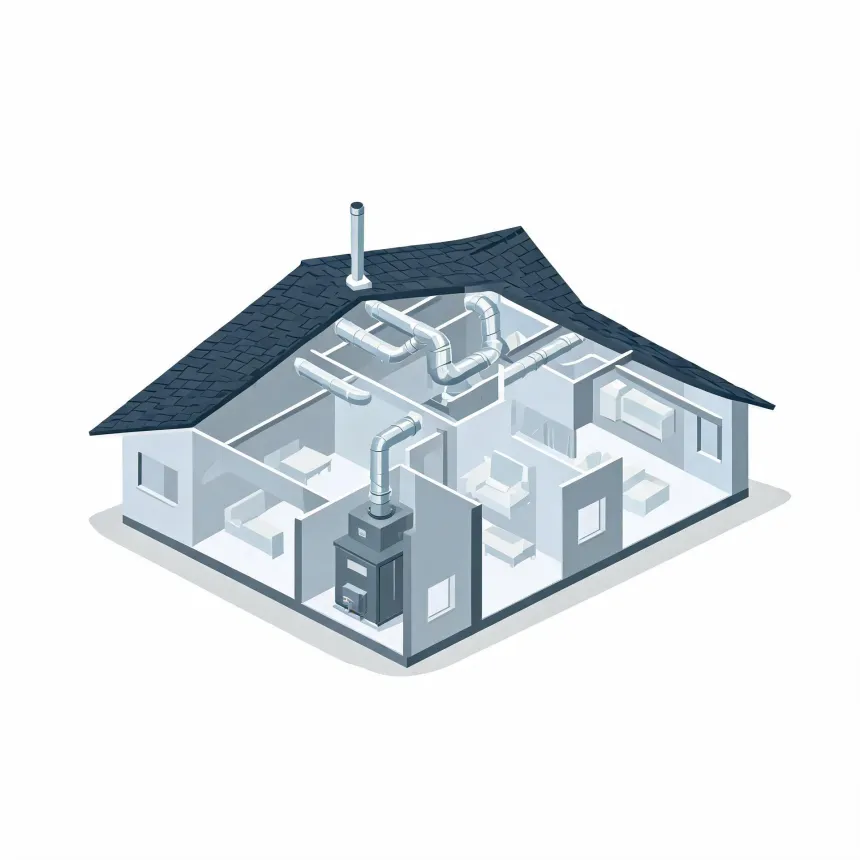
- A contractor removes the old equipment, sets the new furnace, air conditioner or heat pump in place, and connects it to the ductwork, gas line or refrigerant lines, and electrical. They check the ducts for leaks or sizing problems before closing everything up, then test the system to make sure it heats and cools correctly. Most cities and counties require a permit for this work and an inspection once it's done, so the contractor should handle that as part of the job.