
HVAC Installation in Crete, NE
A new system here will heat from October through May and cool from June through September every year. Tell us about the house, and a licensed contractor who covers Saline County will get in touch.
Tell us about the job
It takes about a minute.
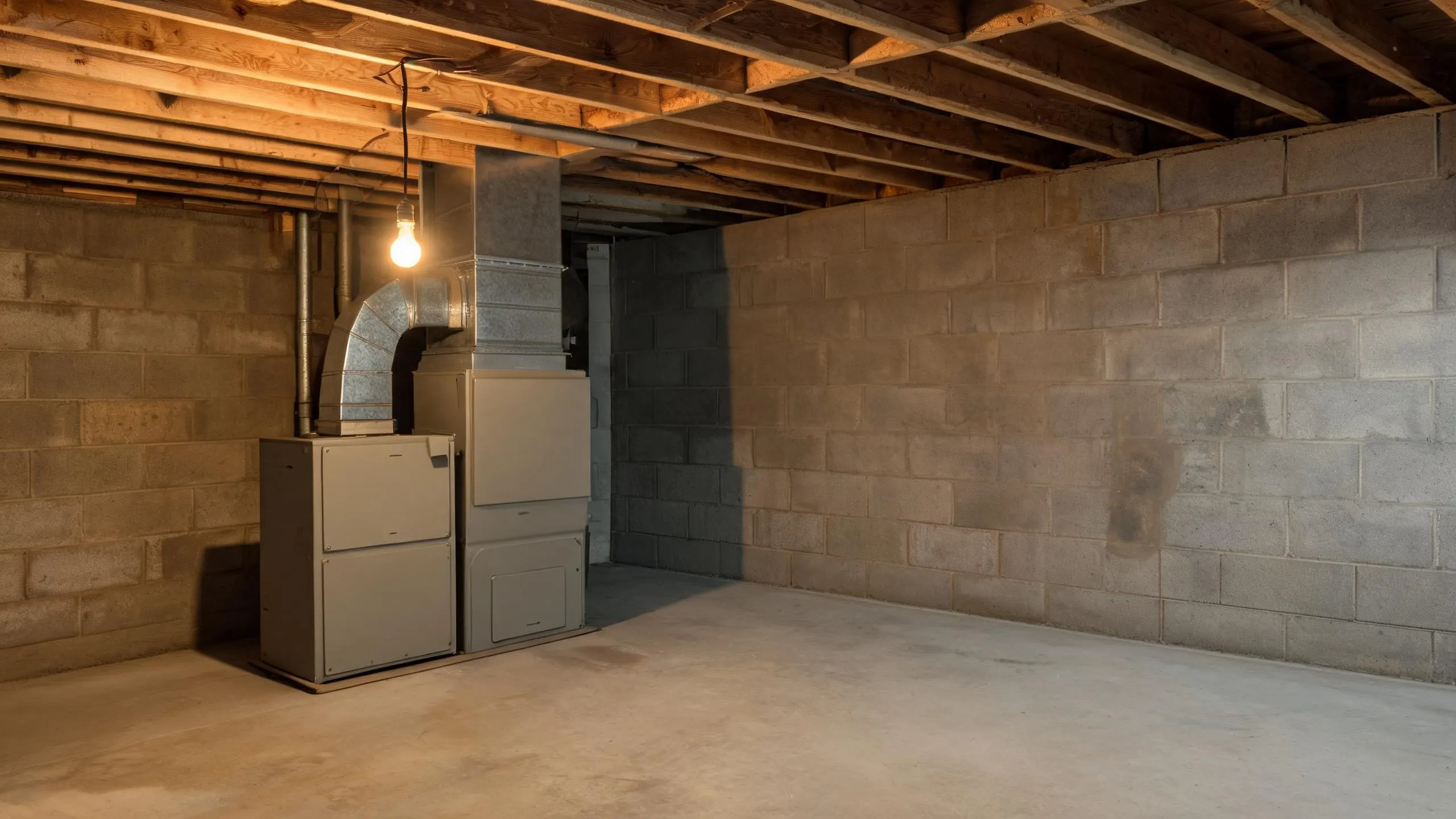
What a system here has to handle
Crete gets both ends of it. Winter nights average 18°F from December through February, and summer afternoons average 86°F. Homes need heat from October through May, eight months, and cooling from June through September, the other four. That leaves almost no month where a furnace or air conditioner is sitting idle.
A system built for that has to hold up on both sides, not just get through the cold. And with 25% of Nebraska households going at least 24 hours without power in 2024, it's worth asking a contractor how a new furnace or air conditioner handles an outage, since none of them run without power to start up.
- 8 months
- October through May, your system heats
- 4 months
- June through September, it cools
- 18°F
- the average winter night it heats against
- 86°F
- the average summer afternoon it cools against
NOAA nClimDiv, 1991–2020 normals
Nebraska requires contractors to register with the state.
Registering with the Department of Labor puts a contractor's business on file with the state. Nobody tests their work to get on that list, so the registration tells you the business exists and is on record, not that anyone checked their skill.
For a heating and cooling install, the protection in Saline County comes from the local building office. In most cities and counties, replacing a furnace, air conditioner or heat pump needs a permit, and the finished work gets inspected before it's signed off. That inspection is what checks the gas and electrical connections and the refrigerant lines, not the state registration.
Source: Nebraska Legislature
- When should I replace my HVAC system?
- Once your furnace or air conditioner is breaking down more than once a season, or a contractor tells you the heat exchanger or coil is failing, it's time to replace rather than repair again. Age matters too. A furnace or AC in the teens is working harder than it used to, and here that means eight months of heat and four months of cooling every single year, with no real break in between. If your energy bills have crept up without a clear cause, that's often the system losing efficiency as it ages out.
- Should I replace my furnace and air conditioner at the same time?
- If both are old, yes, and here's the practical reason. Your furnace and AC share the same blower and the same ductwork, so a mismatched pair, one new and one old, won't perform the way a matched system does. Replacing them together also means one round of work instead of two. If one unit is much newer than the other, a contractor can tell you whether it's worth pairing with a new match or replacing on its own later.
- What happens during an HVAC installation?
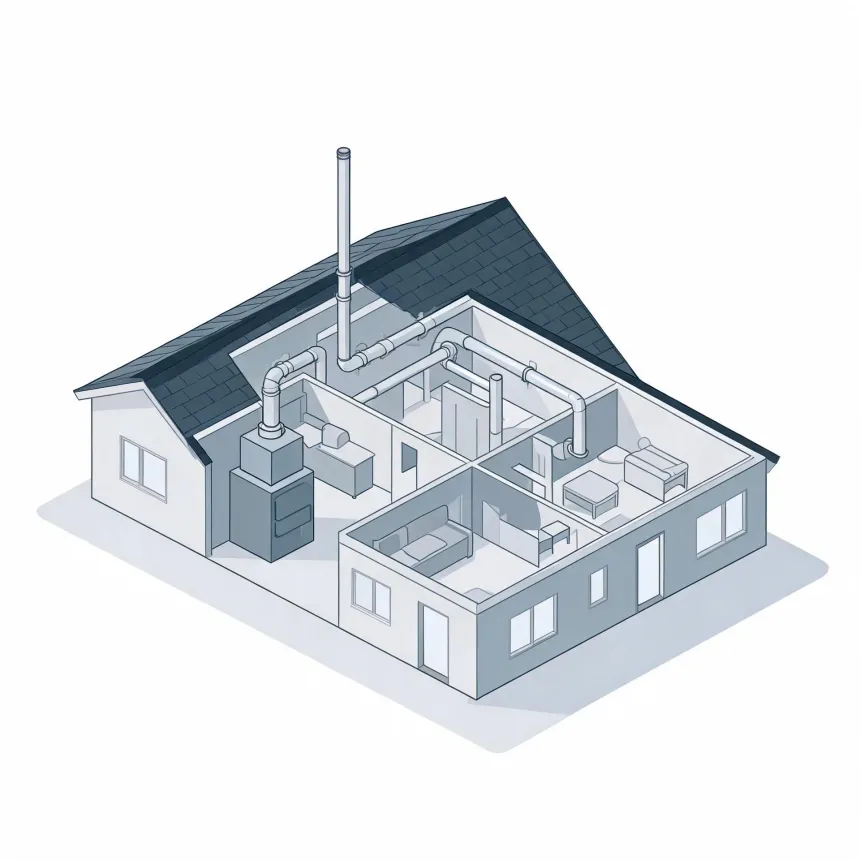
- A contractor removes the old furnace and air conditioner, sets the new equipment, and connects it to your existing ductwork, gas line, and electrical. They'll check the ducts for leaks or damage while everything is open, since that's the easiest time to fix them. After the new system is running, they test it, check refrigerant levels and airflow, and walk you through the thermostat. Replacing a furnace or air conditioner needs a permit from the local building office in most cities and counties, plus an inspection once the work is done, so expect that step as part of the job.