
Furnace Installation in Beatrice, NE
A new furnace here will run from October through May every year. Tell us about the house, and a licensed contractor who covers Gage County will get in touch.
Tell us about the job
It takes about a minute.
Eight months of heat, down to 18 degrees
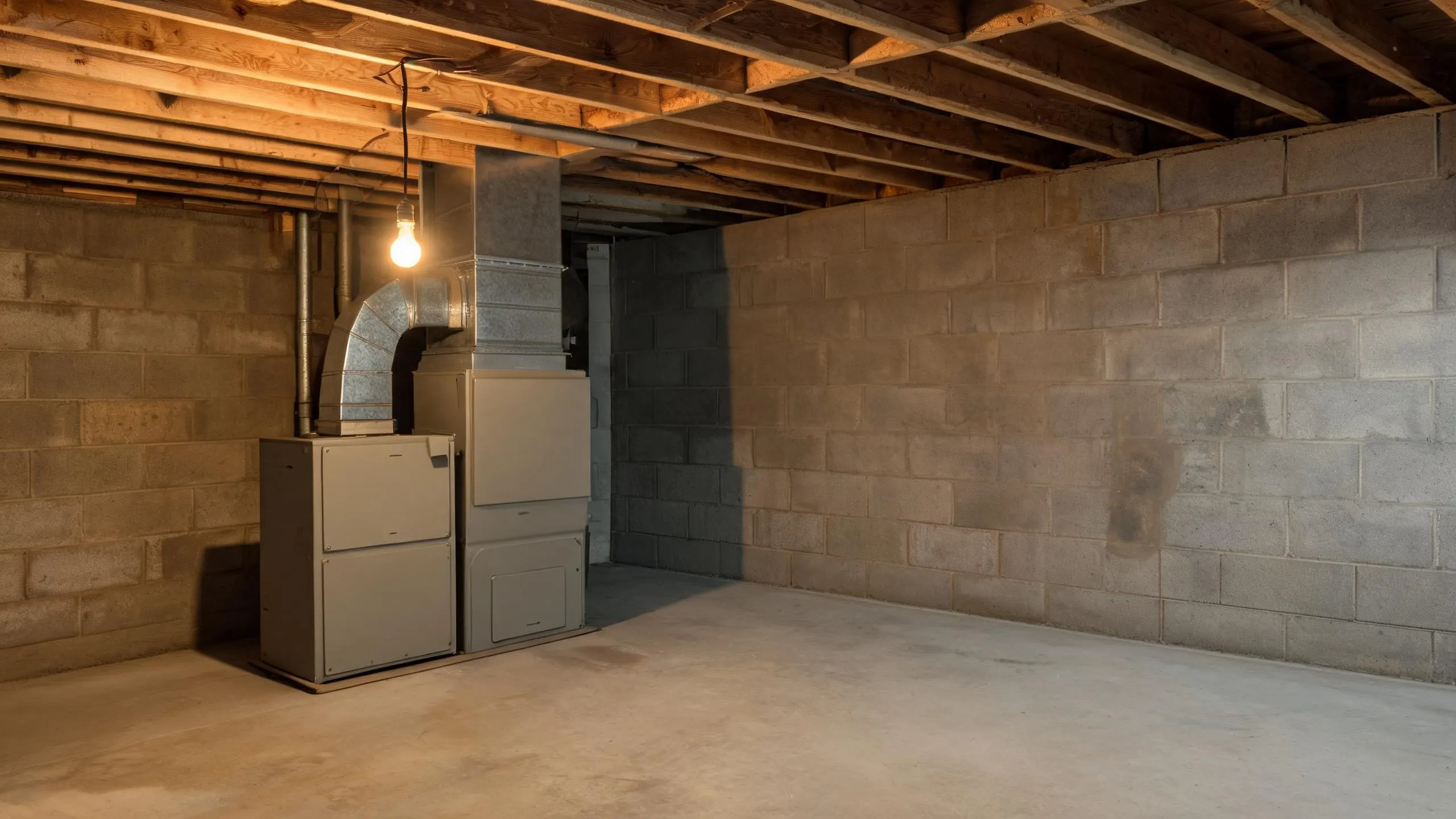
Beatrice needs its furnace running from October through May. That's eight months of the year, with winter nights averaging 18°F. A furnace here isn't a seasonal appliance. It has to hold up night after night through a long, cold stretch, not just take the edge off a few weeks of chill.
Nebraska also sees its share of severe weather. Over the past ten years, Gage County has been hit by 11 winter storms and 77 damaging wind events, and in 2024, a quarter of households in the state went at least 24 hours without power. Any new furnace installed here has to meet the federal minimum of 80 percent AFUE. With winters this long and outages a real possibility, what you install matters as much as the rule it has to meet.
- 8 months
- October through May, your furnace is on duty
- 18°F
- the average winter night it heats against
- 80% AFUE
- the federal minimum any new unit must meet
NOAA nClimDiv, 1991–2020 normals

A high-efficiency gas furnace would save about $80 a year to run in Gage County compared with a gas furnace.
Estimates for a typical Gage County home, from EIA household energy data, Nebraska fuel prices and NOAA climate normals. Your home will differ.
Nebraska requires contractors to register with the state.
Registration puts the business on file with the Department of Labor. Nobody tests the contractor's gas or furnace work to get that number, and nobody checks it again later. It tells you the business exists on paper. It does not tell you who is good at this job.
For a furnace installation, the protection in Gage County comes from the local building office, not the state. In most cities and counties, replacing a furnace needs a permit, and the work gets inspected once it's done. That inspection is what catches a bad gas connection or a flue that was not run right, the part of this job that can actually hurt someone. Just under half the homes in Gage County heat with gas, so that check matters here as much as anywhere.
Source: Nebraska Legislature
- What size furnace does my house need?
- The right size comes from a load calculation, not the square footage of your house. A contractor works through your insulation, window count, ceiling height, and duct layout to figure out how much heat your house loses on the coldest night. With winter lows here averaging 18°F, a furnace that runs too small won't keep up, and one that's too big will short cycle and wear out faster. Skip the online size charts. They can't see your walls.
- How do I know it's time to replace my furnace?
- Watch for rising repair calls, uneven heat between rooms, and a furnace that runs longer than it used to just to hold the same temperature. Furnaces installed after November 2015 have to meet 80 percent AFUE at minimum, so if yours is older than that, it's likely burning more gas than a new one would to make the same heat. With heat needed here from October through May, a furnace that's struggling has eight months of hard use ahead of it. If a contractor is telling you a repair is the second or third one this season, that's usually the signal to stop patching it.
- Is a high-efficiency furnace worth it?
- It depends on how long you plan to stay in the house and what your current furnace is costing you in gas. High-efficiency furnaces pull more heat out of the same amount of fuel, which matters most somewhere like this, where the season runs eight months and winter nights sit around 18°F. Nearly half the homes in Gage County heat with gas, so that fuel cost is a real line item for a lot of people here. A contractor can look at your current furnace's age and rating and tell you what the actual gain would be for your house.